Writing
Field notes & essays
Long-form writing on urban forestry, ecological restoration, and the policy of trees. Updated when the field work leaves time.
Subscribe via RSS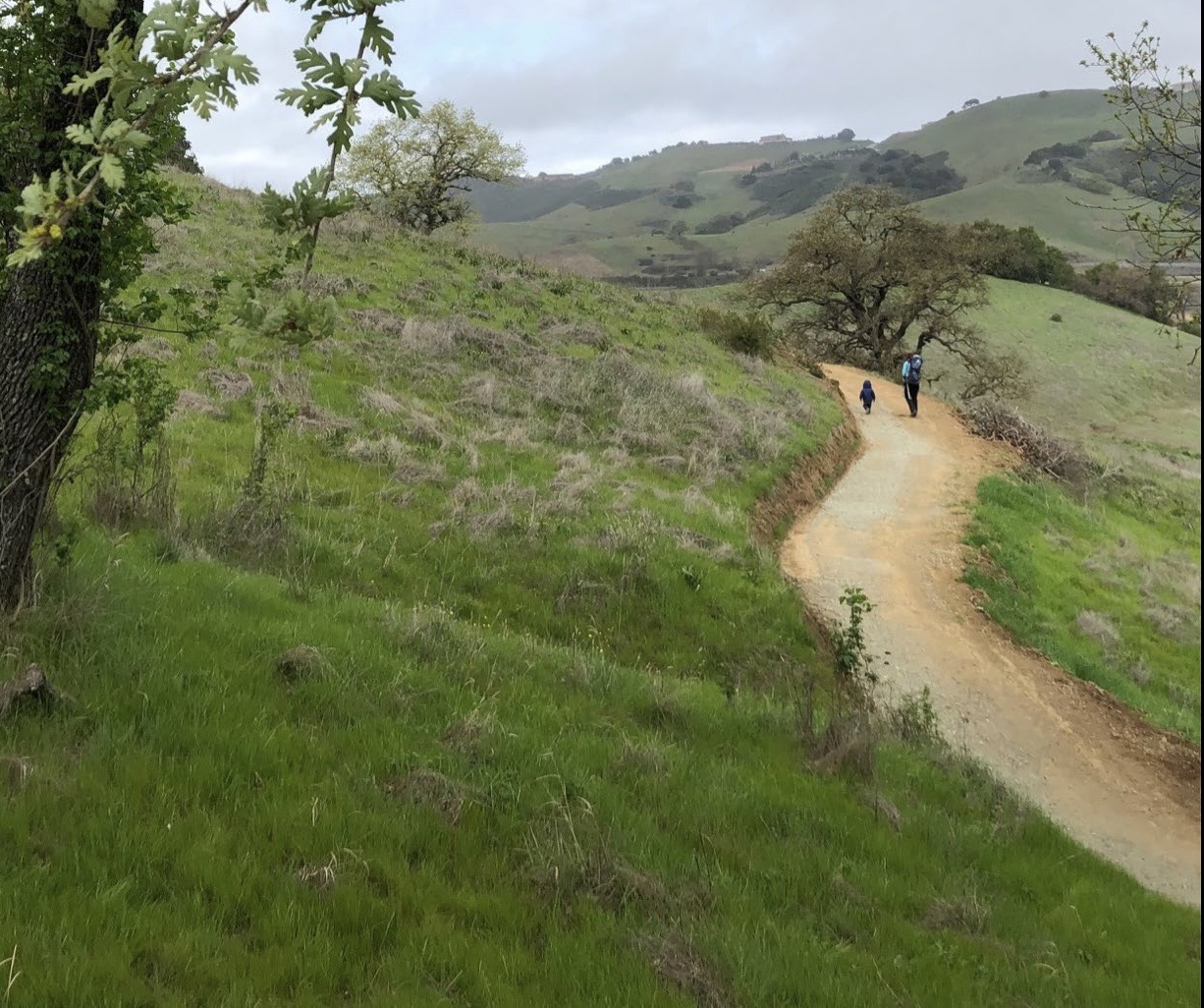 ReadReflection· 4 min read
A New Chapter
After more than a decade of writing this blog, Kyle Peczkowski turns the page from digital essays to in-person facilitation, community dialogue, and two forthcoming books.
 ReadUrban Forestry· 8 min read
Planting Capital Expressway: Notes from a Former Street Median Supervisor on What Works and What Doesn’t
A former Water Conservation Horticultural Supervisor reflects on arterial planting lessons learned from six years managing street median renovation projects for the City and County of Denver and how those best management practices continue to inform urban forestry work with the County of Santa Clara.
 ReadUrban Forestry· 14 min read
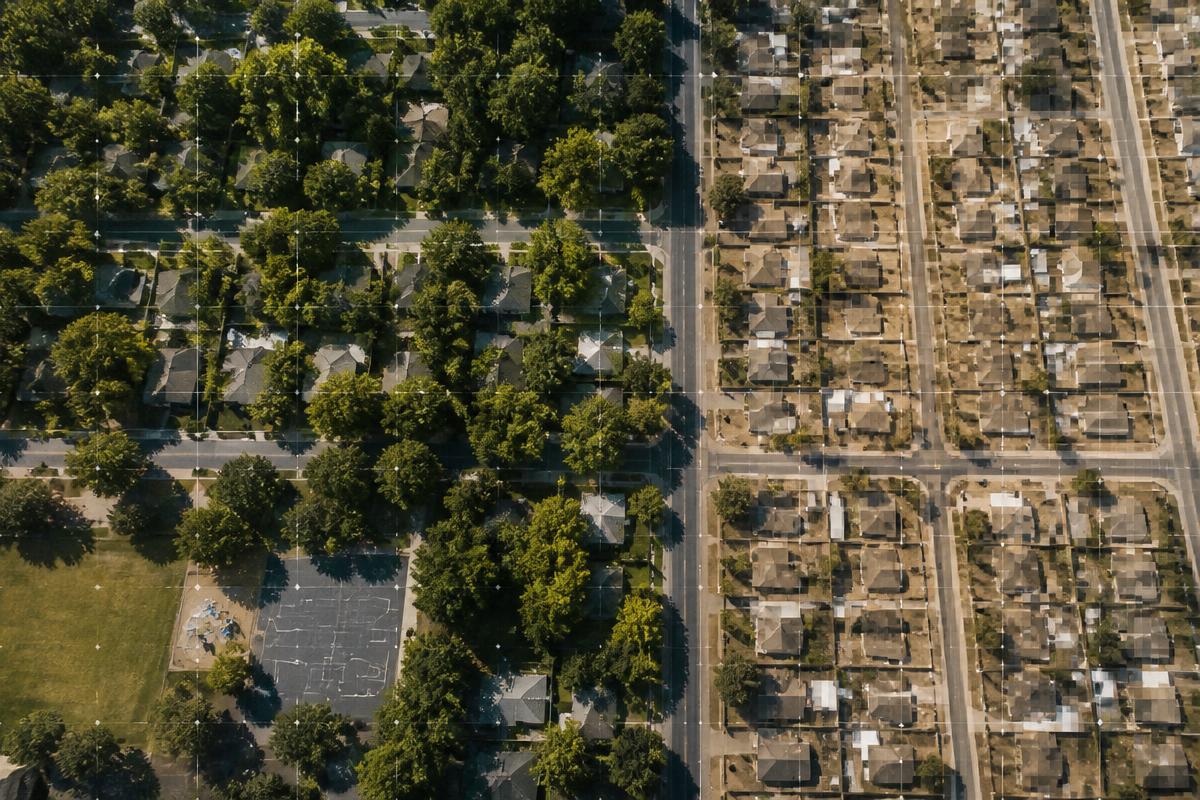
Measuring the Canopy That Matters
A functional framework for evaluating urban forest performance, community benefits, and long-term resilience. Percent canopy cover is a start, but it is not the final measure of success.
 ReadForest Pests· 7 min read
The Shot Hole Borer Challenge: Why Community Action Matters
The invasive shot hole borer is a community challenge. Drawing on lessons from Denver's "Be A Smart Ash" campaign, public awareness and early reporting can slow the pest before the damage becomes irreversible.
 ReadCommunity Forestry· 6 min read
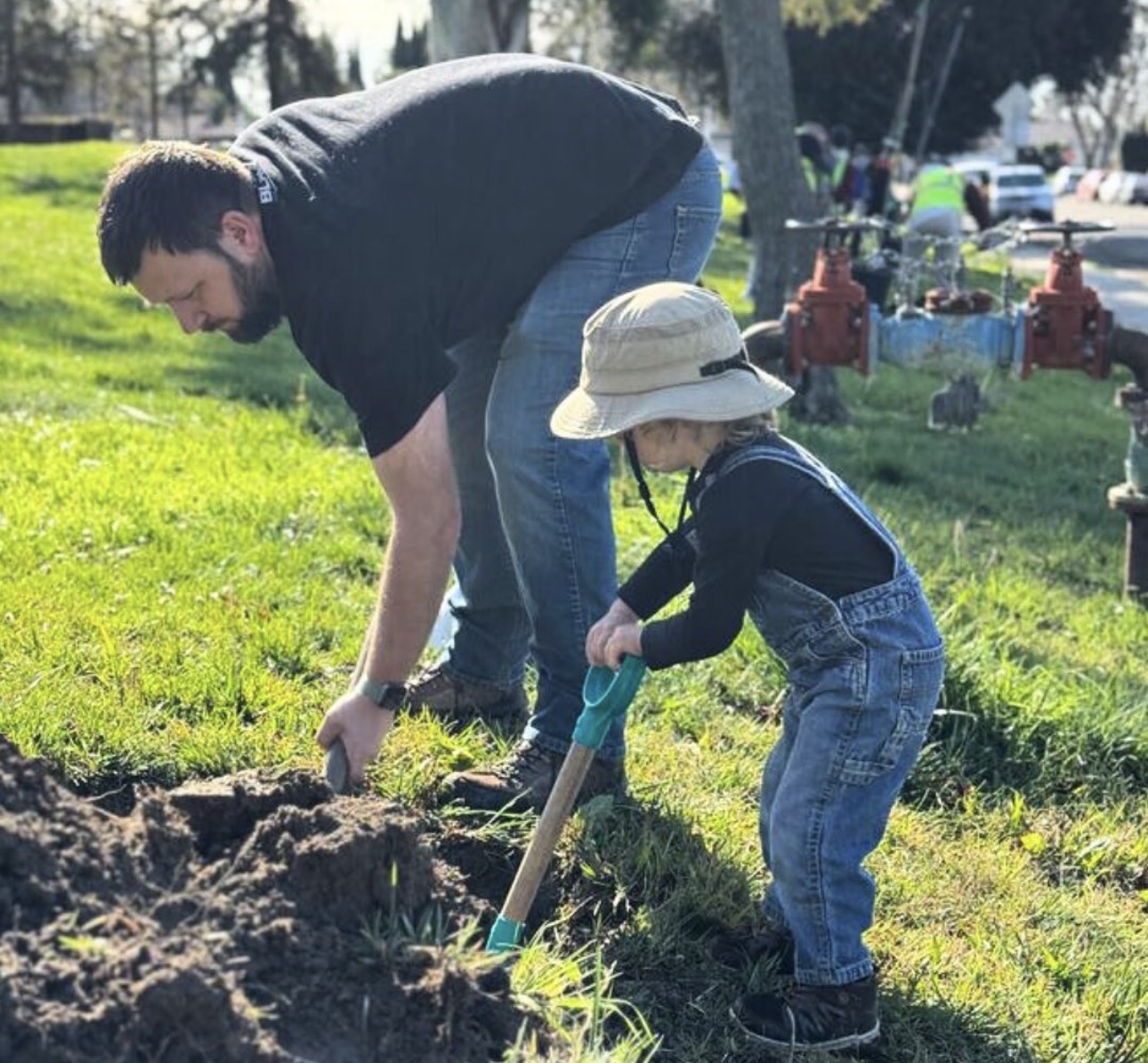
Planting Trees Where Children Learn: Growing Community in the Unincorporated Areas of Santa Clara County
School campuses in the unincorporated areas of Santa Clara County represent some of the greatest opportunities to expand the urban tree canopy, create healthier learning environments, and strengthen connections between children, families, and the land around them.
 ReadCommunity Forestry· 6 min read
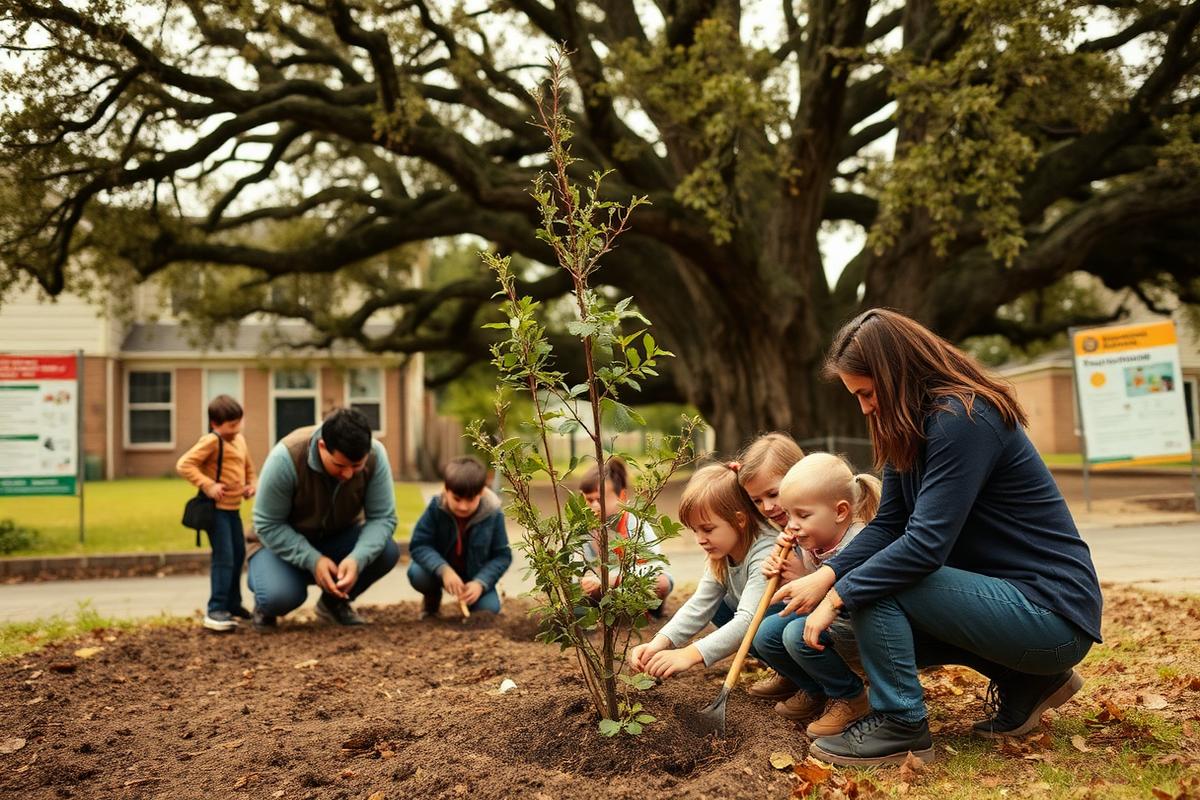
Community Forestry Has Been Educating Our Residents Since 1994. What's Missing?
Three decades of tree planting events have built goodwill. They have not, on their own, built a constituency that understands what trees actually need.
 ReadUrban Forestry· 6 min read
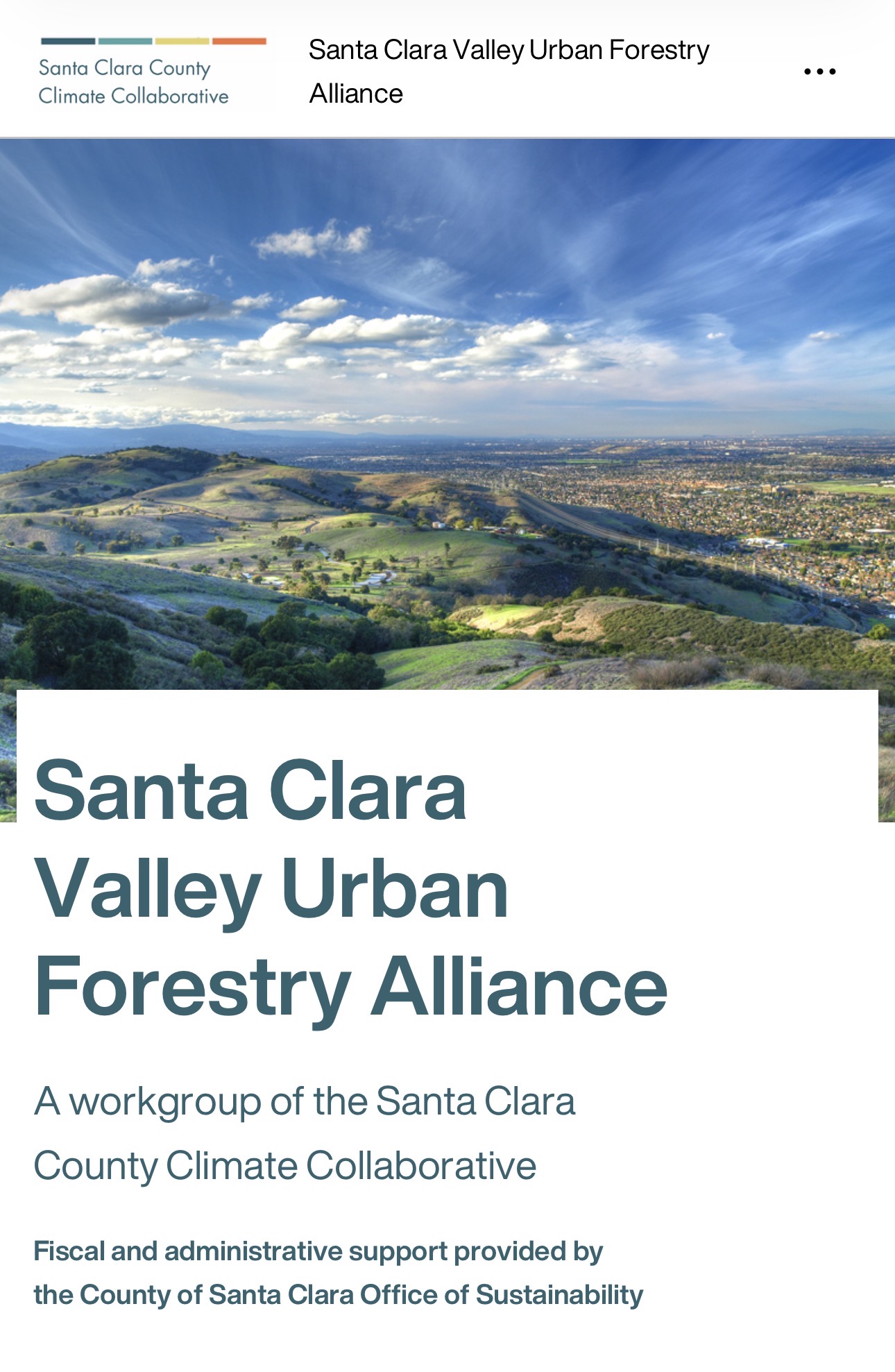
SCVUFA and the Future of Urban Forestry in the South Bay
The Santa Clara Valley Urban Forestry Alliance has become the region's most practical forum for city arborists, consultants, and advocates to align on canopy goals, funding, and workforce.
 ReadUrban Forestry· 3 min read
I Call Myself the Lorax of Santa Clara County
I call myself the Lorax of Santa Clara County. But one Lorax can only do so much.
 ReadPolicy· 7 min read
The Forest That Doesn't Know City Limits
A ridgeline of oak woodland does not stop where a jurisdiction does. Everything hard about urban forestry in California follows from that one fact — and every real solution requires more than one agency to admit it.
 ReadUrban Forestry· 7 min read
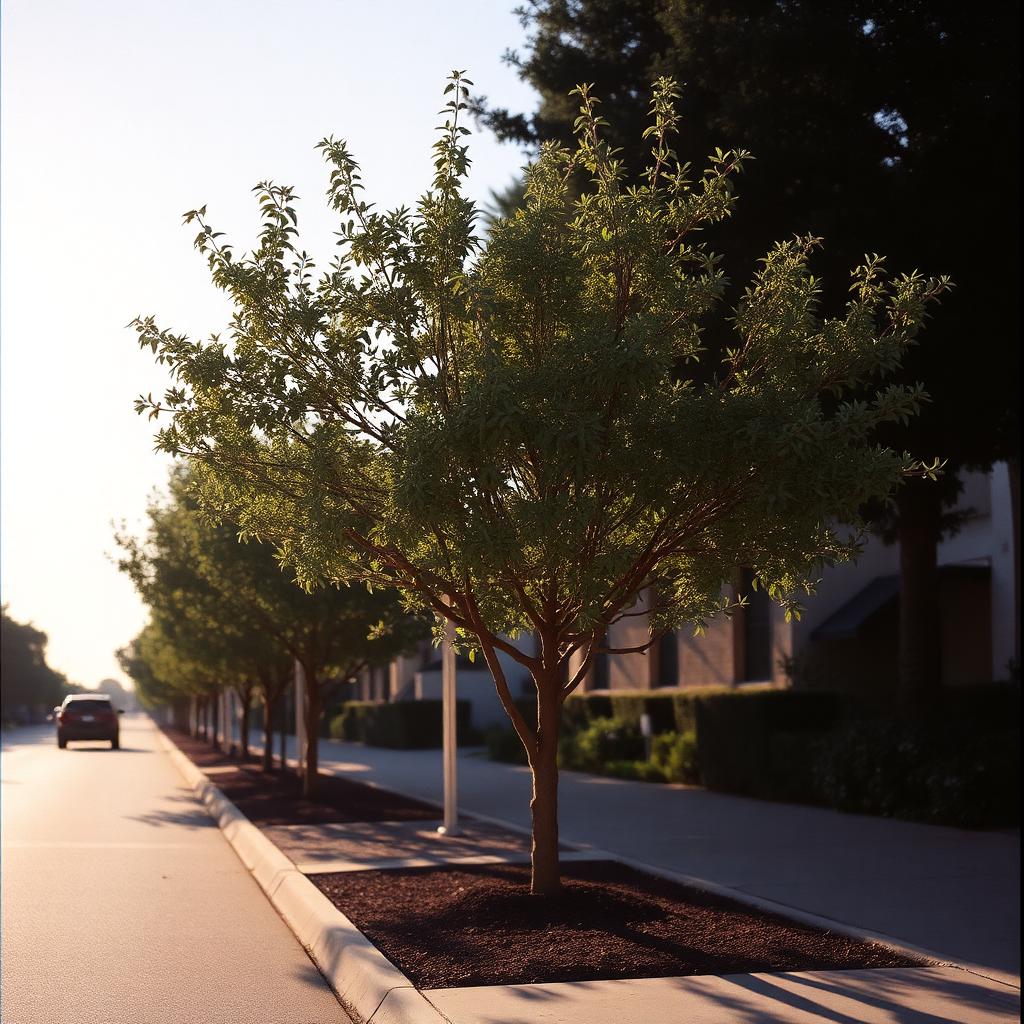
On Species Selection in a Warming Climate
The palette that worked for Santa Clara Valley in 1985 will not work in 2050. Choosing tomorrow's street trees means letting go of some old favorites.
 ReadUrban Forestry· 4 min read
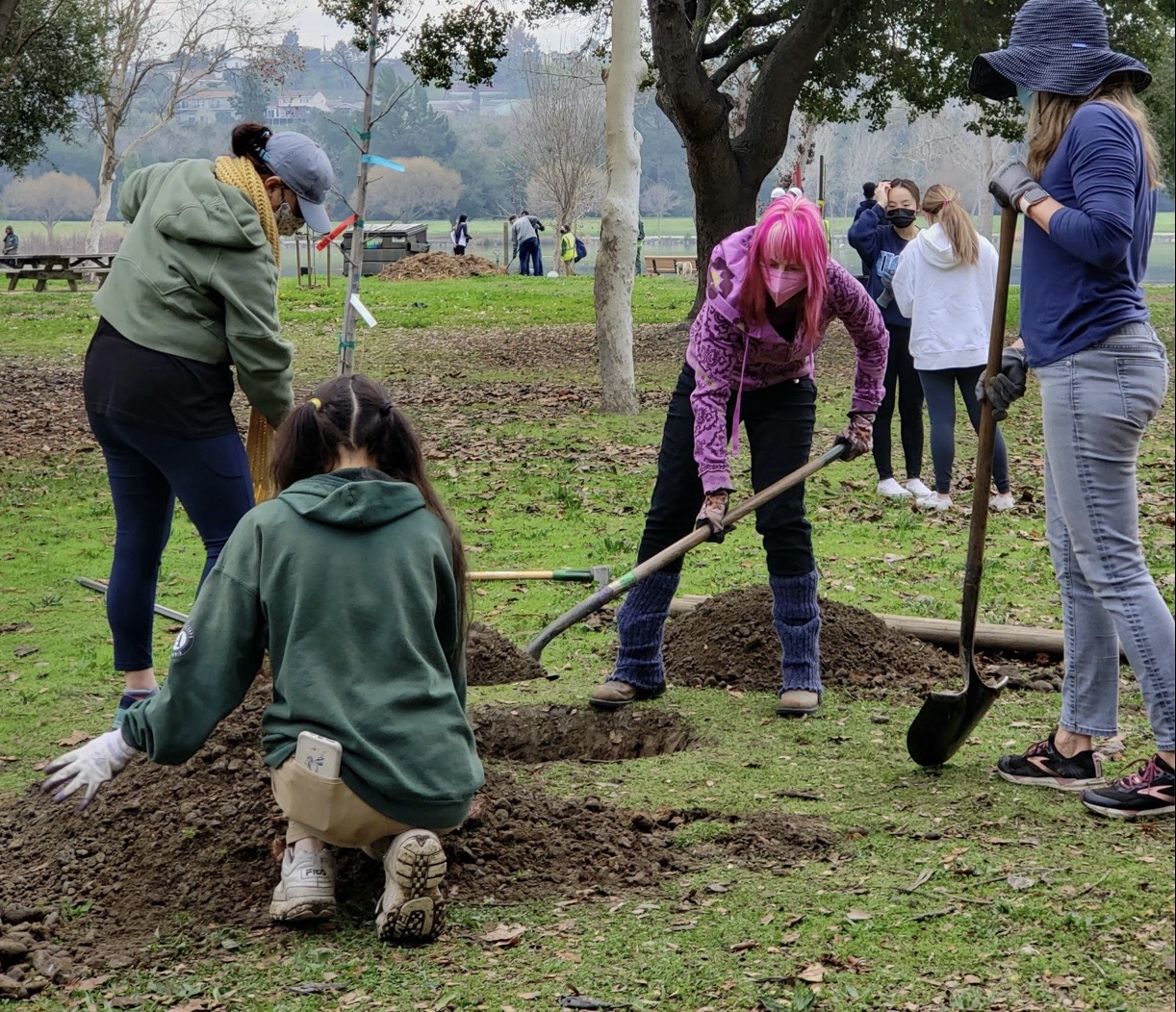
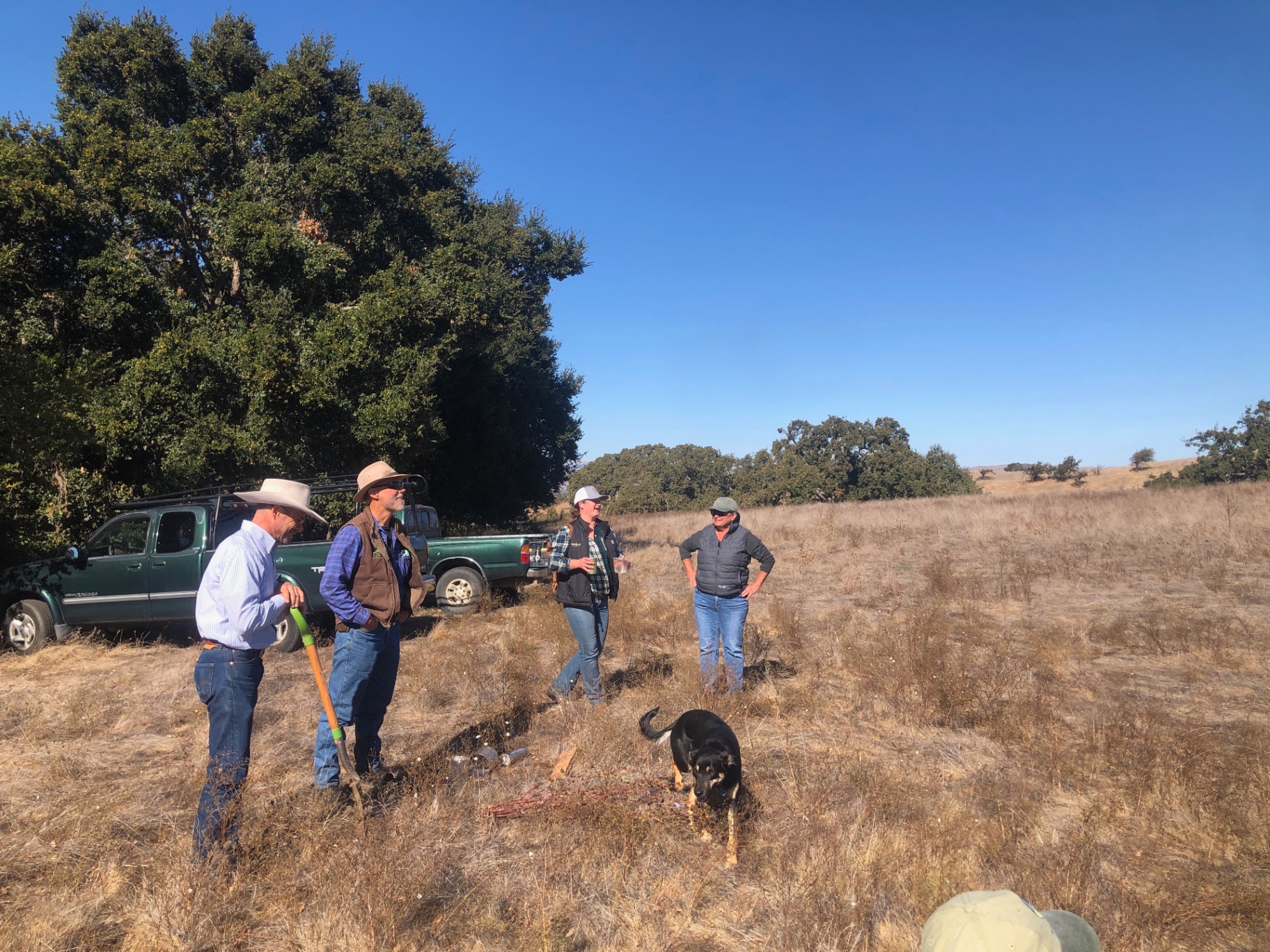
Tree Planting Events: When Virtue Signaling Replaces Urban Forestry
Planting a tree is not the goal. Growing that tree into a healthy, mature part of the urban canopy is the goal.
 ReadForest Pests· 7 min read
Integrated Pest Management: A Collaborative Approach
Forest pests do not respect property lines. The IPM Collaborative brings together cities, counties, universities, and utilities to share data, resources, and strategies before outbreaks become epidemics.
 ReadPractice· 8 min read
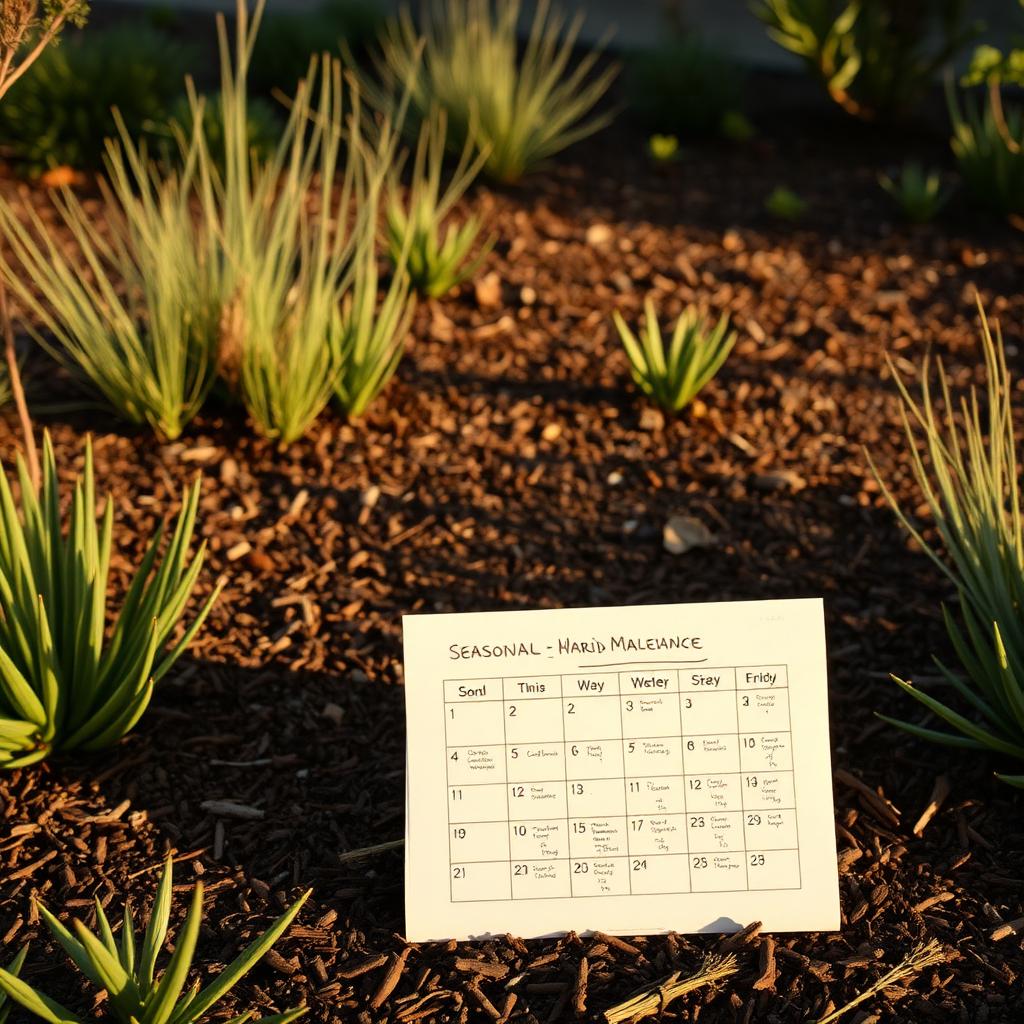
Sustainable Landscapes: A California Calendar
A month-by-month working calendar for maintaining a low-water, low-input California landscape — the version I give to homeowners, HOAs, and public grounds crews.
 ReadLand Stewardship· 8 min read
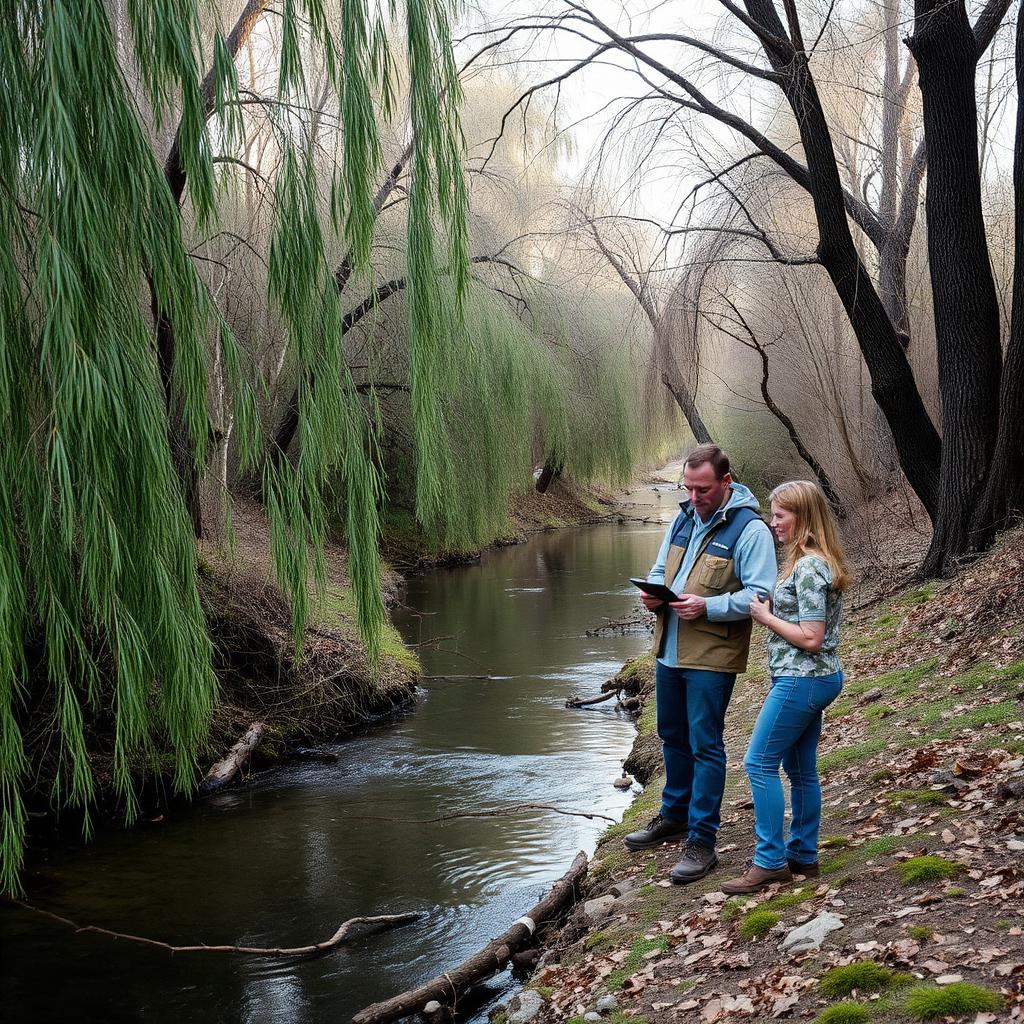
A Memo to Valley Water: Three Places County INRM and Water Districts Can Work as One
Valley Water and the County's Integrated Natural Resources Management program manage the same creeks, the same pests, and the same regulatory thresholds. The case for formal collaboration is practical, not political.
 ReadIntegrated Pest Management· 6 min read
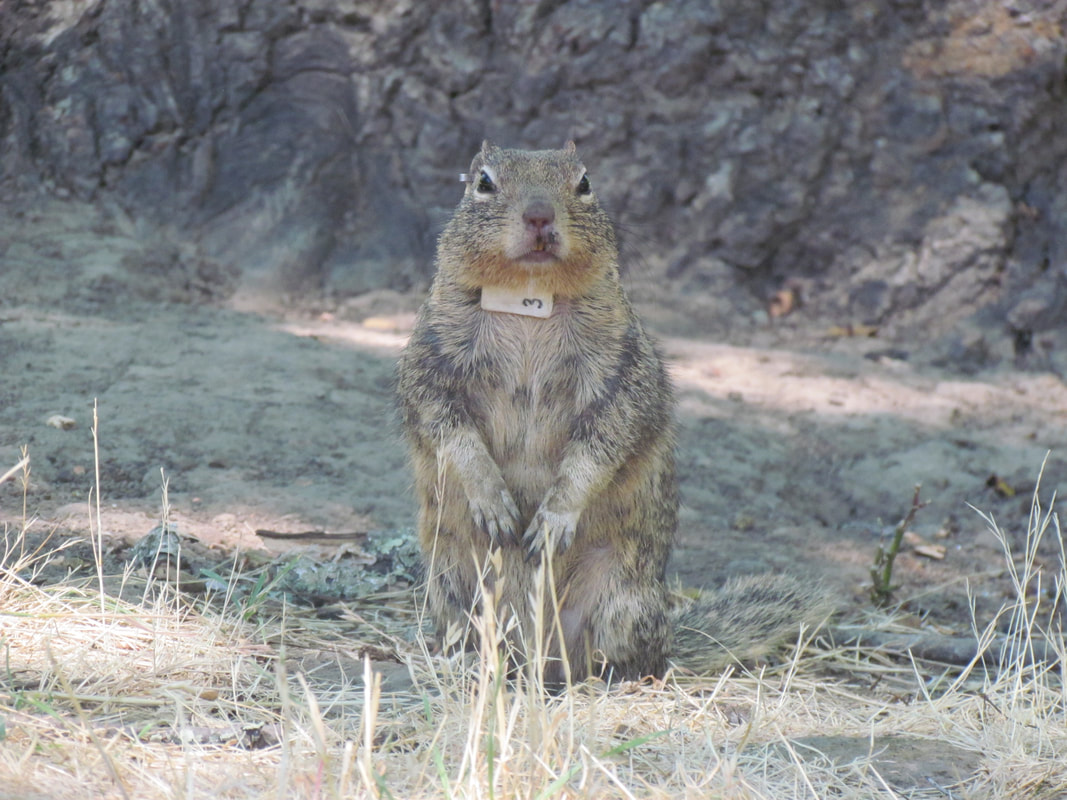
Ground Squirrel Management Requires Stewardship, Not Collateral Damage
After more than 22 years in natural resource management, a reflection on why ground squirrel control must be proportional, science-based, and measured against the health of the ecosystems we are trying to protect.
 ReadWater & Carbon· 8 min read
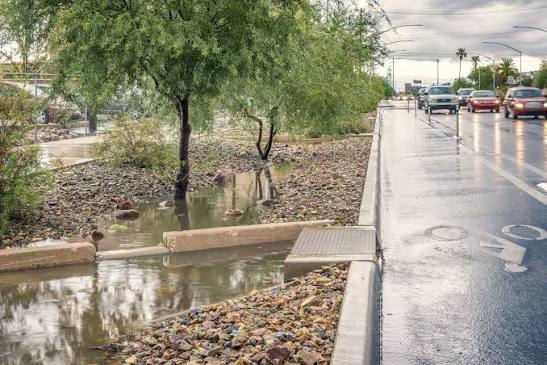
Tucson: A Case Study for Valley Water and Neighbor-Based Carbon Sequestration Pilot Projects
Tucson shows how a water utility can turn neighborhood-scale green infrastructure into a measurable carbon and flood-resilience program. Santa Clara Valley Water should take note.
 ReadPolicy· 7 min read
Better Specs, Better Stewardship: What Public Contract Renewals Get Wrong About Trees and Landscapes
Most public servants treat contract renewals as paperwork. In natural resource management, the specifications we renew are the instructions that shape the next five years of public land. We need to write them like it.
 ReadUrban Forestry· 4 min read
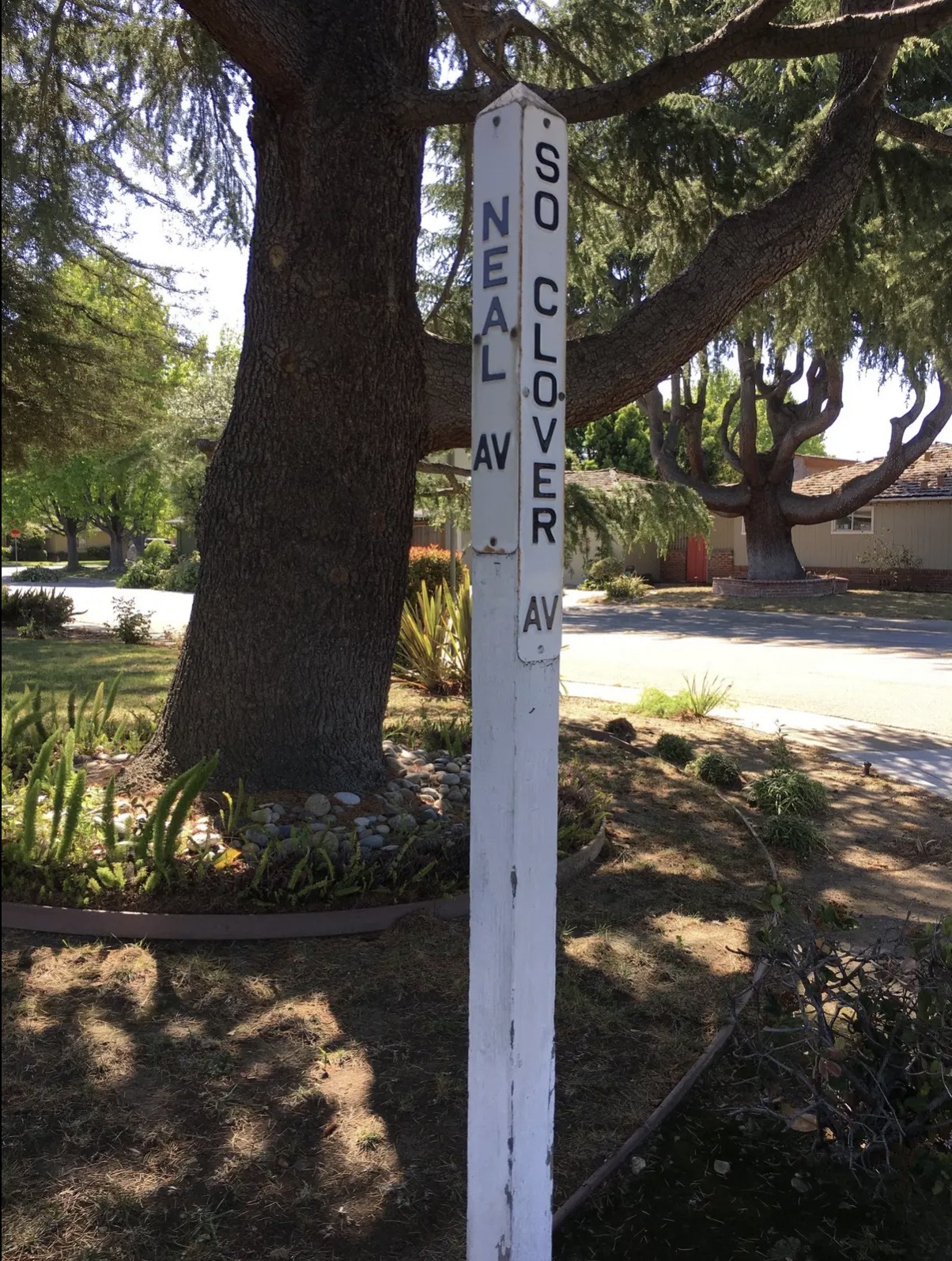
Solutions for Forestry Services in Unincorporated Santa Clara County
Unincorporated Santa Clara County contains two distinct landscapes—rural wildland communities and urban island neighborhoods—each requiring its own forestry strategy.
 ReadUrban Forestry· 9 min read
Beyond Grass: Reinventing the Field of Play
Grass or synthetic turf? After years of debate, a better question emerges: what if California designed play surfaces for its actual climate, its children, and its future?
 ReadFood Systems· 8 min read
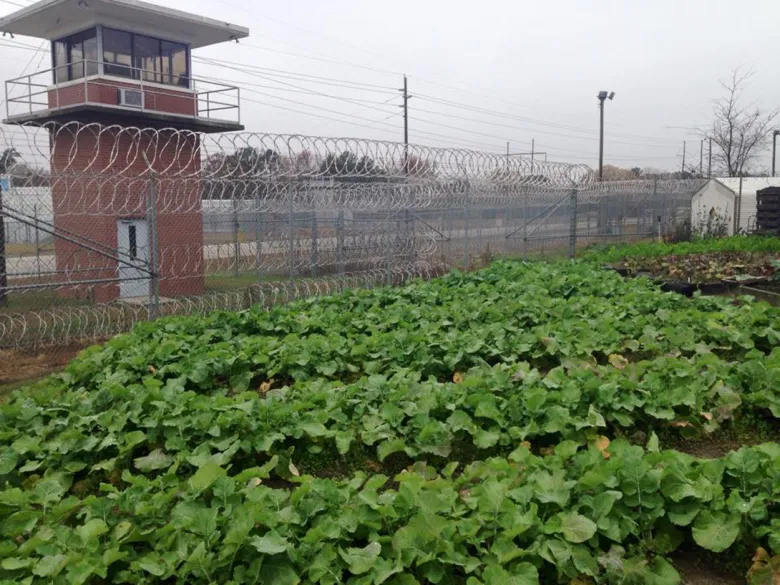
Correctional Facilities as Food System and Tree Nursery Hubs
Jails and prisons sit on thousands of acres of underused land. With the right partnerships, they could grow food, raise native trees, and train a workforce for the green economy.
 ReadUrban Forestry· 7 min read
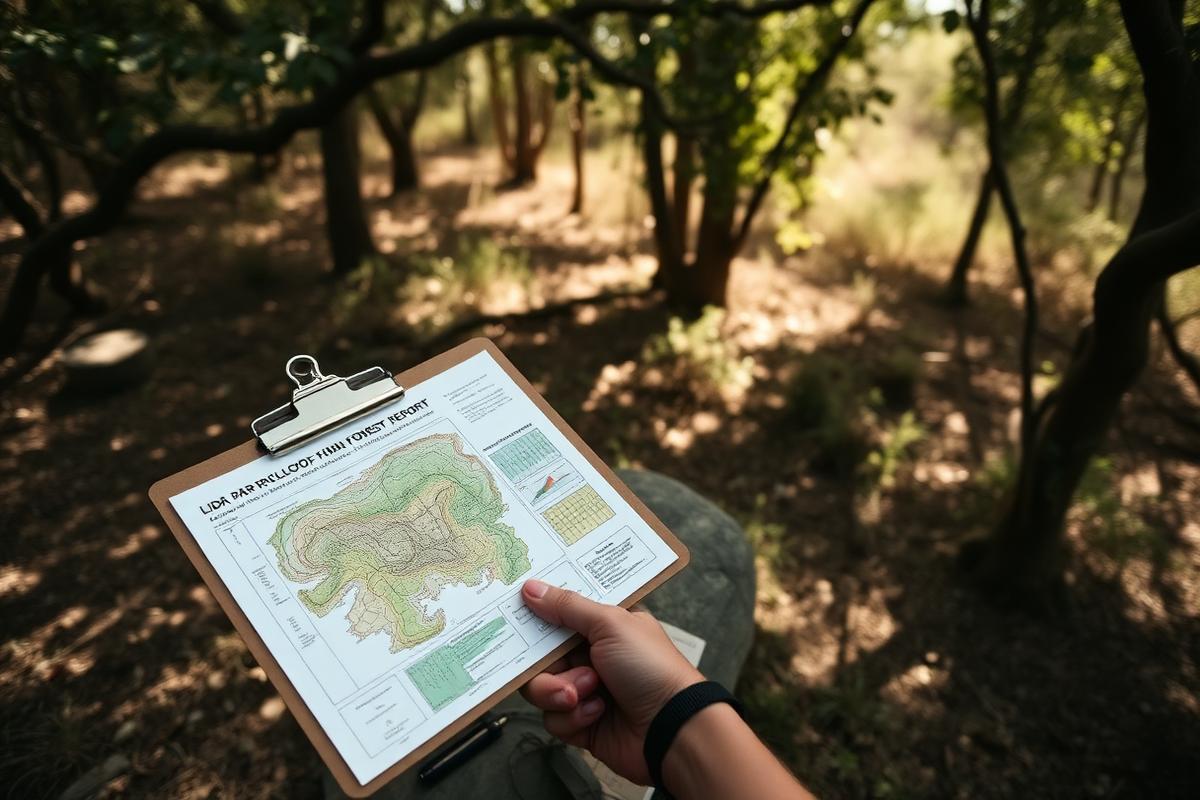
Grants Should Pay for Forest Health Reports and LiDAR, Not Just Tree Planting
Climate funding keeps paying for trees in the ground, but most agencies still lack the basic forest health data they need to spend that money wisely.
 ReadPolicy· 7 min read
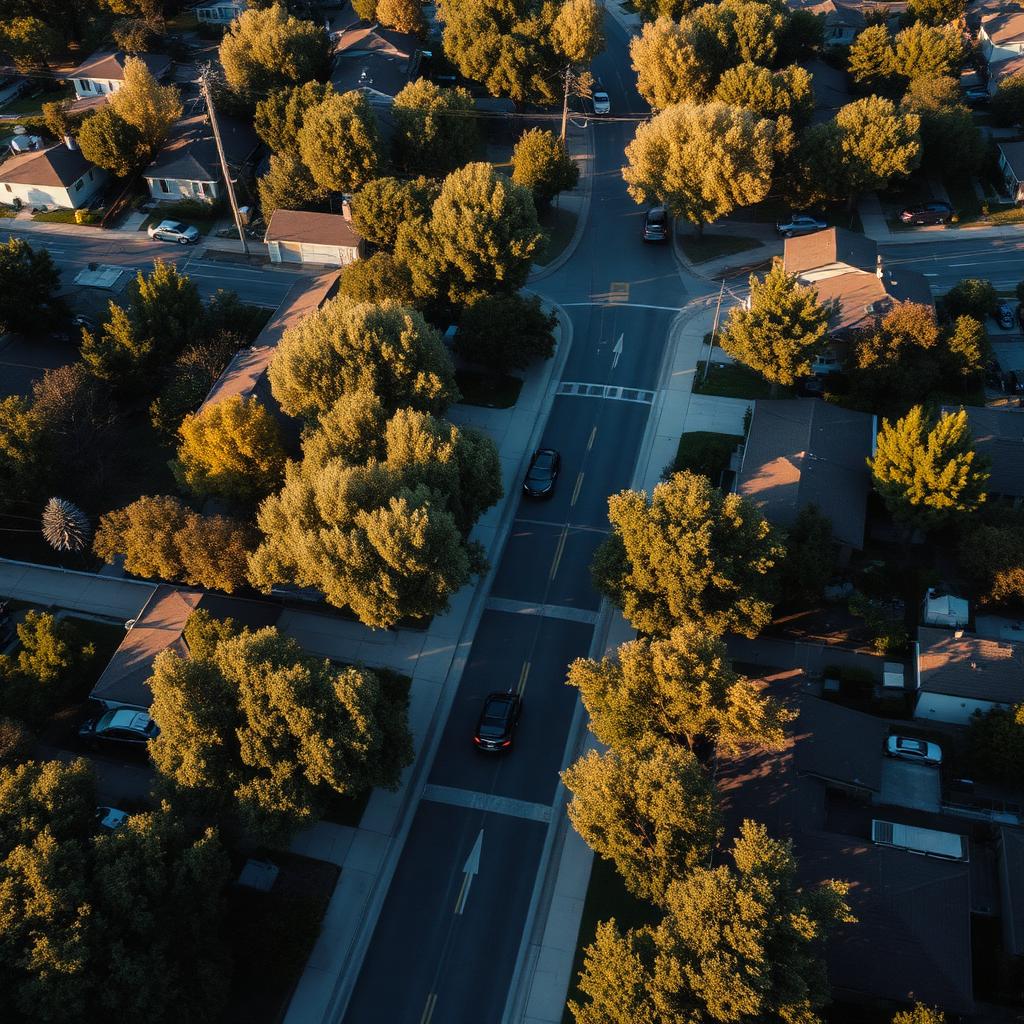
The Cost of a Canopy Goal
Every jurisdiction in the region has announced a canopy target. Almost none of them have paired the target with a real budget. Here is what the numbers actually look like.
 ReadFire & Fuels· 8 min read
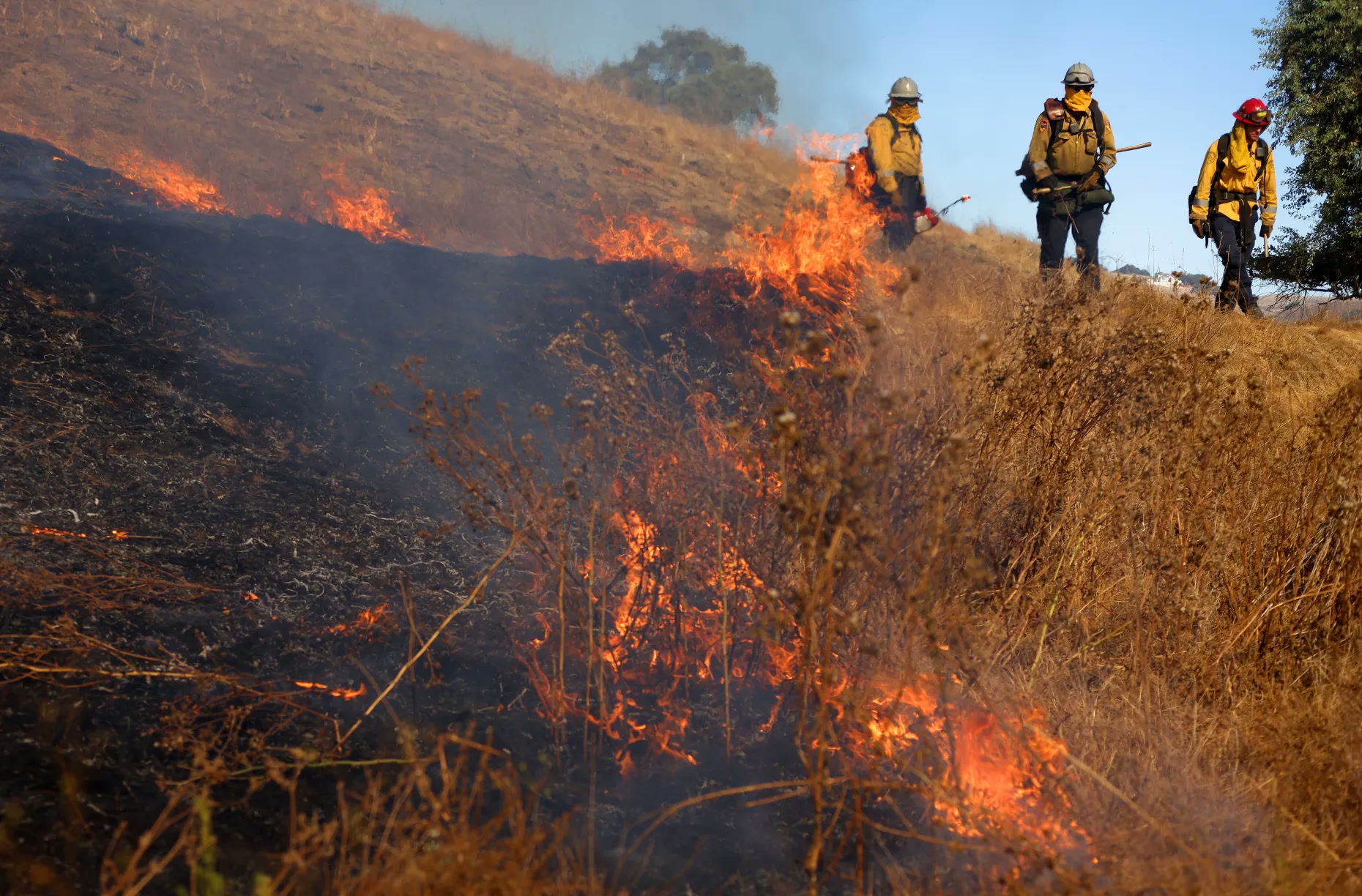
The Coordination Behind a Good Burn
A successful prescribed fire is 90% logistics and 10% flame. Here is what it takes to align air quality, fire agencies, land managers, and neighbors before the first drip torch is lit.
 ReadCommunity Forestry· 6 min read
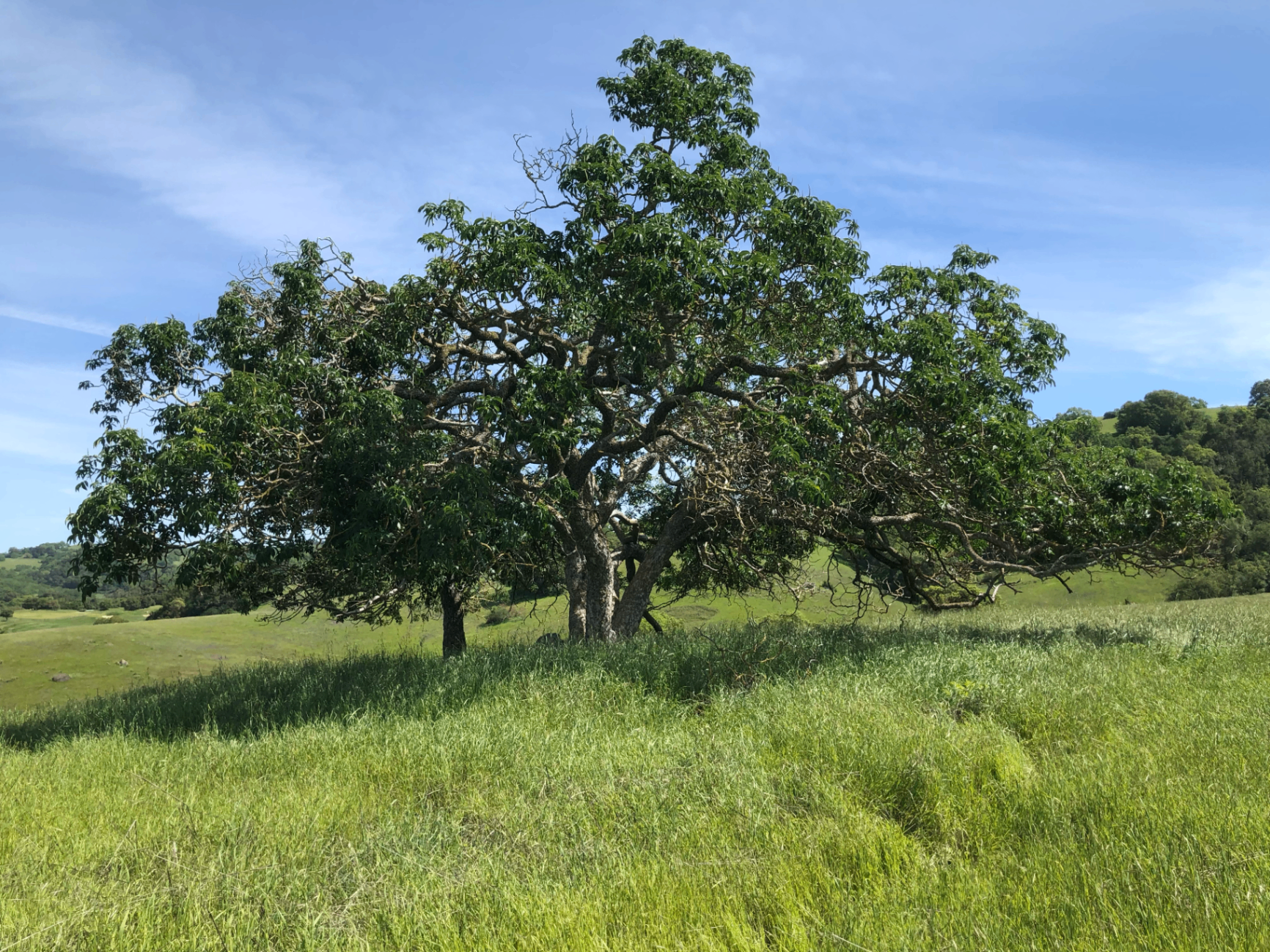
Working With an Anthropologist Takes the Project Full Circle
Natural resource projects often fail because they ignore the people who already know the land. Bringing an anthropologist onto the team changed how we listen.
 ReadEducation· 7 min read
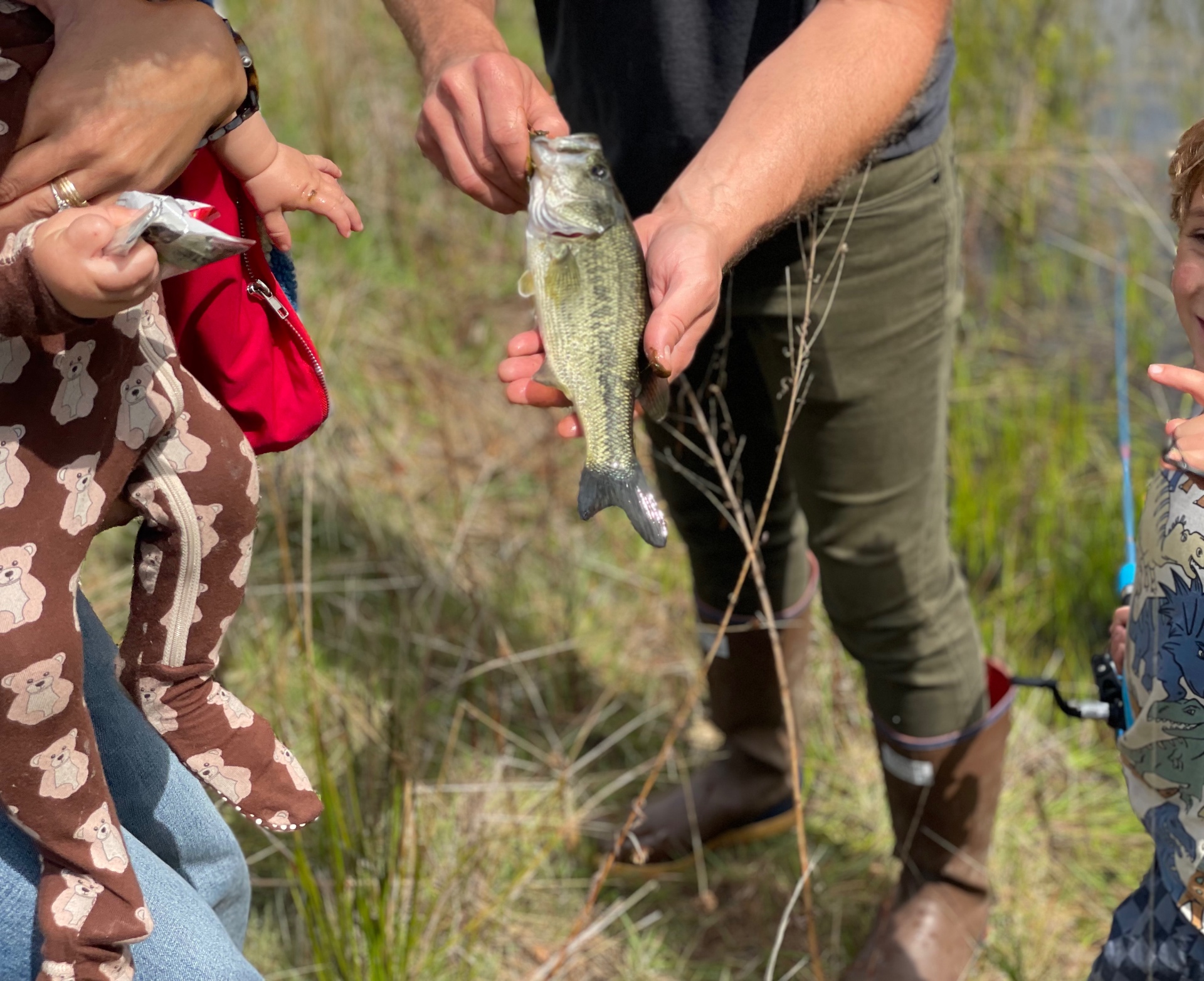
My Experience as a Santa Clara County Parks Teacher Training Instructor: The Classroom Aquarium Education Program
Serving as a teacher training instructor with Santa Clara County Parks has shown me how hands-on environmental education can connect students, teachers, and families to watersheds, conservation, and the living systems that sustain us.
 ReadLand Stewardship· 7 min read
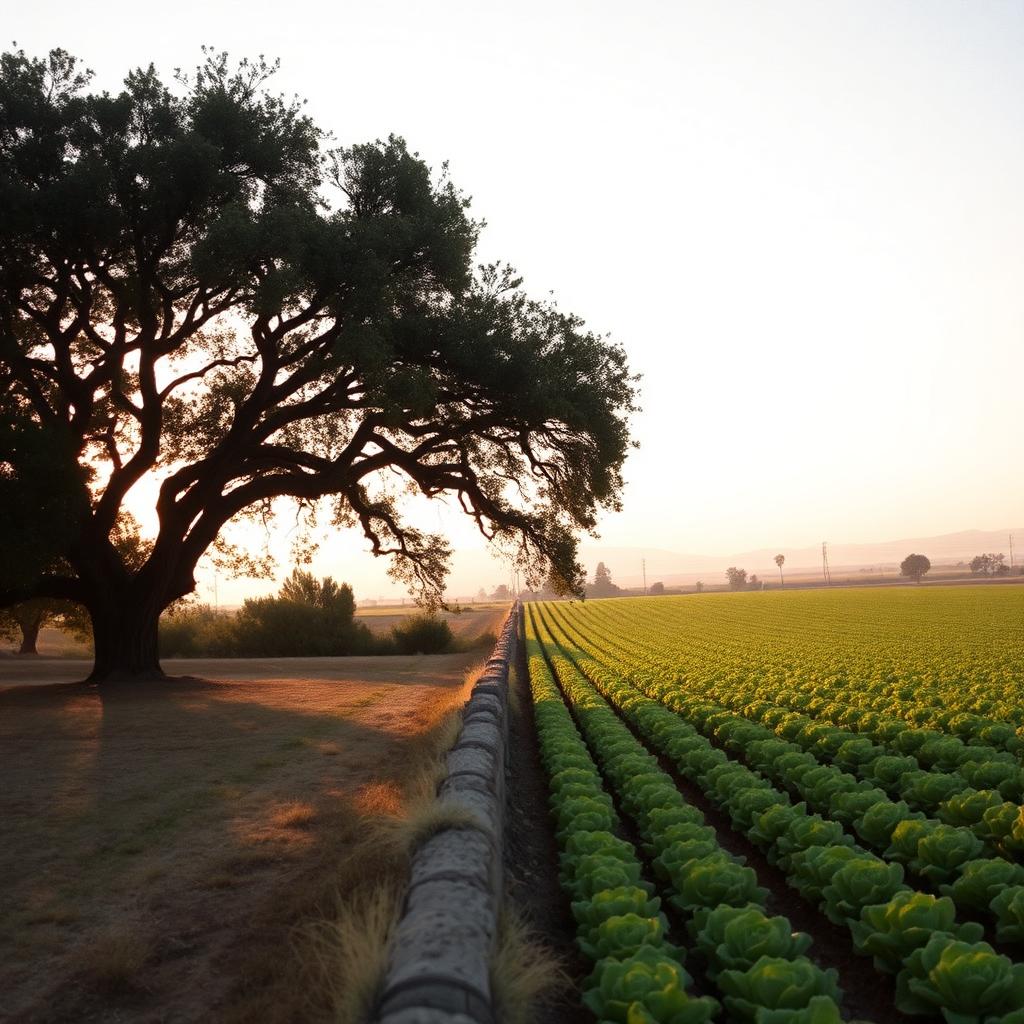
Connecting County Parks to the Salad Bowl of the Country
The oak savannas of Santa Clara County's regional parks share a fence line with one of the most productive agricultural landscapes on Earth. The two systems have been managed as if they were strangers. They shouldn't be.
 ReadFire & Forest Health· 7 min read
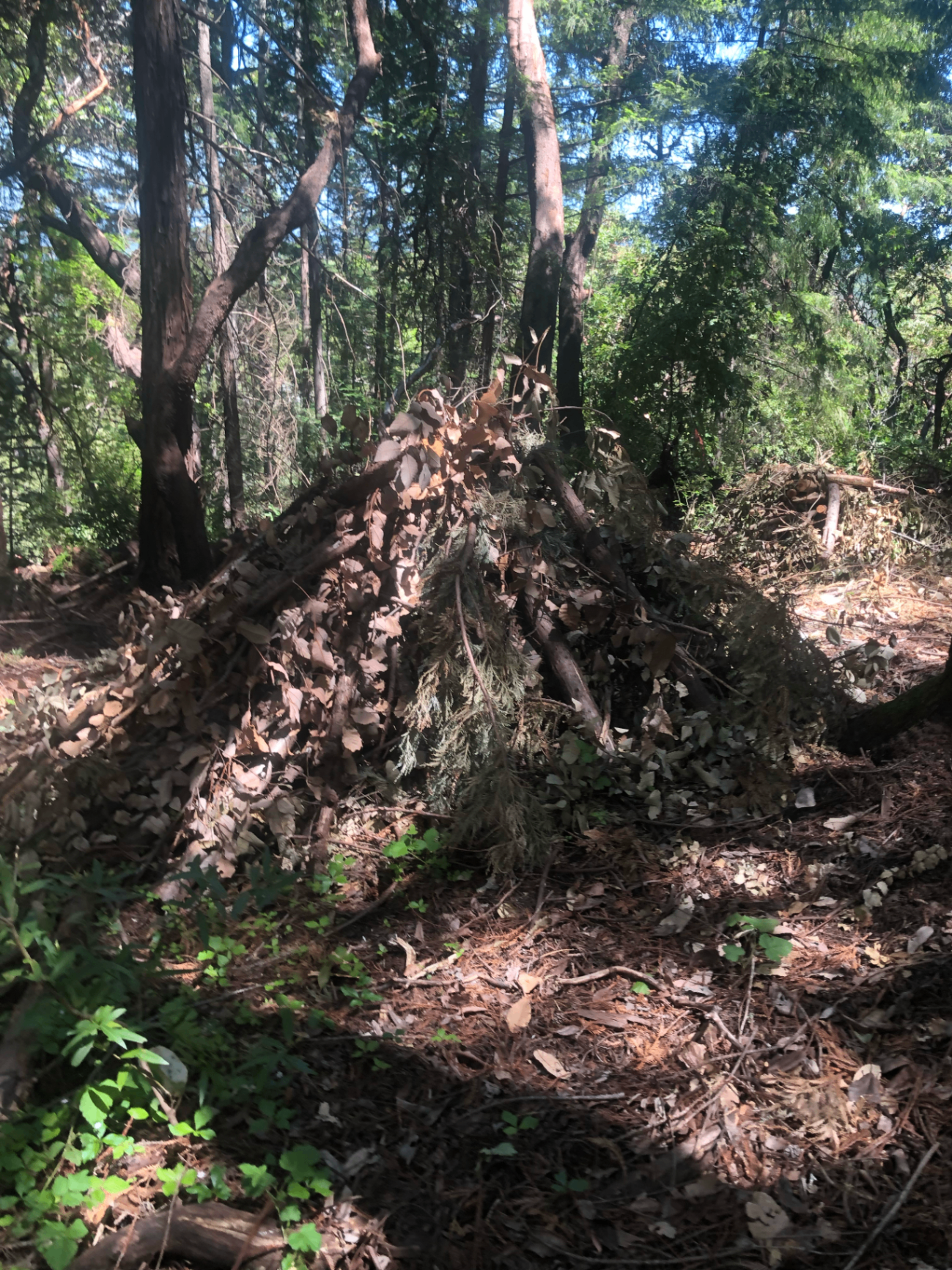
Shaded Fuel Breaks: What's Working?
Shaded fuel breaks are not clearcuts in disguise. The ones that work reduce fire intensity while keeping the canopy, the soil, and the wildlife habitat intact.
 ReadRestoration· 7 min read
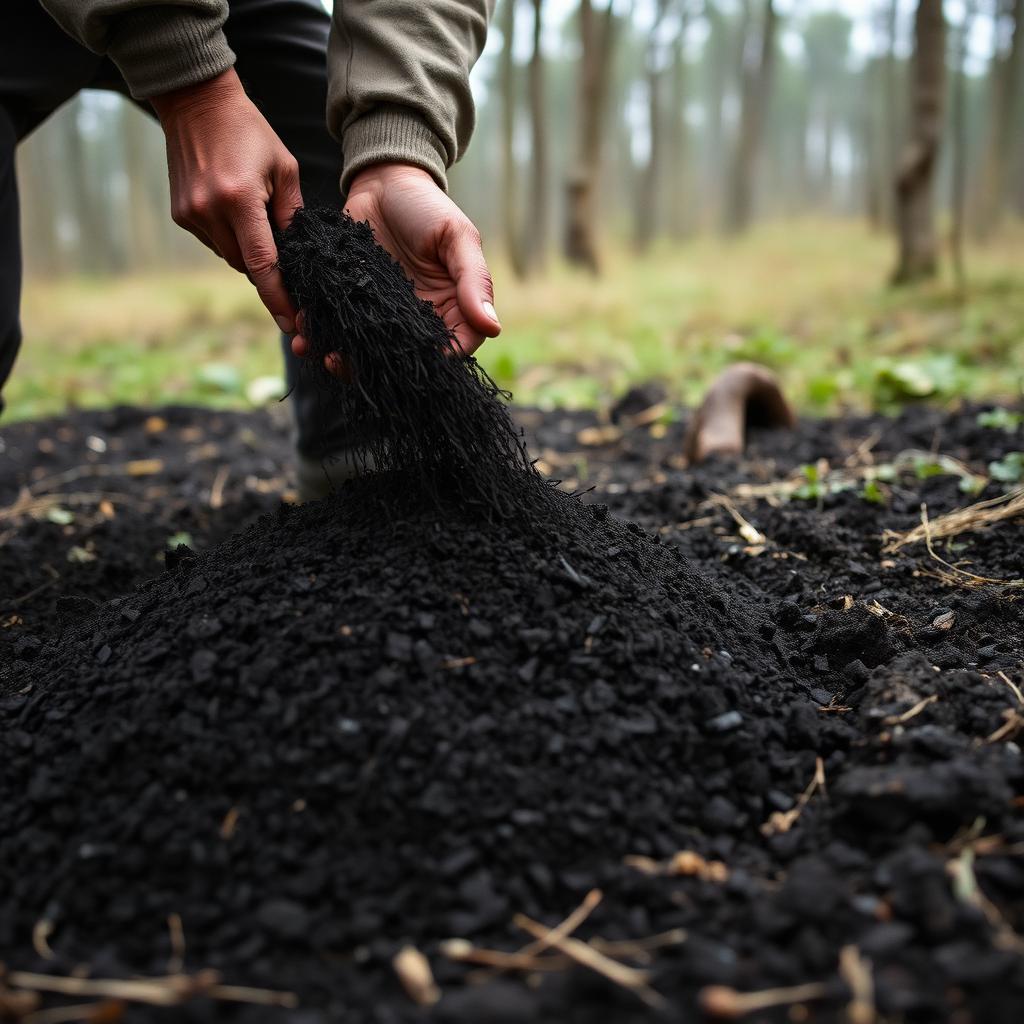
Where Biochar and Ecological Restoration Actually Intersect
Biochar has been sold as a climate silver bullet, a soil amendment miracle, and a carbon-market commodity. In restoration practice, it's something more modest and more useful: a specific tool for a specific set of degraded sites.
 ReadField Notes· 6 min read
Nesting Bird Surveys Deserve Better Than Merlin: The Case for Audubon Volunteers Before Construction
Merlin is a wonderful app and a terrible pre-construction survey. Here is how partnering with local Audubon chapters can deliver real nesting bird surveys — and do right by the birds — before ground breaks.
 ReadRestoration· 8 min read
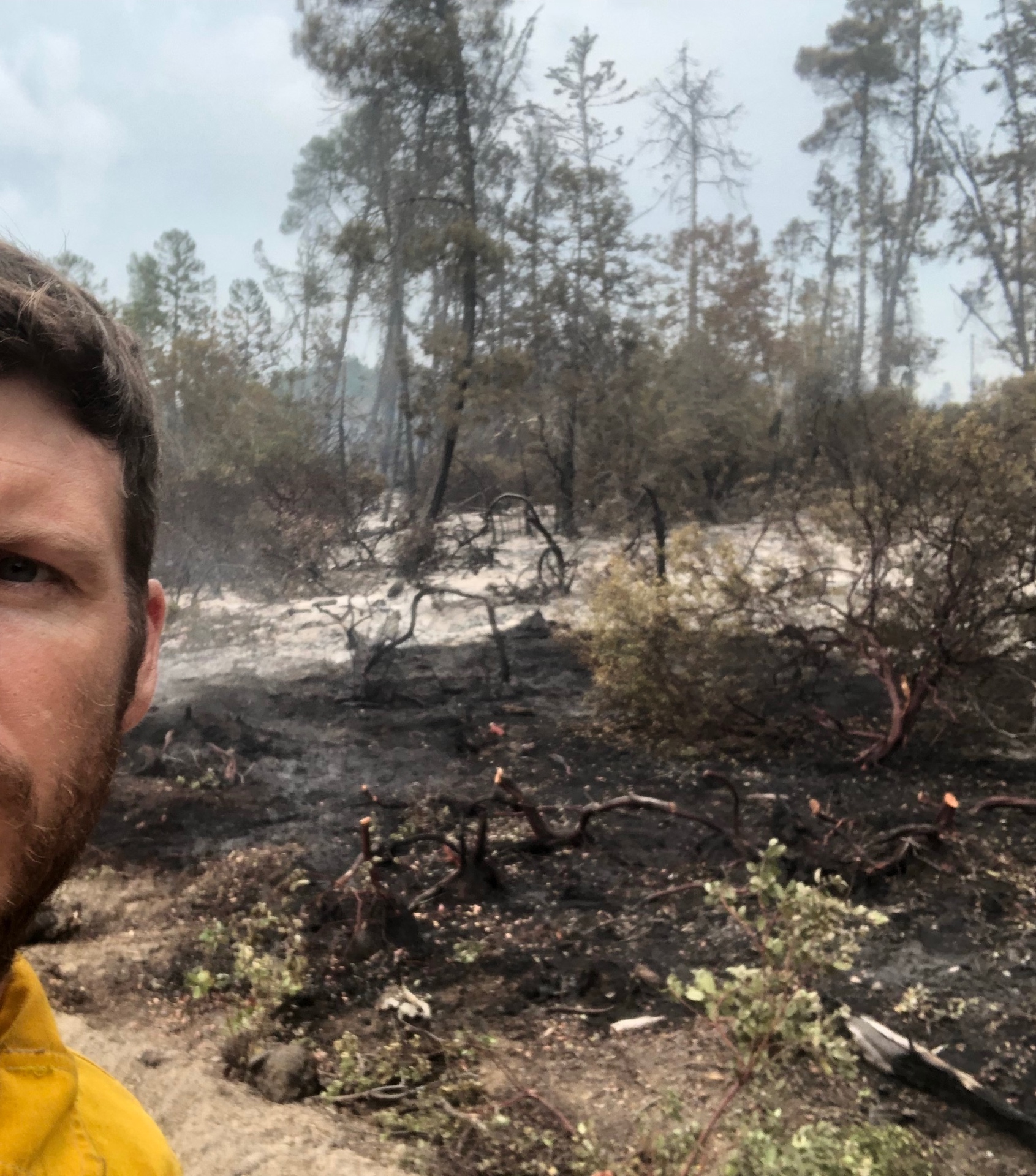
What a Forester Owes a Fire
Three years after the CZU Lightning Complex Fire, the hills above Bonny Doon are beginning to recover. But recovery has not unfolded the way many of us expected.
 ReadIntegrated Pest Management· 6 min read
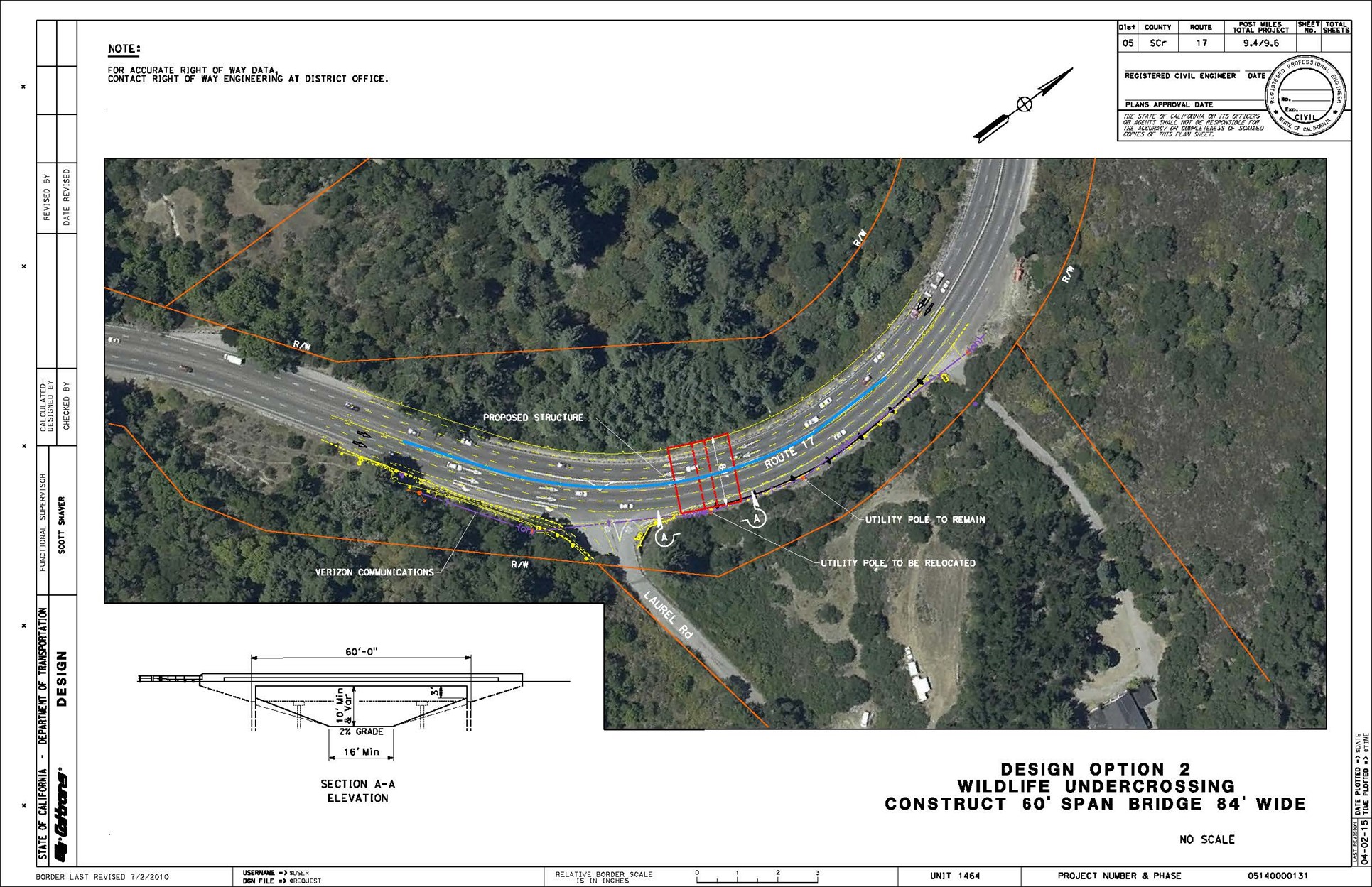
Laurel Curve: Not Just a Wildlife Crossing. It's IPM!
A wildlife crossing is usually framed as a road-safety or habitat-connectivity project. At Laurel Curve, it is also a deliberate pest-management strategy.
 ReadRestoration· 6 min read
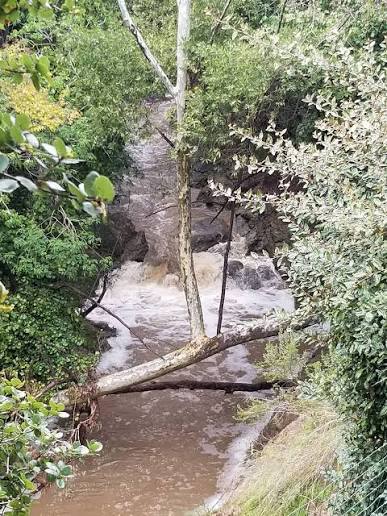
Notes from a Slow Restoration
Five years into a riparian restoration on a small tributary of Coyote Creek, the honest answer is that we do not yet know if it worked.
 ReadLand Stewardship· 12 min read
Restoring Historic Spring Boxes: A Journey Through History, Stewardship, and the Future of Santa Clara County Parks
An opinion editorial on discovery, conservation, and sustainable land management: how a forgotten spring box in a dry landscape became a lesson in history, collaboration, and responsible grazing.
 ReadIntegrated Pest Management· 4 min read
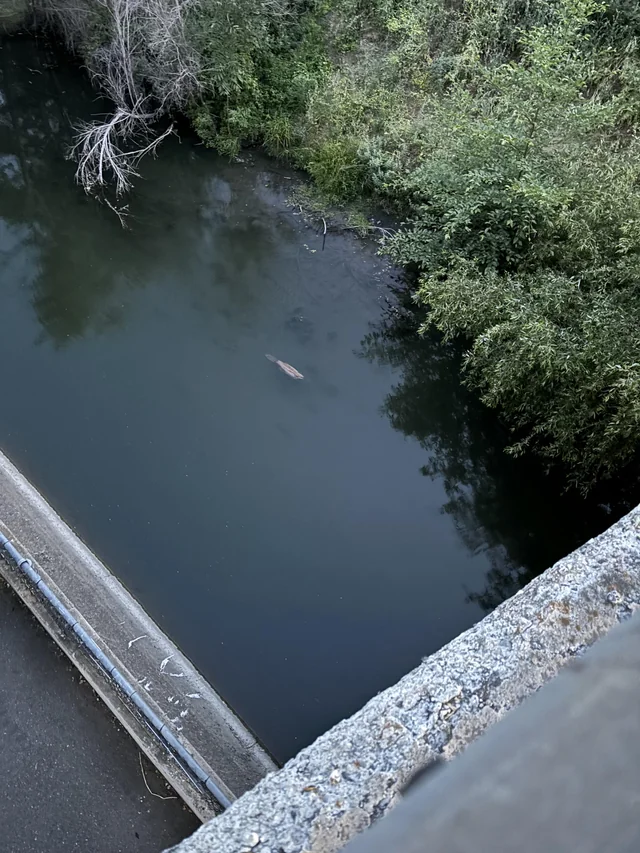
Beavers As Integrated Pest Management
On an early October morning along the Guadalupe River, a beaver family reminded me that restoration is not always about creating something new. Sometimes it is about allowing ancient relationships to return.
 ReadField Notes· 4 min read
The Forester Who Does Not Plant
Some of the best days in this job end without a single tree in the ground. A short piece on the underrated work of protecting what already exists.
 ReadPractice· 6 min read
IPM as Collaboration, Not Control
Integrated Pest Management is usually sold as a smarter way to control the land. It is more useful, and more accurate, to describe it as a way for people to collaborate with the land instead.
 ReadPolicy· 3 min read
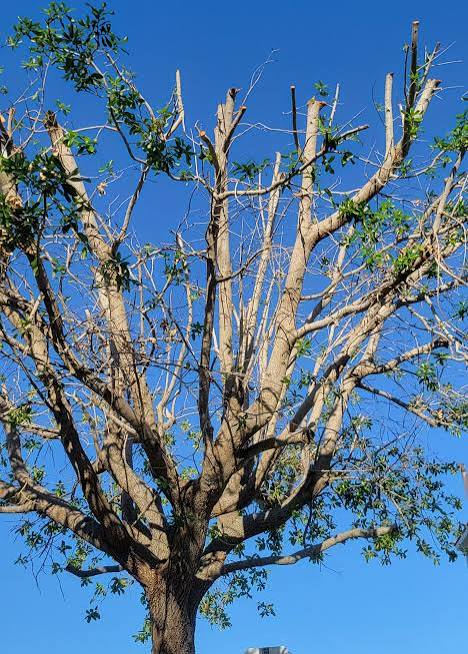
Harmful jargon needs to be called out. Let’s start with “grid pruning”.
A call to reject vague pruning jargon and insist that public tree care be guided by arboricultural science, clear specifications, and accountable stewardship.
 ReadIntegrated Pest Management· 6 min read
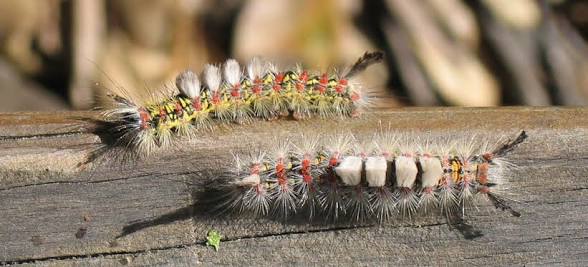
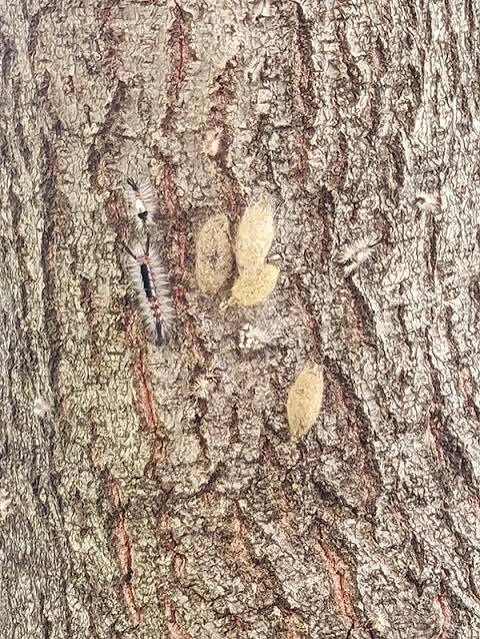
Tussock Moths: Begin With Observation
When a 200-year-old Valley oak is covered in tussock moth caterpillars, the first question is rarely how to stop them. It is when the last outbreak was. A forester's case for reading the cycle before reaching for the spray.
 ReadUrban Forestry· 7 min read
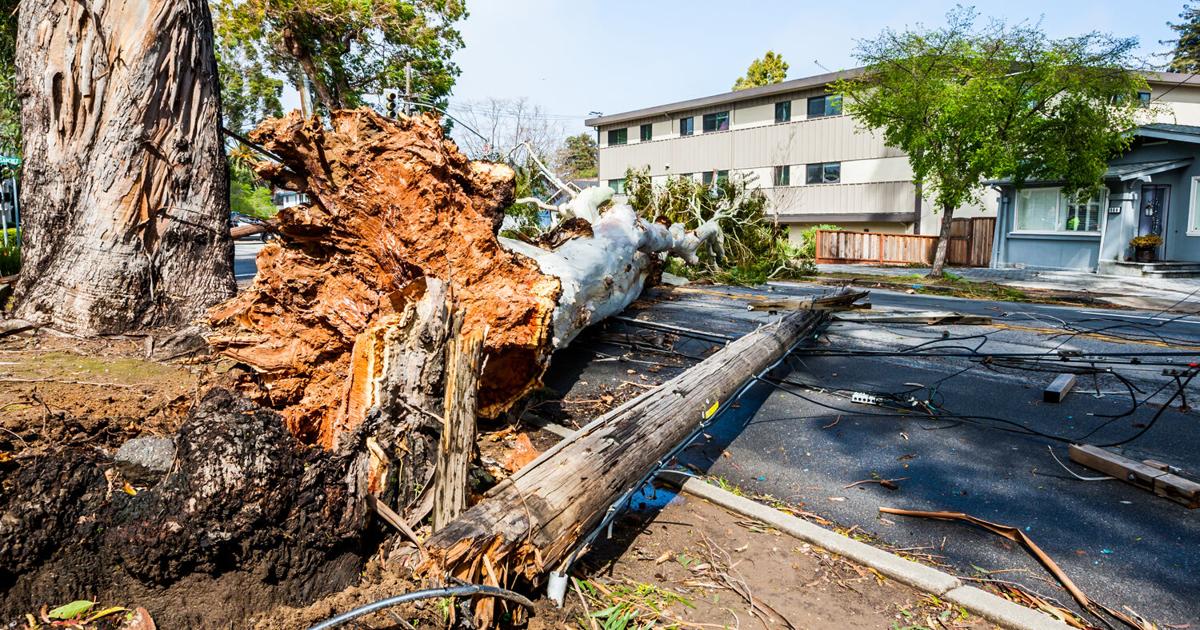
Reusing Fallen Wood: Santa Clara County Was Ahead of Its Time, and What We're Doing About It Now
Decades before 'circular economy' became a buzzword, Santa Clara County was turning fallen urban trees into lumber, mulch, and habitat. The practice is still the right one — it just needs to be scaled and standardized.
 ReadUrban Forestry· 7 min read
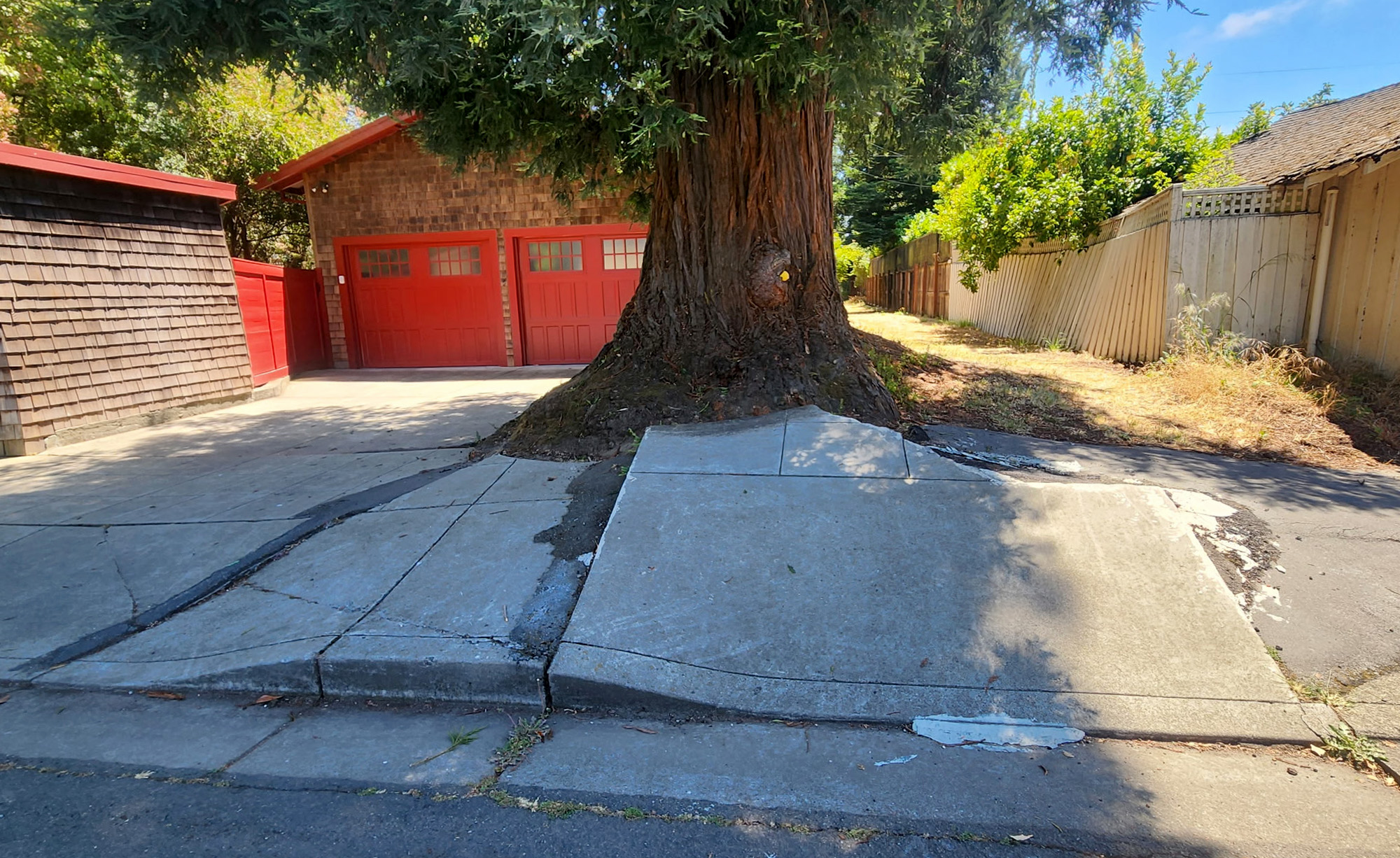
When Preservation Becomes Unsustainable: A Municipal Arborist's Responsibility
Municipal arborists are often asked whether a tree can be saved. The harder question is whether it should be saved when preservation requires permanent life support.
 ReadCommunity Forestry· 5 min read
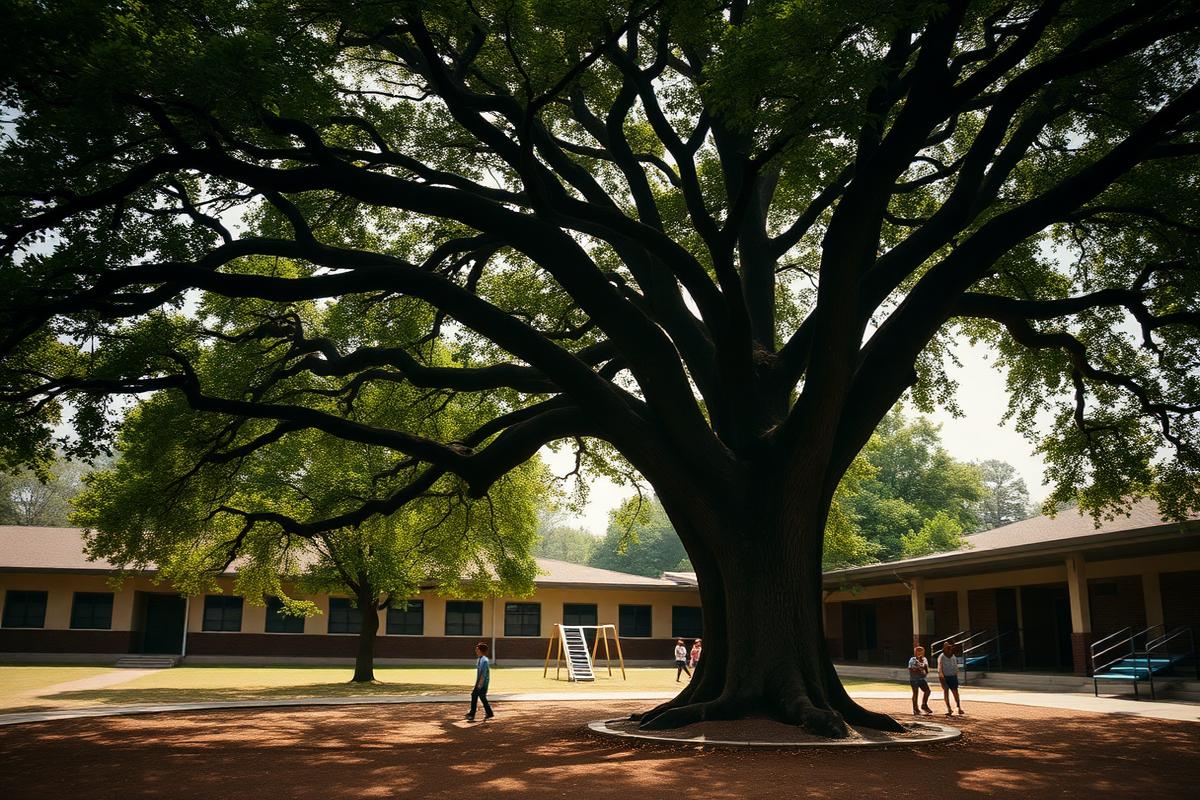
Heritage Trees as Outdoor Classrooms
The oldest trees on a school campus can teach more than any textbook. Here is how we are using heritage trees to connect students with local ecology, history, and stewardship.
 ReadUrban Forestry· 7 min read
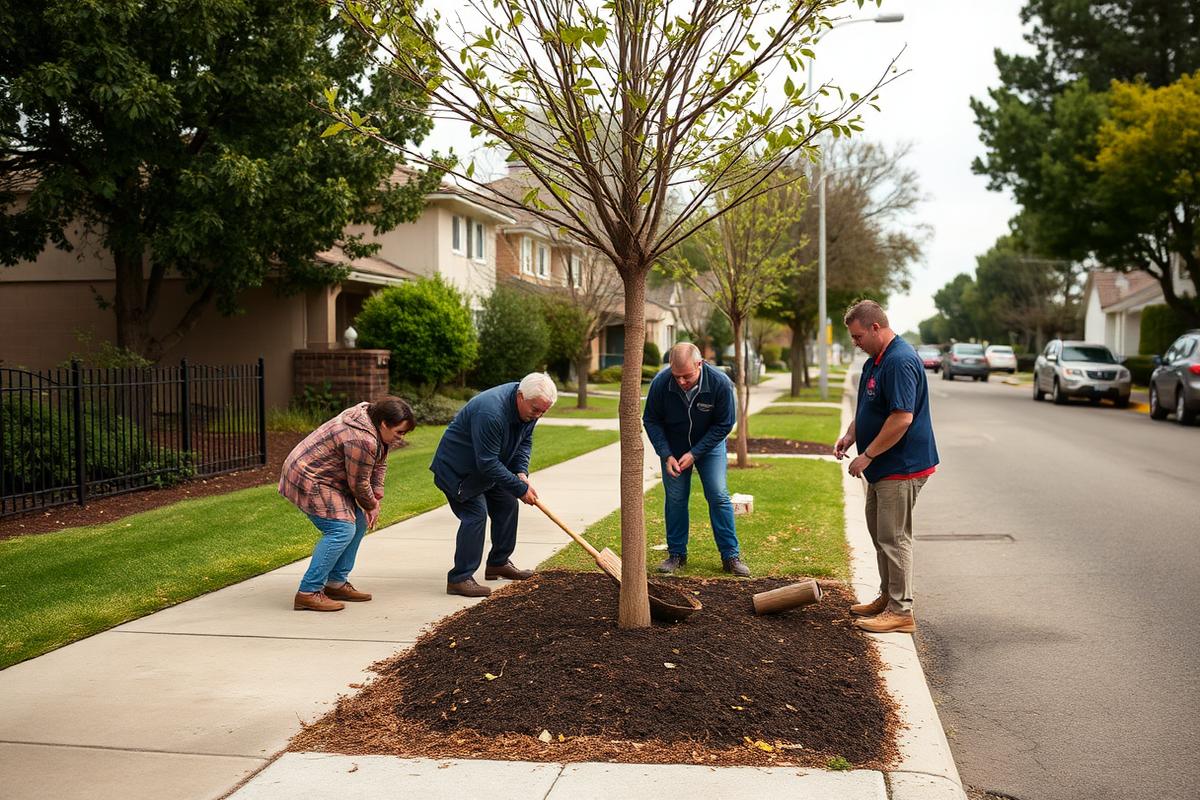
Bringing Canopy Equity to Unincorporated Neighborhoods
What I learned as a Contact Tracing Lead during COVID-19, and how it reshaped my commitment to canopy equity in unincorporated neighborhoods.
 ReadEducation· 5 min read
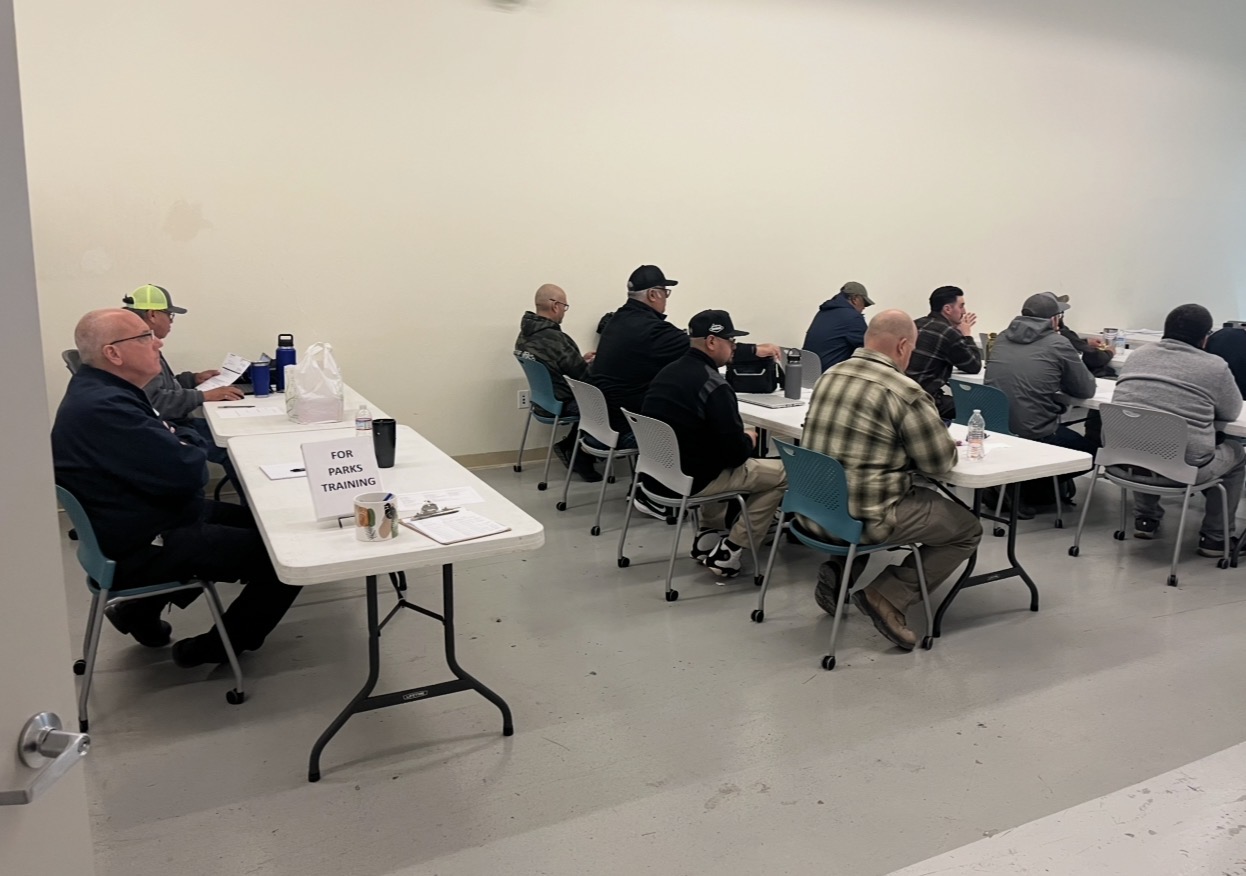
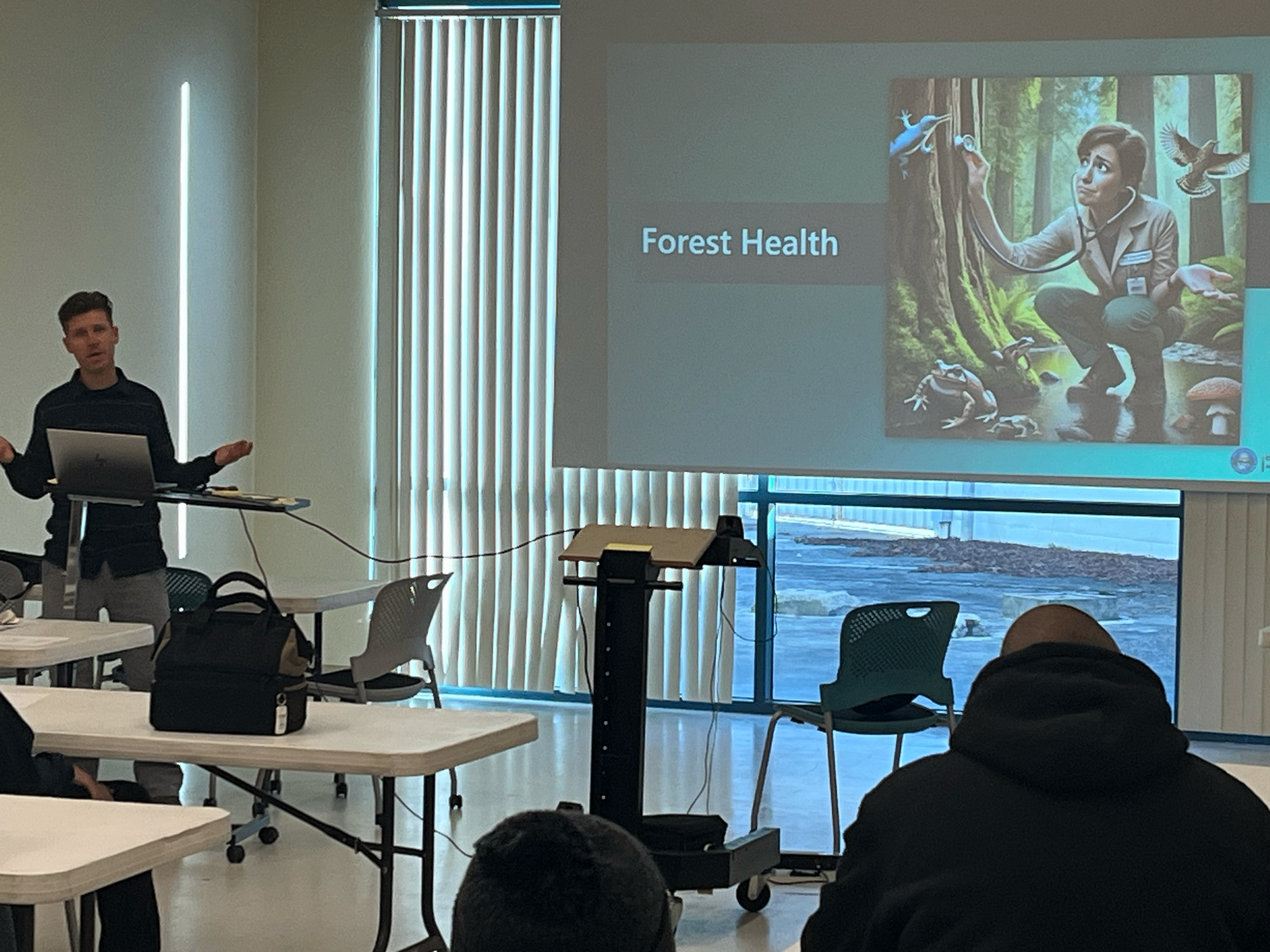
Notes from the Cal Fire Forester Lecture Series
A few takeaways from this year's Cal Fire Forester Lecture Series, where the state’s best foresters shared hard-won lessons on forest health, prescribed fire, and working across silos.
 ReadLand Stewardship· 6 min read
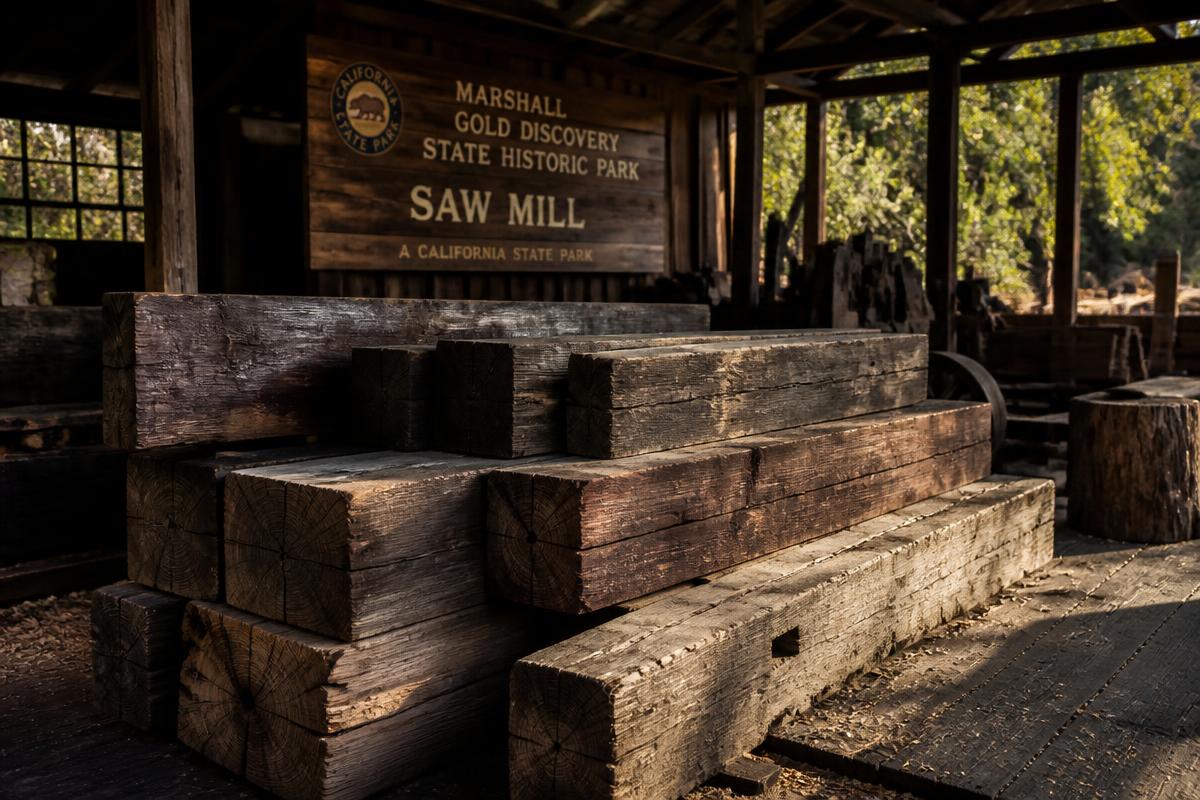
From Forest to Fixture
A Reclaimed Wood Procurement and Design Policy for Santa Clara County Parks.
 ReadLand Stewardship· 4 min read
From Forest to Fixture
I wasn't expecting an old sign shop to change how I thought about stewardship.
 ReadField Notes· 12 min read
Reading a Stump: The Stories Written in Wood
From the perspective of a Natural Resources Program Supervisor: a cross-section of a stump is a biological journal written in wood, recording drought, abundance, fire, and resilience across a lifetime.
 ReadLand Stewardship· 8 min read
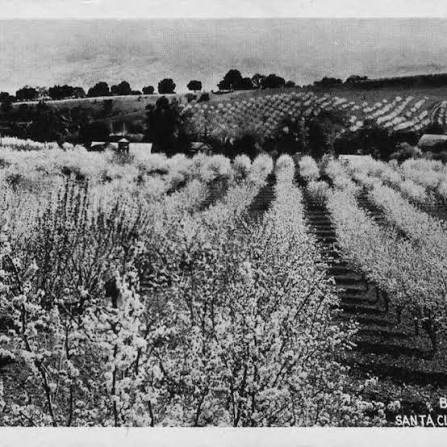
Santa Clara County Was a Food Forest of Orchards. Why Stop Now?
For more than a century, Santa Clara County was an orchard landscape — prunes, apricots, cherries, walnuts. Planting food trees today is not nostalgia; it is a practical strategy for culture, climate resilience, and regional food security.
 ReadField Notes· 5 min read
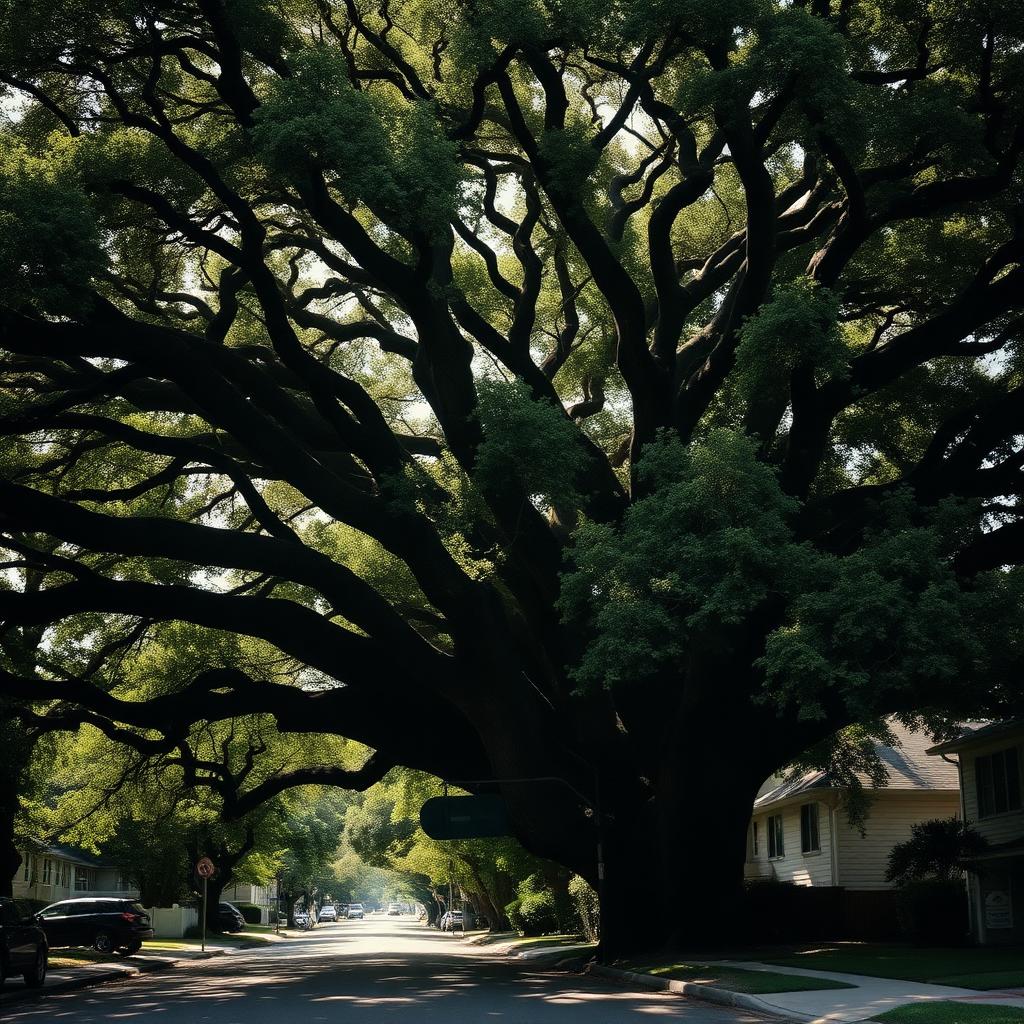
When a Tree Becomes a Neighbor
The trees that get saved are almost always the ones with a name. A reflection on the strange, useful power of naming the trees we care about.
 ReadField Notes· 6 min read
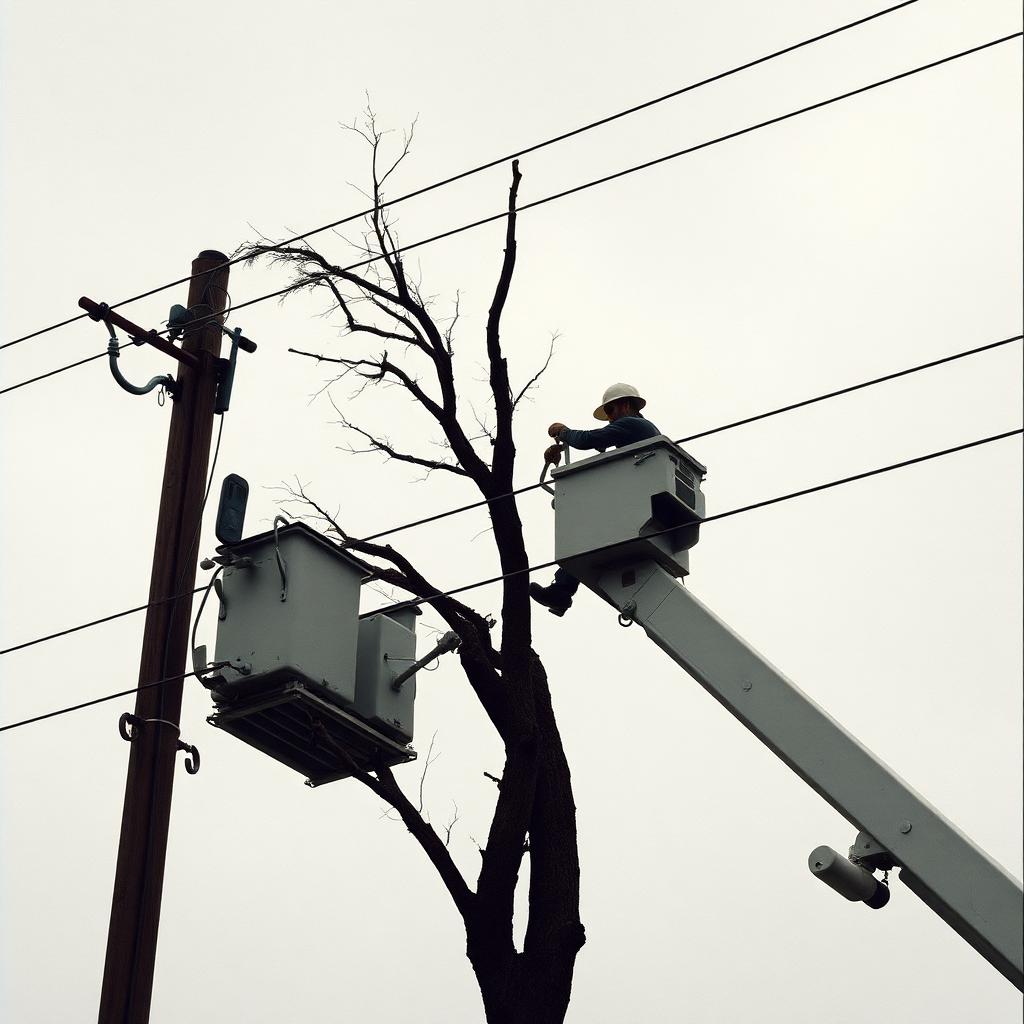
What the Utility Arborist Taught Me
A career spent watching line-clearance crews changes how you think about pruning, about liability, and about the trees we chose to plant under wires.
 ReadFire & Fuels· 8 min read
Air Quality, Permits, and Partners: Prescribed Fire Logistics
The invisible work of prescribed fire happens long before smoke appears. A look at the permits, air quality windows, and partner agreements that make each burn possible.
 ReadPolicy· 6 min read
The Limits of a Tree Ordinance
Every jurisdiction wants a stronger heritage tree ordinance. Very few can enforce the one they already have. A note on the gap between policy and practice.
 ReadField Notes· 5 min read
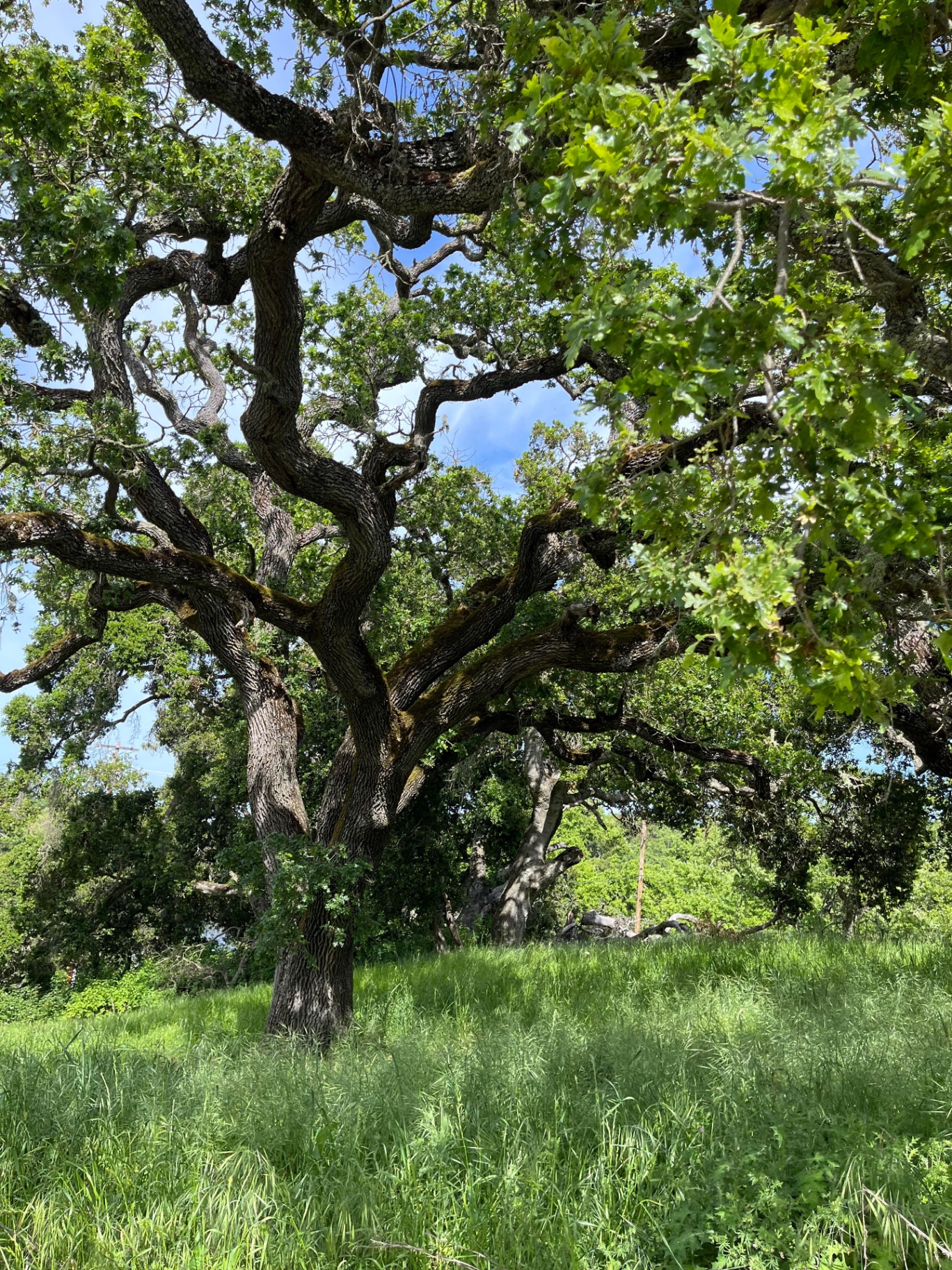
Field Notes: A Season with Heritage Oaks
Reflections from two years of Level 2 risk assessments on twelve hundred heritage valley oaks, and what the oldest trees keep trying to tell us.
 ReadPractice· 7 min read
Why Urban Foresters Must Be Technically Astute, Not Just Tree Planters
The profession has a public identity problem. If urban forestry is going to matter at the scale the climate demands, the people doing it have to be as technically fluent as the engineers and planners they sit across from.
 ReadUrban Forestry· 8 min read
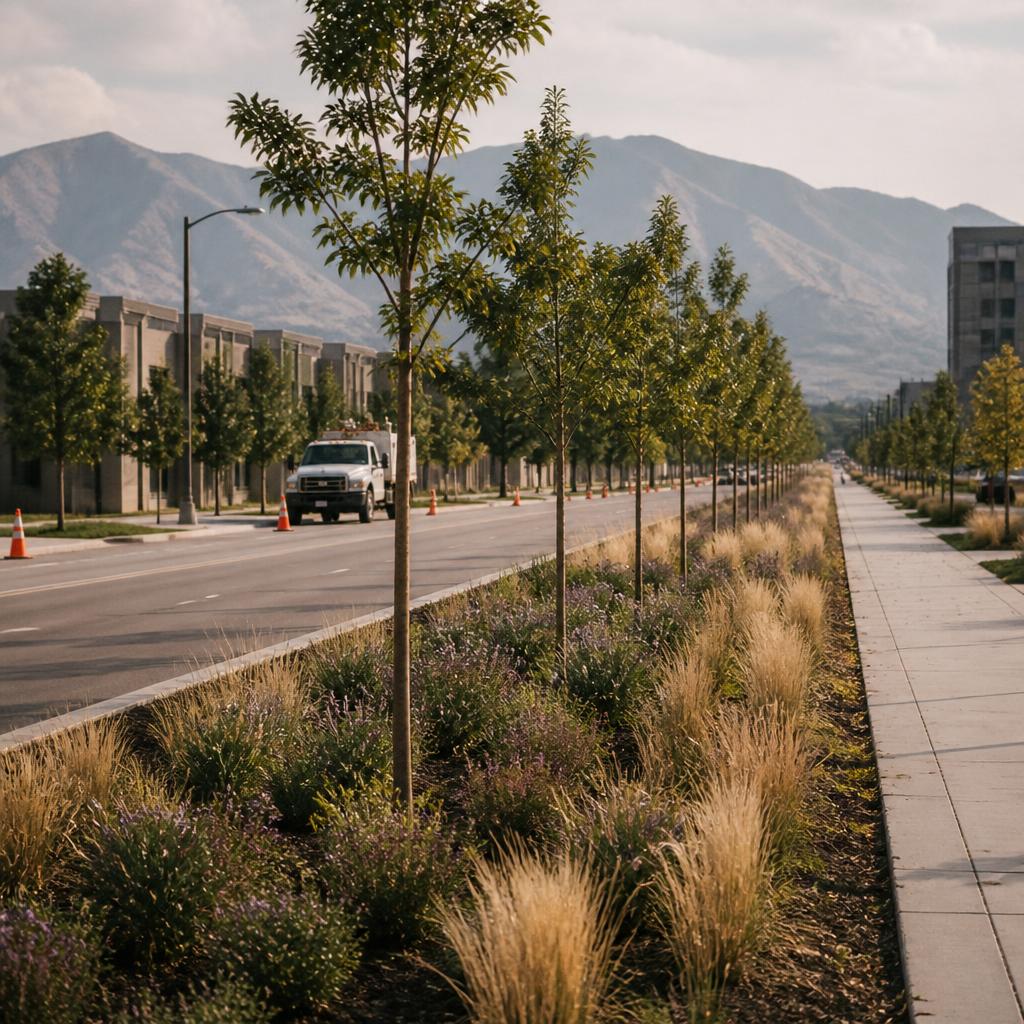
Street Median Renovation and Street Tree Planning: Notes from a Denver Supervisor
A city and county of Denver supervisor walks through how median renovation and street tree planting are managed as one system — and what Bay Area counties can borrow from that integration.
 ReadField Notes· 5 min read
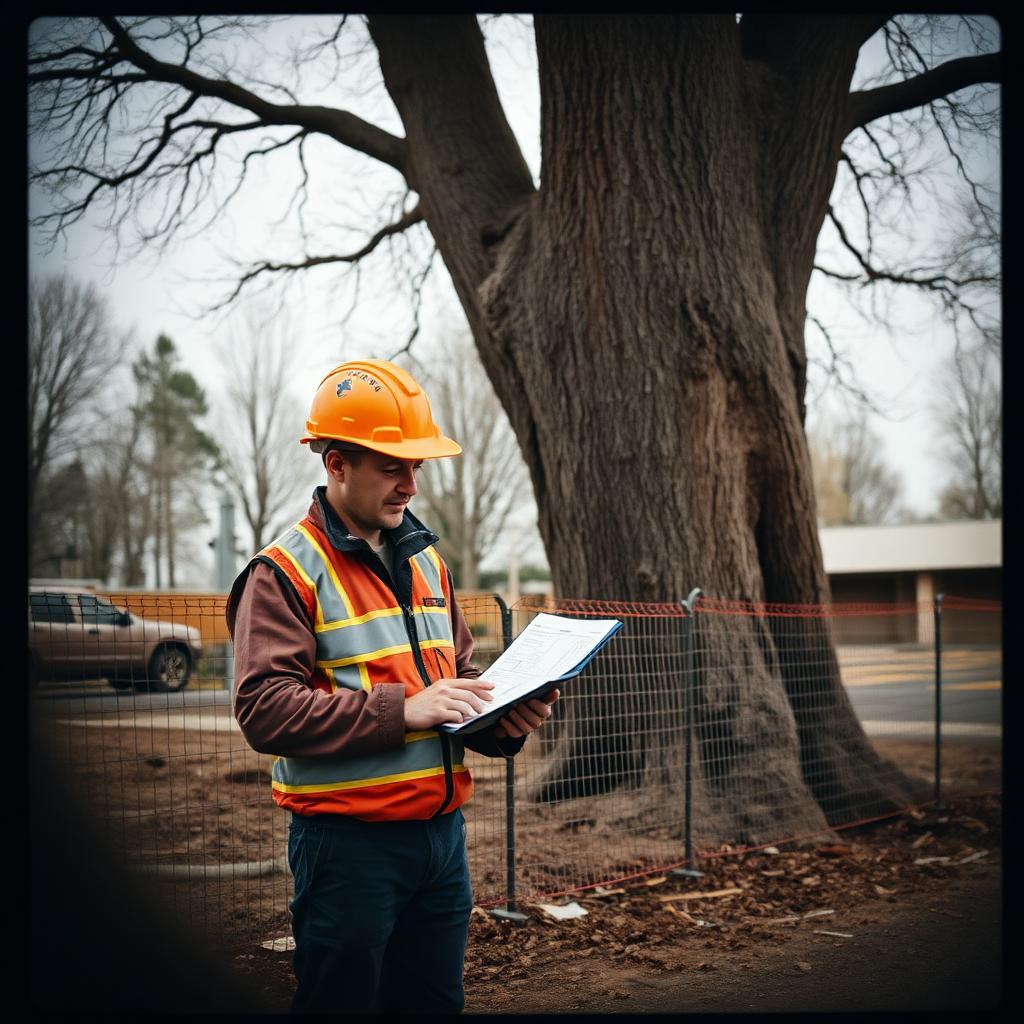
The Ethics of Tree Removal
Every arborist eventually has to recommend removing a tree they wish they could save. A short essay on how to make that call honestly.
 ReadField Notes· 5 min read
The Arborist as Translator
Half of this job is technical. The other half is translating between engineers, landscape architects, planners, homeowners, and a tree that cannot speak for itself.
 ReadEducation· 6 min read
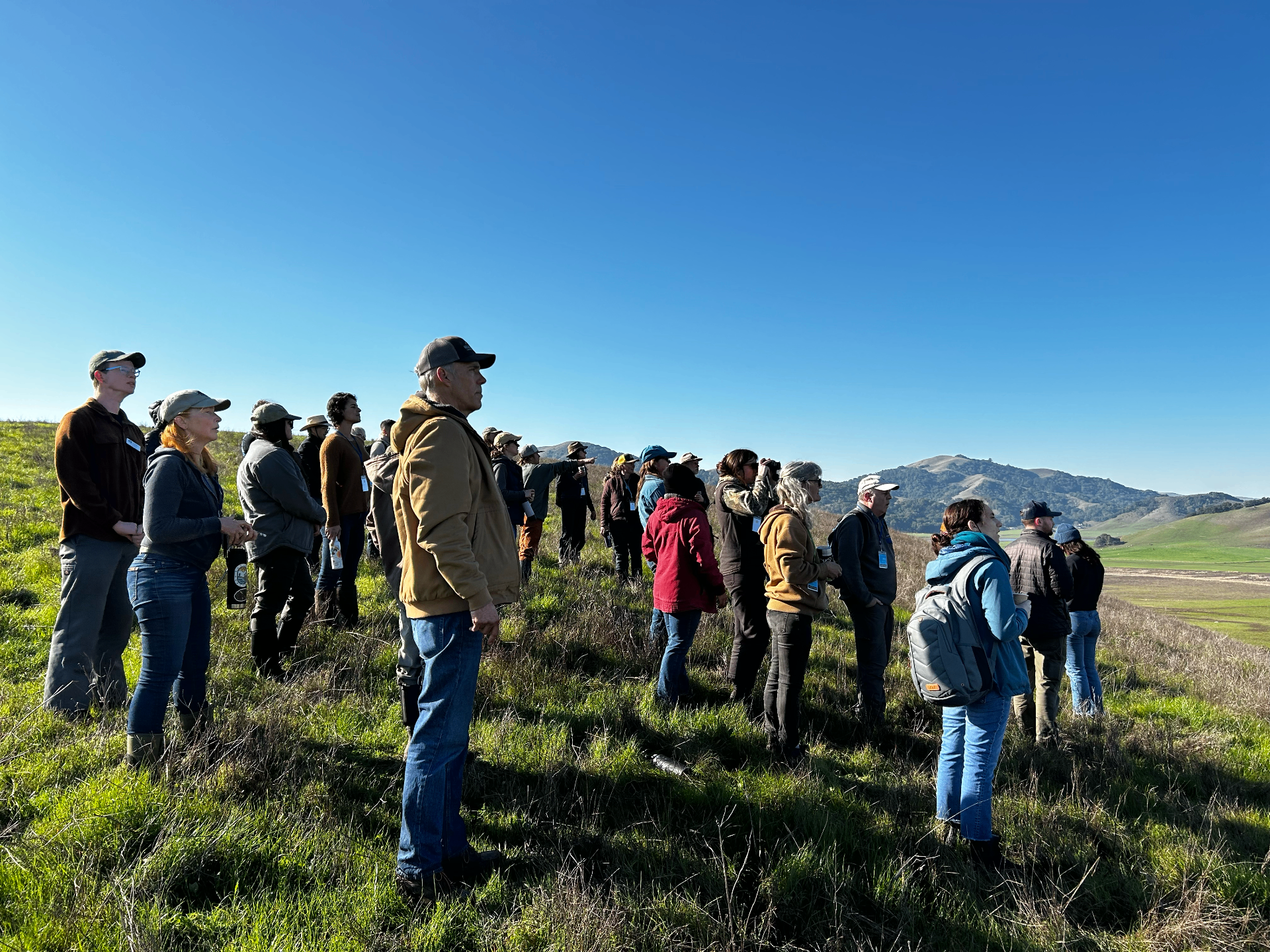
Annual Parks Education: Training the Next Steward
Each year our parks education program brings rangers, volunteers, and partners together for a season of training. Here is why that investment pays off across every county park.
 ReadProfessional Development· 5 min read
Why Continuing Education Credits Matter for IPM Managers
CEUs are more than a renewal checkbox. They are the mechanism that keeps arborists and IPM managers current in a field that changes faster than most people realize.
 ReadIntegrated Pest Management· 6 min read
Tussoc Moths: Looking Beyond the Outbreak
A tussock moth outbreak looks alarming, but panic is not a management plan. A forester's case for reading the defoliation, the tree, and the landscape before reaching for a solution.
 ReadIntegrated Pest Management· 4 min read
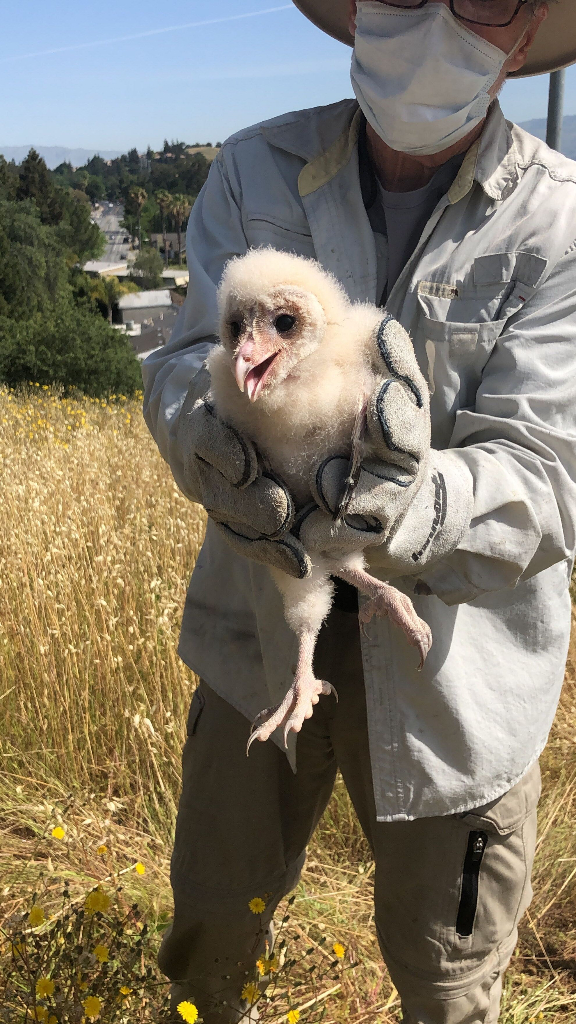
Nature’s Pest Managers: Barn Owls and the People Protecting Santa Clara County Parks
Santa Clara County’s Barn Owl Nest Box Program pairs wildlife, volunteers, and park staff to control rodents without chemicals — 20 boxes, 40 owls fledged in the past year.
 ReadCommunity Forestry· 5 min read
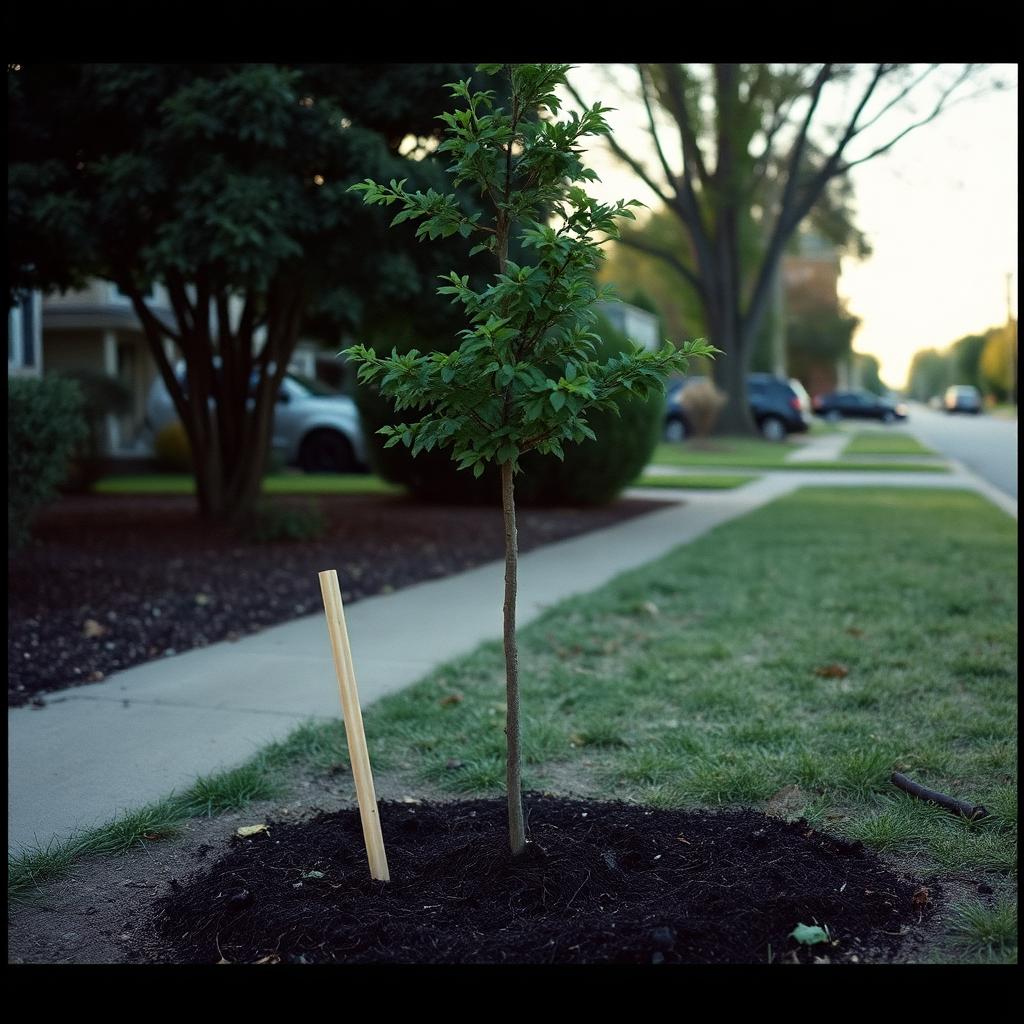
Planting Day Is the Easy Day
The photos always come from the day the trees go in the ground. The survival rate is decided in the three summers that follow, when the volunteers have gone home.
 ReadField Notes· 8 min read
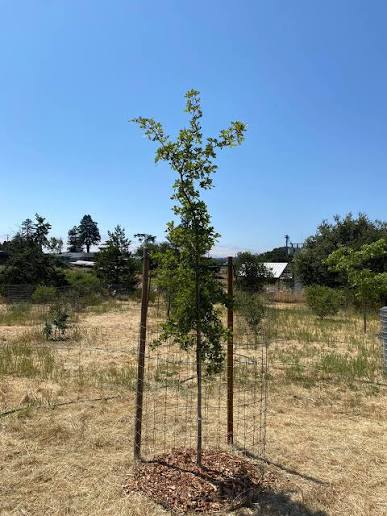
The Quiet Work of Mulch: Protecting the Living Space Beneath Our Trees
No intervention in urban forestry delivers more return per dollar than a properly applied ring of arborist chip mulch. Yet mulch is not decoration around a tree — it is an extension of the tree’s growing environment.
 ReadRestoration· 8 min read
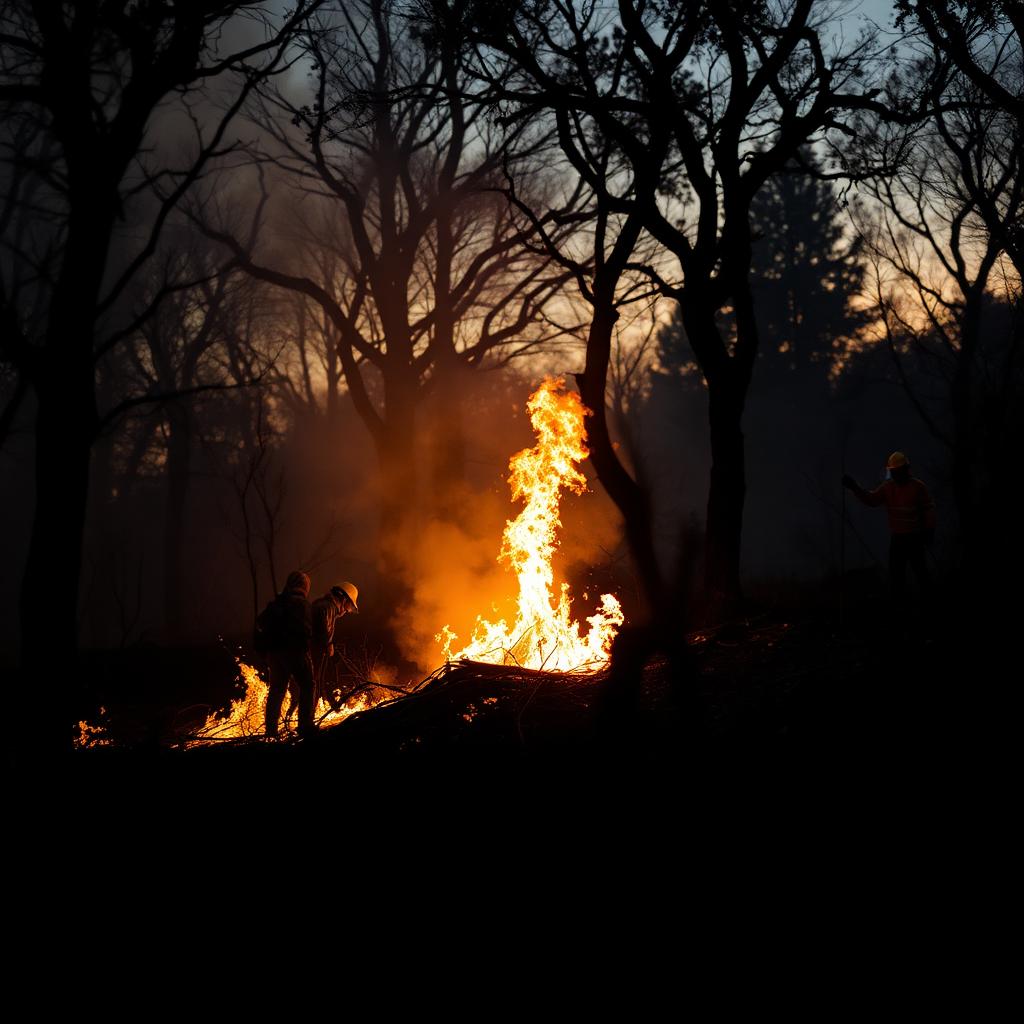
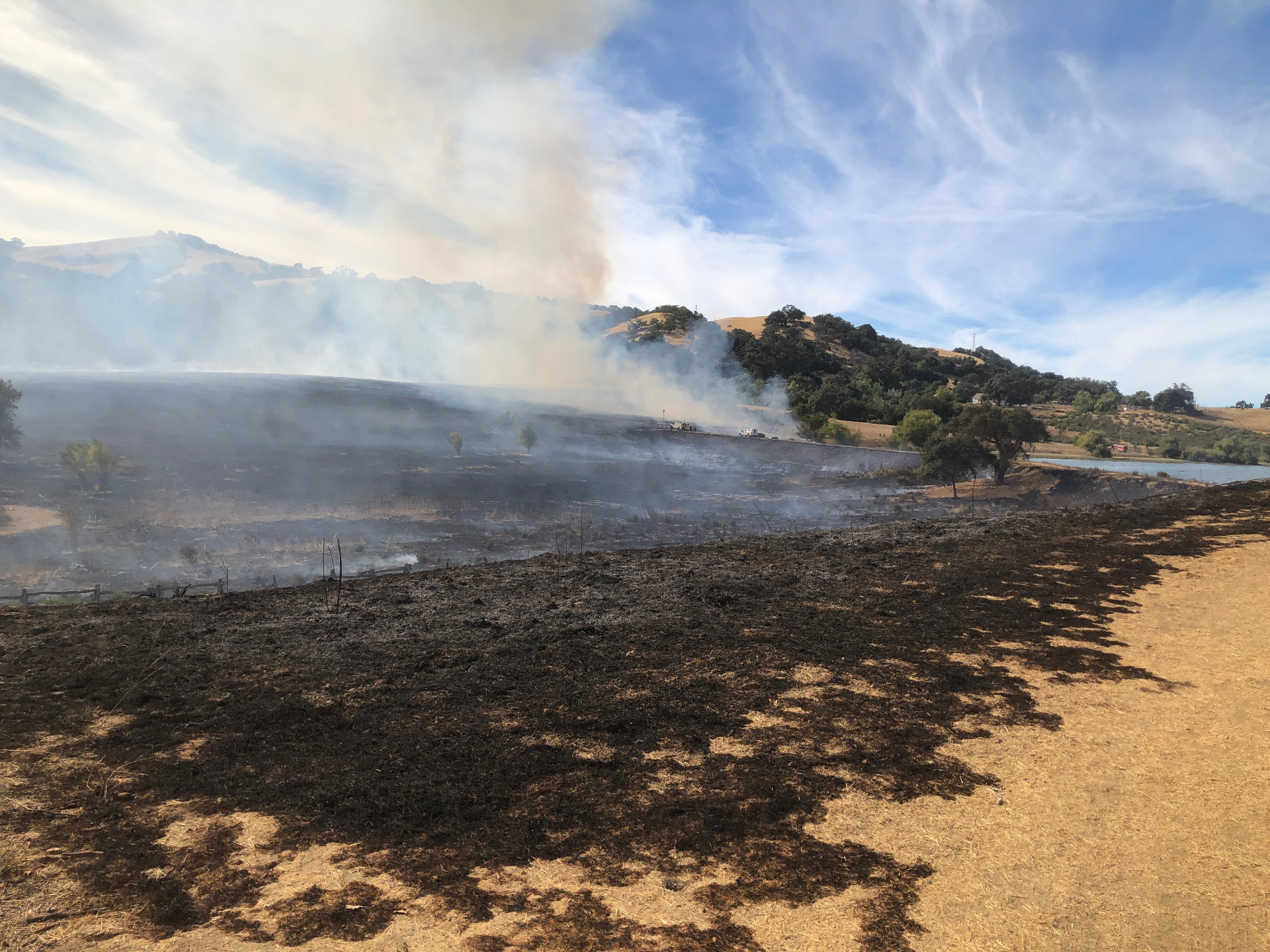
Aligning CAL FIRE Prescribed Burns with County Stewardship Goals
A working memo. To better align wildfire management activities with the County's environmental stewardship goals, I recommend the following practices for all CAL FIRE prescribed burns on our jurisdiction.
 ReadUrban Forestry· 7 min read
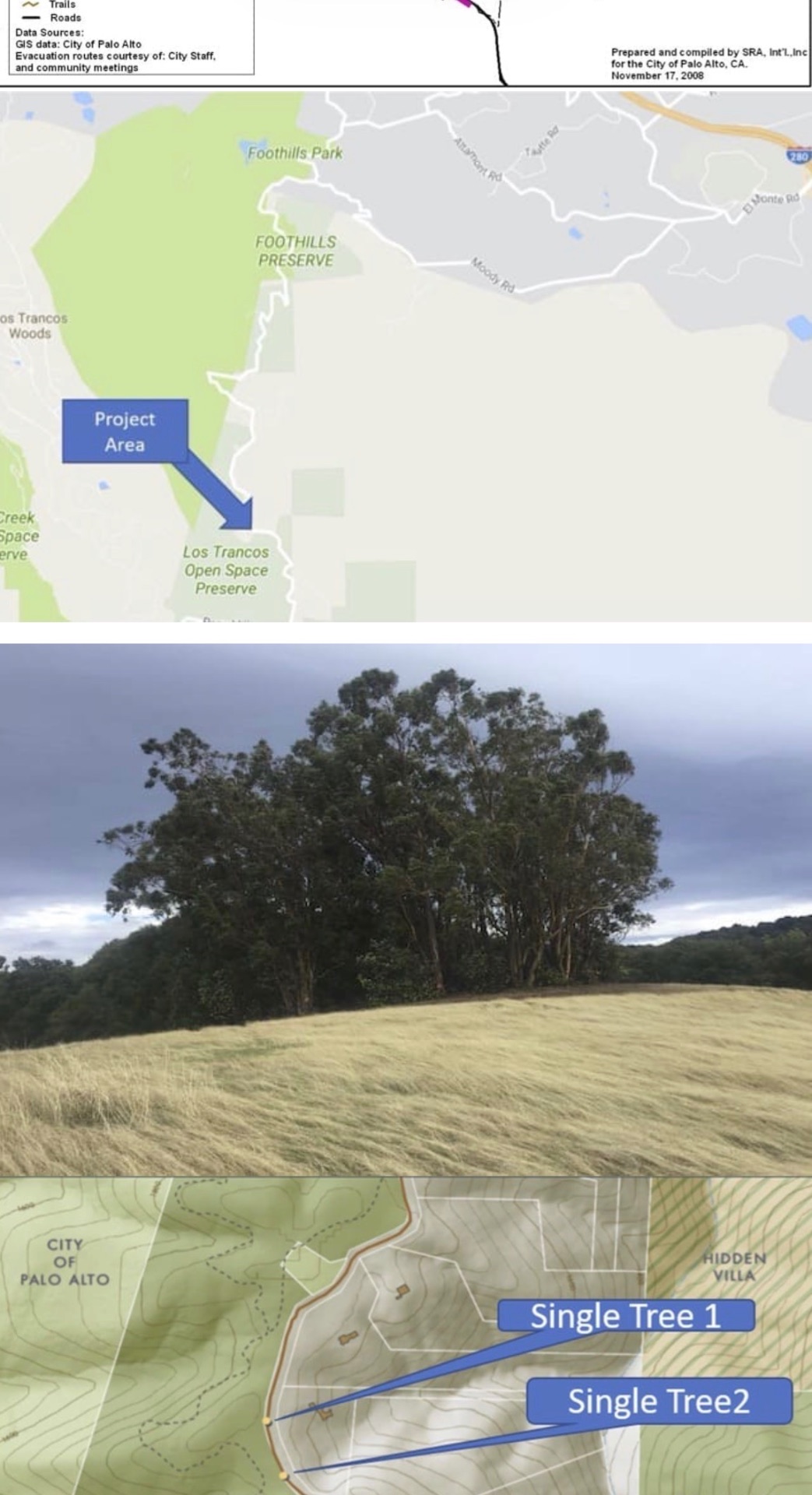
Why the Eucalyptus Needs to Come Down — and What Goes in Its Place
Blue gum eucalyptus is a fire-prone, allelopathic, hollow-limbed monoculture on much of the Bay Area's wildland-urban interface. Removing it is not vandalism. It is overdue restoration — and the replacement palette already exists.
 ReadField Notes· 6 min read
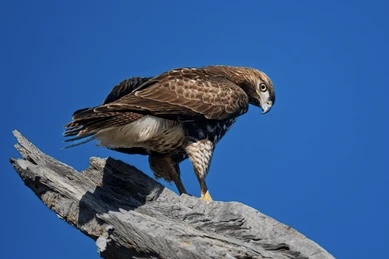
Raptor Fest in the Old Snag: Why This Forester Says Leave the Dead Trees. It's IPM!
A dead oak snag is not a hazard waiting to happen. It is a hunting platform, a nest site, and a pest-control service. Leaving standing dead wood is one of the most effective IPM decisions a land manager can make.
 ReadLand Stewardship· 7 min read
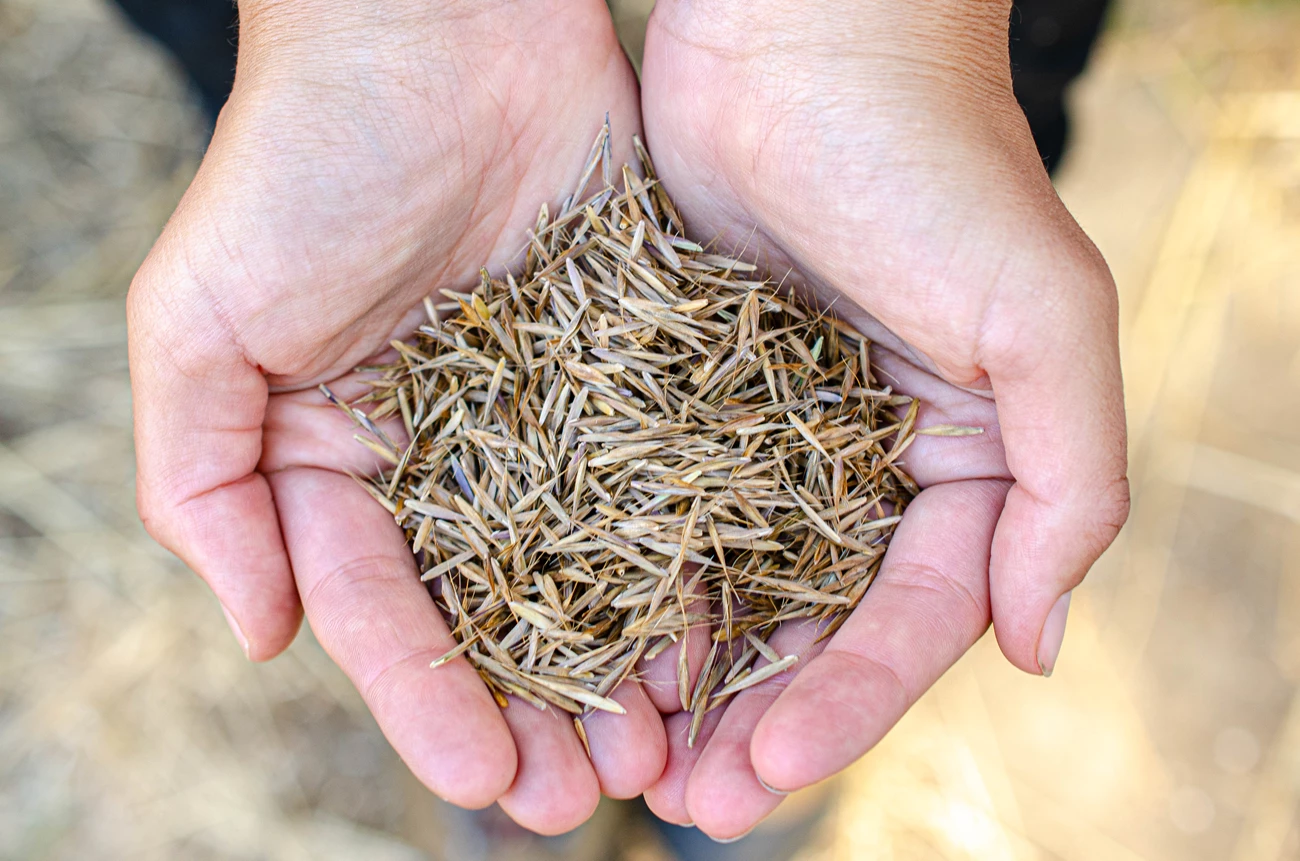
Seeding Day: A California Answer to Arbor Day
Arbor Day was written for a different landscape. California's working answer is Seeding Day — hand-collecting seed from existing native perennial grass stands and returning it to county parkland with the sustainability office and the parks range program working the same rope.
 ReadRestoration· 6 min read
If You Never Return to Your Restoration Sites Beyond the Five-Year Mark, You'll Repeat History
Going back to restoration sites as a project manager makes you a better leader. The five-year check is where the real feedback lives.
 ReadHabitat· 6 min read
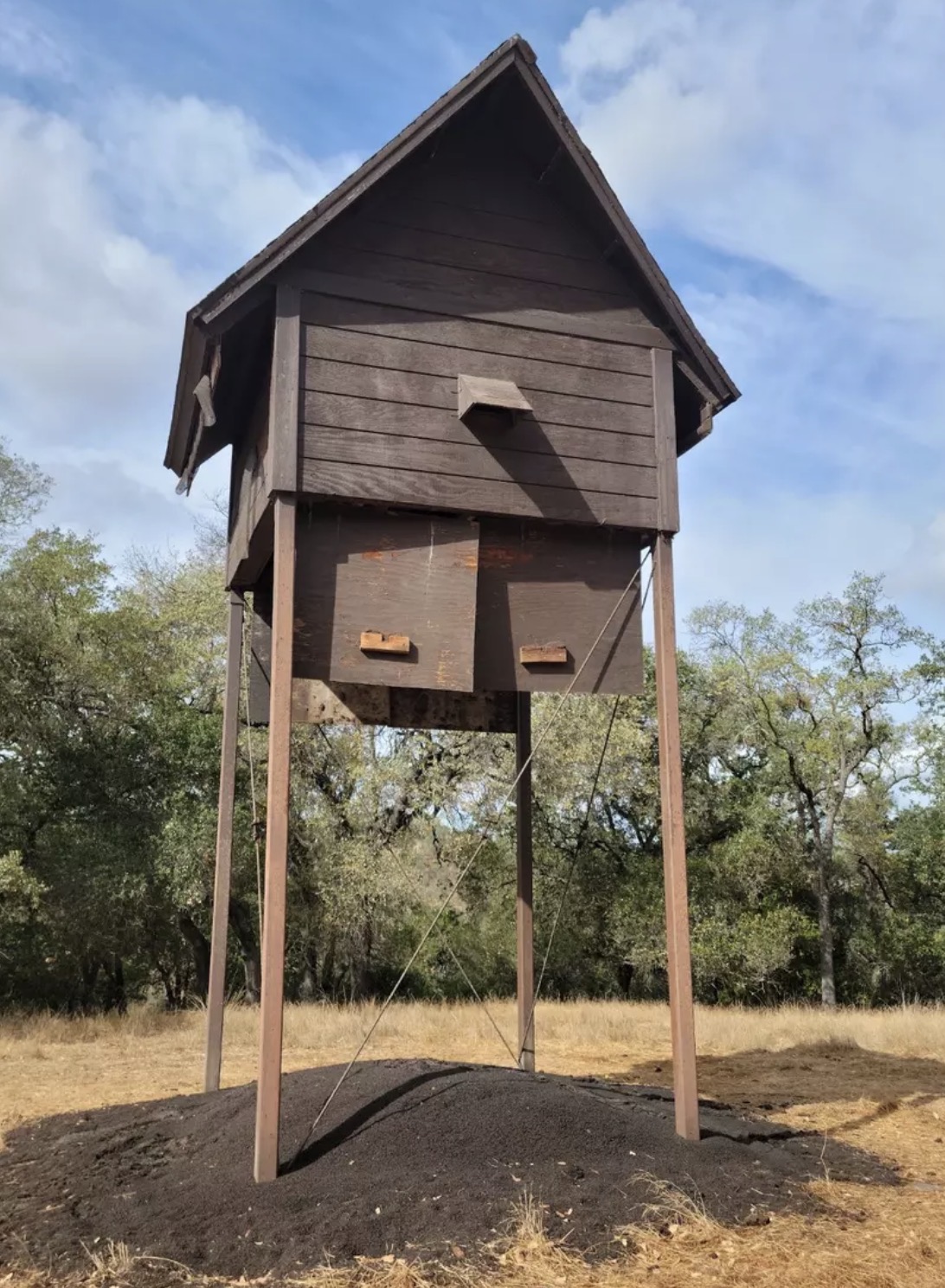
Boy Scouts Bat Condos: How We Teach IPM Through Eagle Scout Projects
Partnering with Scout troops to design, site, and install bat condos — turning Eagle projects into real-world lessons in integrated pest management.
 ReadLand Stewardship· 7 min read
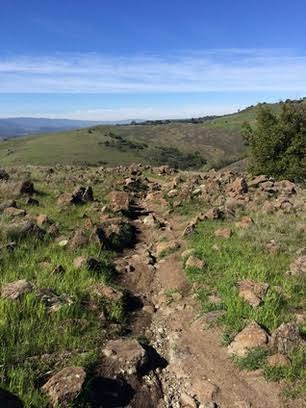
Why Mountain Bikes Don't Belong in Ecologically Sensitive Areas of Stewardship
Recreation access and ecological stewardship are not always compatible. In the county's most sensitive habitats, the responsible choice is to keep bikes out — and to explain why clearly.
 ReadLand Stewardship· 8 min read
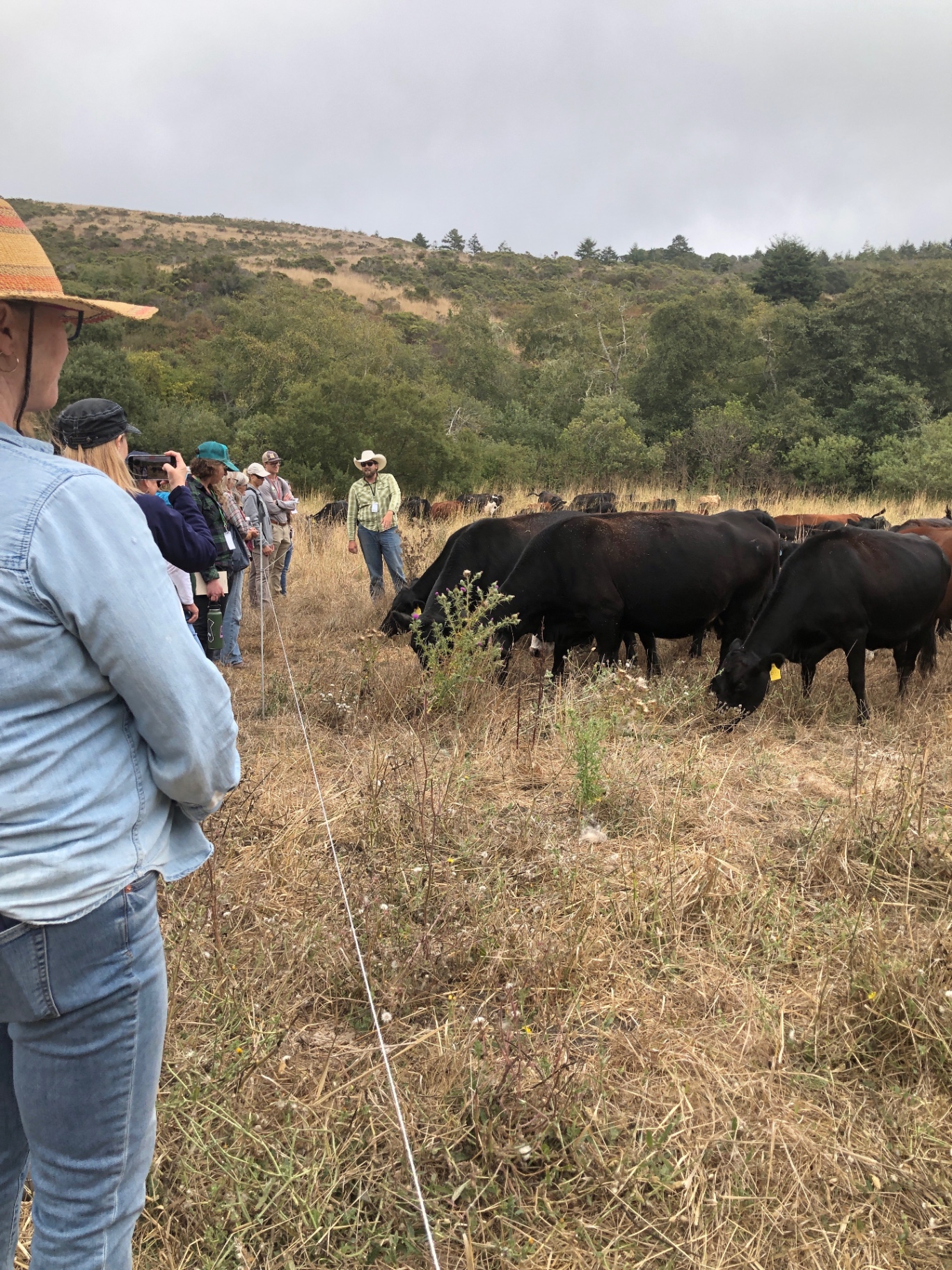
Grazing is IPM and a food system. Why we need to lean in, not back out.
Well-managed grazing is one of the most effective invasive-plant and fine-fuels management tools available in California, and it produces food while it works. The county's current direction — pulling grazing off working parkland — is the wrong turn.
 ReadLeadership· 7 min read
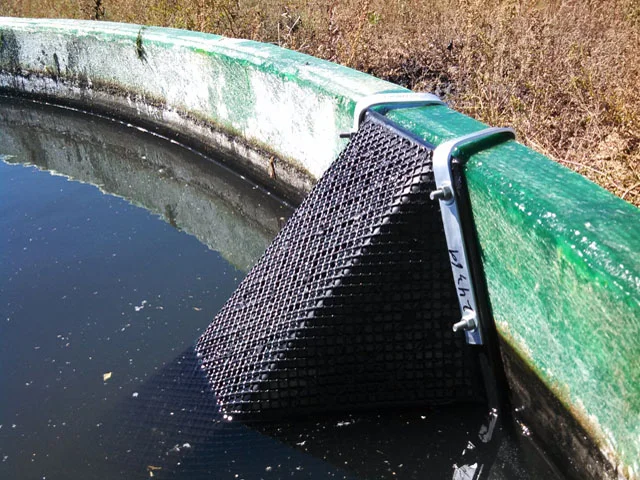
The Assignment I Didn't Expect: What Barry Hill Taught Me About Leading From the Land
A first assignment to install wildlife escape ramps in livestock troughs became a masterclass in land stewardship, humility, and the kind of leadership that begins with muddy boots.
 ReadUrban Forestry· 6 min read
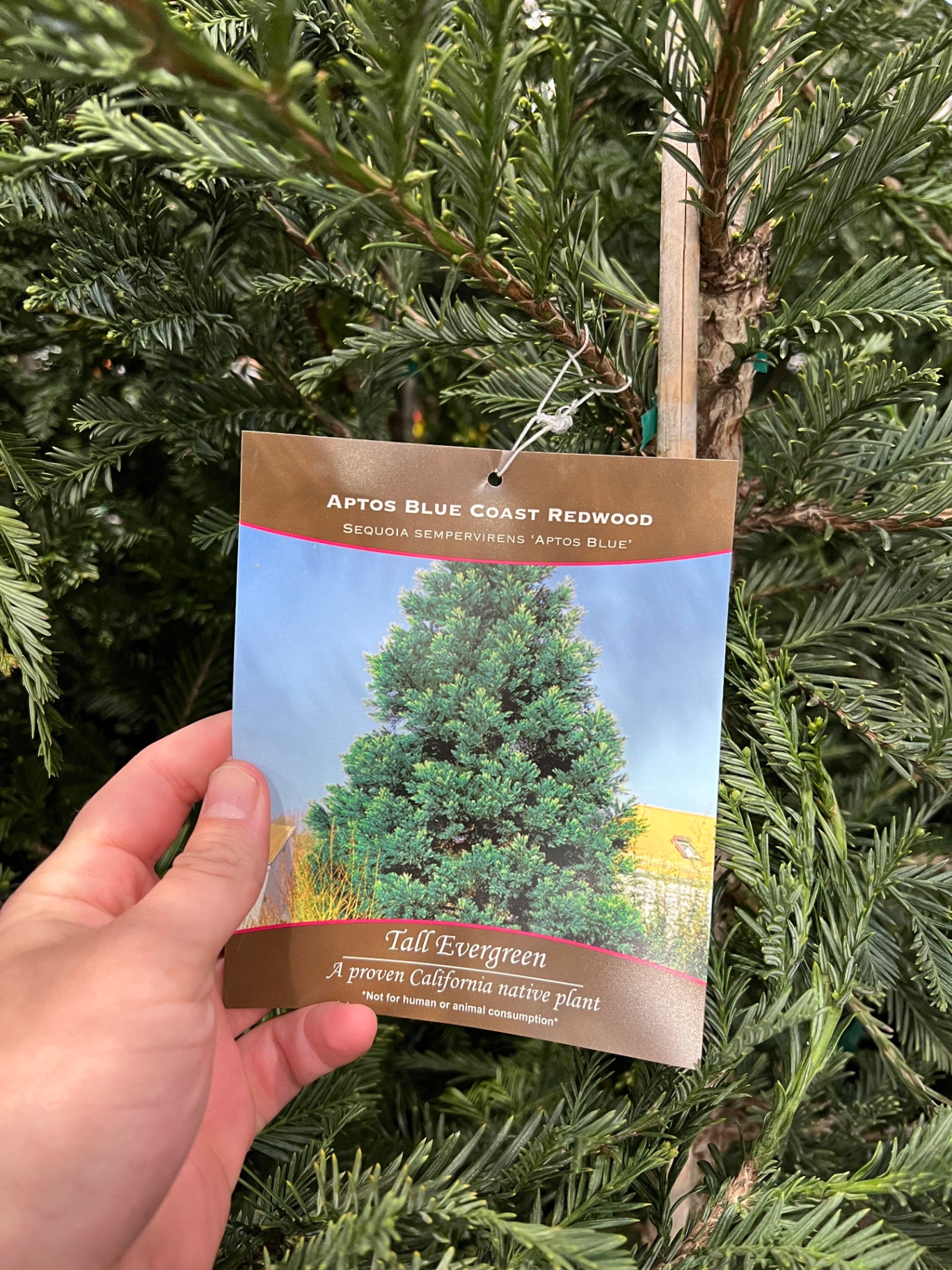
Take Redwoods Off the OK List — and Ask Costco to Stop Selling Them
Coast redwoods are magnificent trees in the wrong place. Bay Area municipalities should remove them from approved street- and yard-tree lists, and big-box retailers should stop selling five-gallon Sequoia sempervirens for the front lawn.