Planting Trees Where Children Learn: Growing Community in the Unincorporated Areas of Santa Clara County
School campuses in the unincorporated areas of Santa Clara County represent some of the greatest opportunities to expand the urban tree canopy, create healthier learning environments, and strengthen connections between children, families, and the land around them.
Kyle D. Peczkowski
Board Certified Master Arborist & Urban Forester
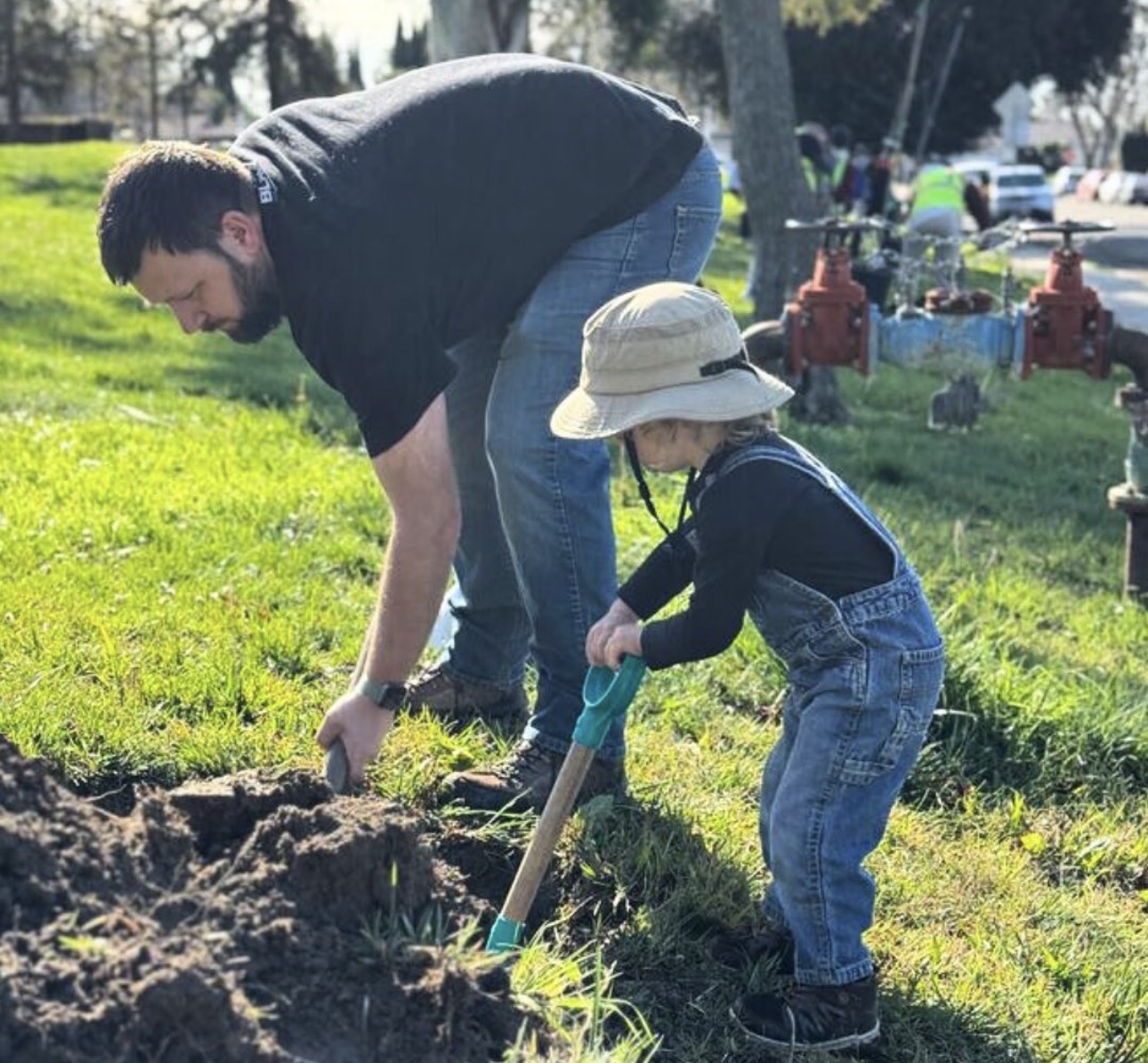
School campuses in the unincorporated areas of Santa Clara County represent some of the greatest opportunities to expand the urban tree canopy, create healthier learning environments, and strengthen connections between children, families, and the land around them. From rural communities and agricultural areas to neighborhoods near the edges of San José, these schools serve as important gathering places where generations of residents come together.
Many school campuses in unincorporated areas face unique challenges. Large paved areas, limited shade, changing climate conditions, and distance from traditional community gathering spaces can make it difficult for students and families to access nature close to home. Thoughtfully designed tree plantings can transform these campuses into living classrooms where children learn beneath the canopy, playgrounds become cooler and more welcoming, and students build a lasting relationship with the natural world.
Planting trees at schools requires careful planning and a commitment to long term stewardship. The right trees must be selected for local climate conditions, drought resilience, biodiversity, shade needs, and decades of student use. A successful school landscape is more than a collection of trees. It is a place where students, educators, families, and community members participate in caring for a shared environment.
Schools in unincorporated Santa Clara County can become centers for environmental learning, local food systems, and community resilience. Edible trees, orchards, native plants, and gardens can help students understand where food comes from and why growing locally matters. A fruit tree on a school campus becomes a living lesson about seasons, agriculture, nutrition, pollinators, and the importance of protecting the resources that sustain communities.
The agricultural history of Santa Clara County provides a powerful foundation for this work. Before becoming known worldwide for technology and innovation, the Santa Clara Valley was recognized for orchards, farms, and fertile soils. Bringing edible trees and gardens back into school landscapes can reconnect children with this heritage while preparing them for a future shaped by climate challenges and the need for local food resilience.
A child who plants a tree, cares for it, and eventually harvests its fruit learns that food is connected to people, place, and time. These experiences build curiosity, responsibility, and a deeper understanding of sustainability. Growing food locally helps children see themselves as caretakers of their communities.
Trees also connect schools to traditions from around the world. In Japan, Hanami brings families and communities together beneath blooming cherry trees to celebrate spring, renewal, and seasonal beauty. Similar connections between nature, food, and community can be found in Persian celebrations of Nowruz, which welcomes the first day of spring, and in many Asian traditions where families gather when fruit trees are ready for harvest.
These cultural traditions show that trees are more than landscaping. They are places where people gather, share stories, celebrate milestones, and strengthen relationships. A blooming tree at a school in an unincorporated community can become a place for family celebrations, cultural events, student activities, and neighborhood connections.
The unincorporated communities of Santa Clara County have a unique opportunity to demonstrate how schools can serve as environmental and community hubs. School landscapes can preserve agricultural connections, support biodiversity, provide shade and comfort, and create spaces where children and families come together.
Schools can be more than places where children receive information. They can become living centers of community life where students learn about ecology, food systems, cultural traditions, and the importance of caring for shared spaces.
When we plant trees where children learn, especially in the unincorporated communities of Santa Clara County, we plant more than shade. We plant healthier environments, stronger connections, cultural understanding, and a future where children grow with the knowledge that caring for the land helps communities thrive.