The Assignment I Didn't Expect: What Barry Hill Taught Me About Leading From the Land
A first assignment to install wildlife escape ramps in livestock troughs became a masterclass in land stewardship, humility, and the kind of leadership that begins with muddy boots.
Kyle D. Peczkowski
Board Certified Master Arborist & Urban Forester
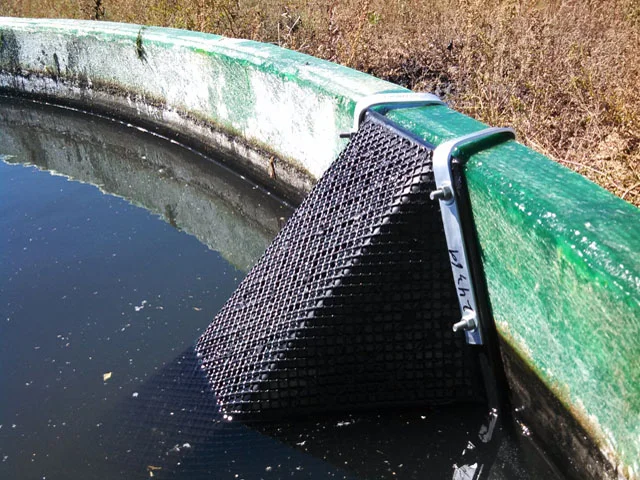
When Barry Hill handed me my first project, I'll admit I was confused. I remember wondering if he'd somehow missed something during the interview process. I was arriving with nine years of supervisory experience. This was the kind of project I would normally have assigned to one of my own crews, not something I expected to be doing myself. For a moment, I questioned whether he had misunderstood my experience, my abilities, or what I was capable of contributing.
Looking back, I don't think he misunderstood anything. I think he had a plan.
On the surface, my assignment was straightforward: install escape ramps in livestock water troughs. It seemed like a simple task, almost too simple. But those ramps represented one of the most practical and effective conservation tools I had encountered. They are inexpensive, easy to install, and remarkably successful at preventing birds, reptiles, amphibians, bats, and small mammals from drowning in artificial water sources. A small intervention with an outsized impact, they embody an important truth about conservation: meaningful change is often achieved through practical, thoughtful solutions rather than expensive or complicated ones.
But Barry's lesson had very little to do with the ramps themselves.
By handing me that project, he was ensuring I would quickly come to know the parks I had been hired to manage. He wanted me to understand the lay of the land before I ever made decisions about it. He got me out of the office and into the field, where every trail, ridgeline, creek, and habitat became part of my education. He understood something I would only fully appreciate later—that you cannot effectively manage a landscape you have not walked.
Those mornings began at six o'clock. We'd pull on our boots before sunrise, drive to a park, and often spend the day hiking more than five miles. Every mile became a lesson. We talked about natural resource management, ecological restoration, wildlife, fire, invasive species, and the countless details that make every landscape unique. We weren't just completing a project; we were learning the parks together, one step at a time.
Along those miles, we also got to know each other. My professional experience had been shaped in Colorado. His had been built entirely in California. Yet despite those different paths, we were cut from the same cloth. We had both chosen lives of public service because we believed the work was larger than ourselves. Stewardship was never just about maintaining parks. It was about protecting ecosystems, preserving biodiversity, and leaving these places healthier than we found them.
That shared purpose made the long days, sore feet, and early mornings worthwhile. Barry taught me that conservation is built through countless small decisions and practical actions. Installing an escape ramp in a water trough may seem insignificant, but multiplied across a landscape, those simple interventions save wildlife, improve ecosystem health, and demonstrate that stewardship is measured not by grand gestures but by consistent acts of care.
Only later did I realize that Barry had never assigned me a project beneath my experience. He had given me exactly the project I needed. Before I could lead people, I needed to know the land. Before I could manage parks, I needed to develop a relationship with them. Before I could make decisions from behind a desk, I needed to earn them with muddy boots.
It remains one of the greatest leadership lessons I've ever received. Barry showed me that the best land managers are first students of the landscape. They lead with humility, they listen before they direct, and they understand that conservation advances not only through ambitious plans but through simple, intentional actions repeated over time. Sometimes the most important lesson a mentor can teach isn't found in the complexity of the assignment, but in the wisdom behind why it was given in the first place.