Notes from a Slow Restoration
Five years into a riparian restoration on a small tributary of Coyote Creek, the honest answer is that we do not yet know if it worked.
Kyle D. Peczkowski
Board Certified Master Arborist & Urban Forester
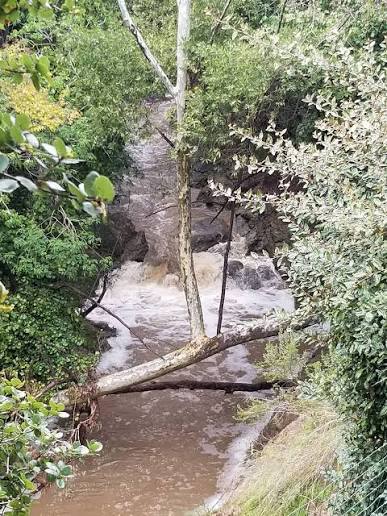
The reach we started working on in 2019 was, by any conventional measure, degraded. Non-native annual grasses, a channel incised into a former meadow, willows only in isolated patches, and a summer flow that went subsurface by June.
The restoration plan called for beaver dam analogs, native plantings, invasive removal, and cattle exclusion. It did not call for patience, which turned out to be the most important input.
Five years on, the channel has aggraded roughly eighteen inches in the treated reach. Willows and cottonwoods have volunteered where we did not plant them. The summer surface flow now persists into July most years, and into August in wet years. Steelhead have not returned. Non-native bullfrogs have.
Is that success? By the funder's original metrics, partial. By the ecological trajectory, promising. By any honest measure, unresolved.
Restoration operates on timelines that do not match grant cycles or elected terms. The willingness to keep monitoring a site for a decade after the ribbon-cutting is what separates restoration from landscaping. Most projects do not get that patience. This one, so far, has.