Harmful jargon needs to be called out. Let’s start with “grid pruning”.
A call to reject vague pruning jargon and insist that public tree care be guided by arboricultural science, clear specifications, and accountable stewardship.
Kyle D. Peczkowski
Board Certified Master Arborist & Urban Forester
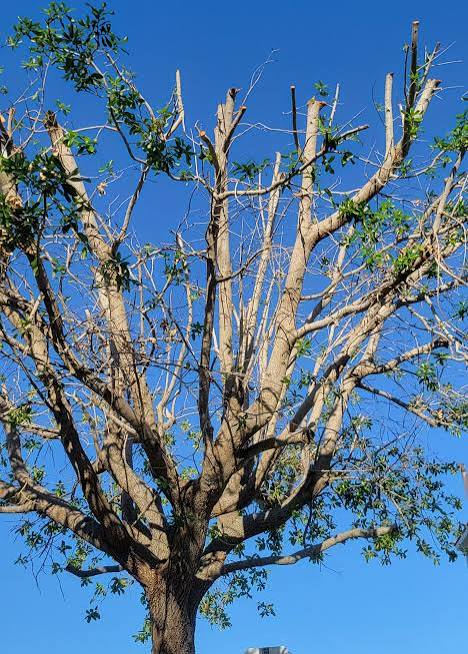
Are Public Funds Growing Trees or Paying to Reduce Their Value?
As Santa Clara County works to protect and expand its urban forest while advancing climate resilience and carbon sequestration goals, one question should guide every tree management decision: Are public funds producing healthier, longer-lived trees and an expanding canopy, or are they paying for practices that reduce the value of those public assets?
Public trees are living infrastructure that provide shade, cleaner air, wildlife habitat, stormwater benefits, and long-term economic value. Their care should be based on arboricultural science, accepted industry standards, and measurable results.
When natural resource managers lack a solid understanding of arboriculture, they often must rely on contractors to define the work. Without knowledgeable oversight, unnecessary or excessive pruning can become routine, reducing tree health, shortening tree life, diminishing canopy, and wasting taxpayer dollars.
Professional tree management should be guided by tree biology, species characteristics, site conditions, structural objectives, and recognized best management practices. Contractors should be held accountable through clear specifications, qualified inspections, and independent oversight. Success should be measured by healthier trees, increased canopy, and responsible stewardship of public resources.
The next time you hear the term “grid pruning,” don't simply accept it at face value. Hold up. Ask questions. In the name of the trees, in the name of professional integrity, and in the name of the taxpayers of Santa Clara County, we should expect decisions rooted in science, transparency, and responsible stewardship. Not irresponsible jargon. Our trees deserve qualified leadership, evidence-based management, and an unwavering commitment to protecting one of our community's most valuable public assets.