The Cost of a Canopy Goal
Every jurisdiction in the region has announced a canopy target. Almost none of them have paired the target with a real budget. Here is what the numbers actually look like.
Kyle D. Peczkowski
Board Certified Master Arborist & Urban Forester
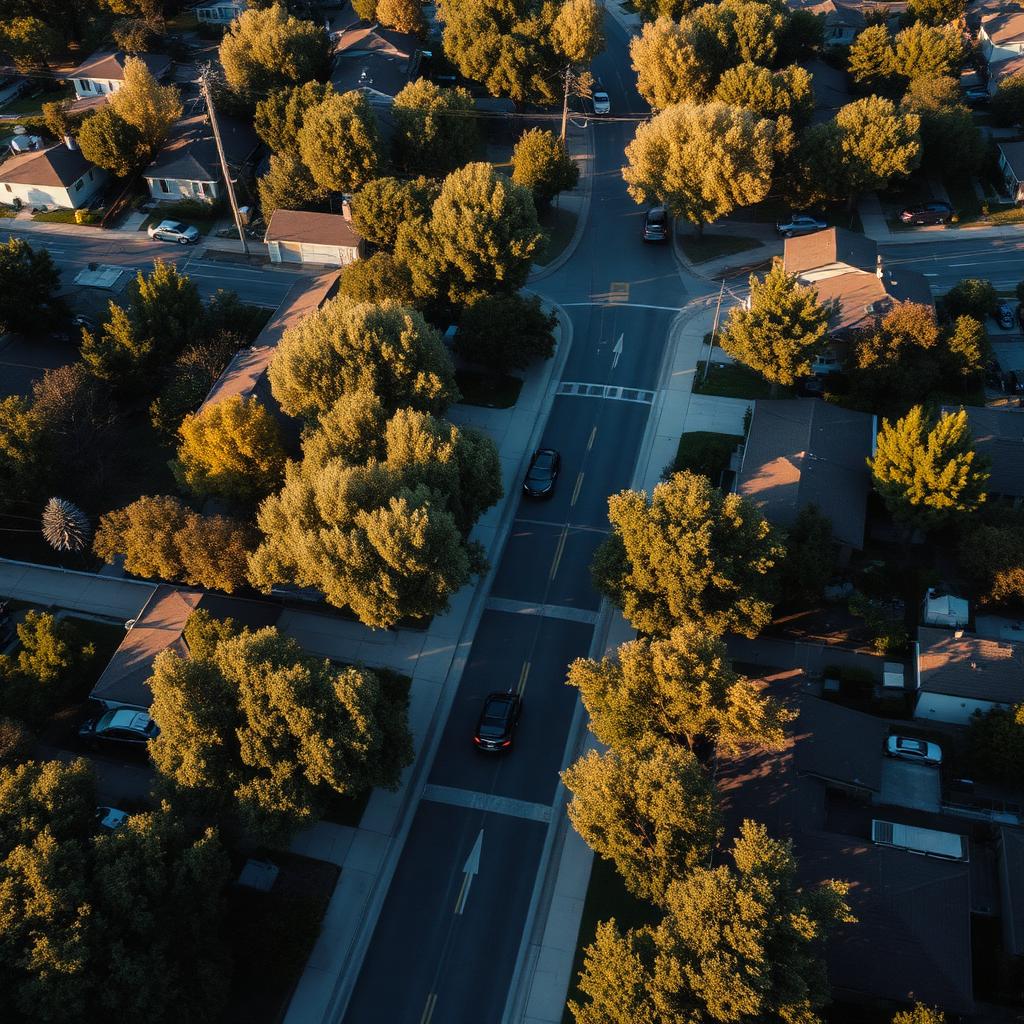
A 30 percent canopy cover goal sounds ambitious. It also sounds free, because it is announced in press releases and not in budget appendices.
It is not free. In our conditions, a fifteen-gallon tree planted in a hardscape site, with irrigation and a three-year maintenance contract, runs about $1,600 fully loaded. Larger container stock in a downtown streetscape can push $3,500. Multiply that by the number of trees required to move a jurisdiction from, say, 12 percent canopy to 30 percent, and the numbers start to look like transportation infrastructure.
For a city of 100,000 people at typical density, closing that gap over twenty years is roughly a $200 to $400 million commitment when you include planting, establishment, and long-term maintenance. That is a real number. It should be treated like one.
The point of the arithmetic is not to argue against ambitious canopy goals. The canopy is worth the money — the return in avoided cooling costs, stormwater capacity, and public health benefits is well documented. The point is that announcing a goal without funding the work is a way to fail publicly on a twenty-year timeline.
The jurisdictions that will hit their canopy targets are the ones that put the maintenance line item into the general fund, not the ones that keep chasing grant cycles. Trees are infrastructure. Fund them accordingly.