Reusing Fallen Wood: Santa Clara County Was Ahead of Its Time, and What We're Doing About It Now
Decades before 'circular economy' became a buzzword, Santa Clara County was turning fallen urban trees into lumber, mulch, and habitat. The practice is still the right one — it just needs to be scaled and standardized.
Kyle D. Peczkowski
Board Certified Master Arborist & Urban Forester
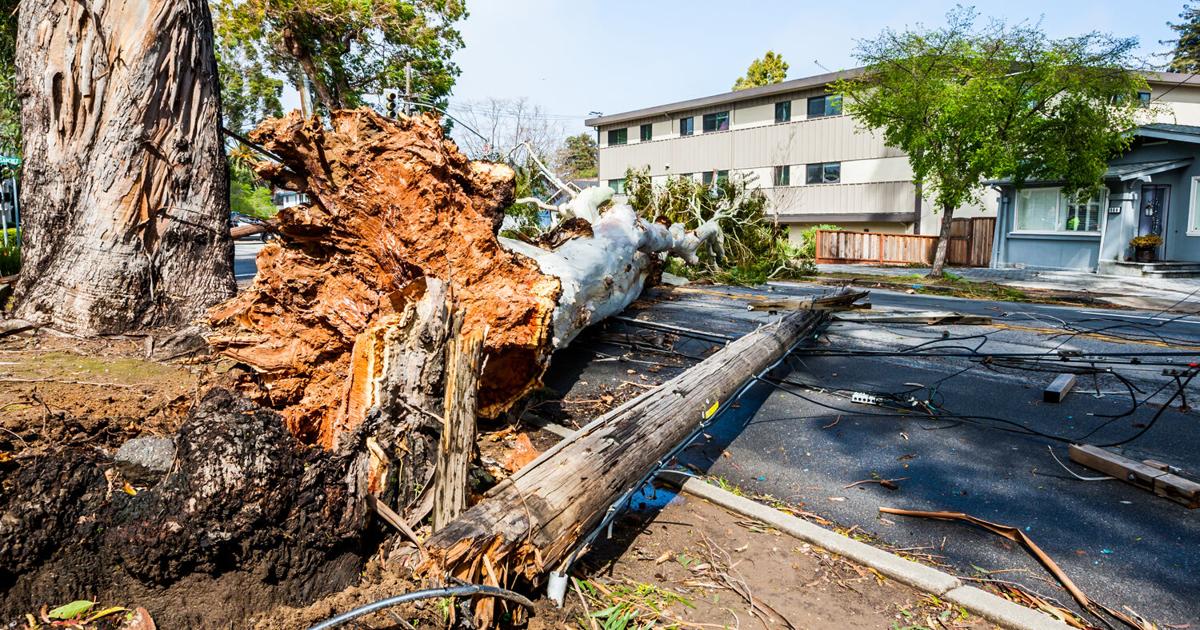
Every urban tree that fails, whether from a winter storm, construction conflict, old age, or prolonged drought, leaves behind a material question. For decades, the default answer was simple: chip it, haul it away, or send it to a landfill. Today, a growing urban wood movement asks a different question: what is the highest and best use of this material now that its life as a standing tree has ended?
The County of Santa Clara recognized this opportunity earlier than many communities. Rather than viewing removed trees solely as waste, the County began exploring ways to recover usable lumber from fallen oaks, walnuts, and other hardwoods for public projects. That philosophy aligns with what is now known as wood cascading, using each part of a tree in its highest value application before ultimately returning the remaining material to the soil.
Building a successful urban wood utilization program begins with inventory. Not every removed tree is suitable for lumber, so each log should be evaluated in the field and classified for milling, chipping, habitat use, or disposal. Recording those decisions allows the County to understand the quantity, quality, and location of available material while ensuring valuable logs are not inadvertently lost.
County of Santa Clara Parks already owns a portable sawmill capable of processing urban logs into usable lumber. However, the mill has seen little use in recent years, leaving much of the County's recoverable wood to be chipped instead. The opportunity today is not to purchase new equipment but to reactivate the existing program through staff training, standardized operating procedures, and partnerships with experienced local sawyers. Portable mills are especially well suited to urban trees, which vary widely in size, species, and form and often contain embedded metal that makes them unsuitable for conventional commercial mills.
Recovered lumber can be incorporated into park benches, picnic shelters, interpretive signs, trail infrastructure, school garden projects, and architectural features in County buildings. Because urban lumber is unique rather than standardized, it is best used in projects that can be designed around the material available instead of conventional procurement specifications.
Not every part of a tree becomes lumber. Branches and small diameter material can be chipped for mulch and compost used throughout County parks and landscapes. Hollow trunks and defective logs can be retained as wildlife habitat in restoration areas, while other clean woody material may be converted into soil amendments where appropriate. Each use extends the value of the tree while reducing waste.
The environmental benefits are significant. Lumber stores carbon for decades while displacing more carbon intensive building materials. Mulch and compost return organic matter to the soil, improving moisture retention and soil health. Avoiding landfill disposal also reduces the potential for methane emissions from decomposing wood. Urban wood utilization is therefore both a resource recovery strategy and a practical climate action.
Challenges remain, including procurement requirements, grading standards for reclaimed lumber, storage space, drying capacity, and staff time. These barriers can be addressed through clear protocols for log sorting, lumber grading, inventory management, and designated drying and storage areas, allowing reclaimed wood to become a reliable resource for County projects.
By fully utilizing the trees it must remove, the County of Santa Clara can continue demonstrating leadership in sustainable urban forestry. An effective urban wood utilization program connects arboriculture, resource management, carpentry, and climate policy into a single circular system. It honors the value of every tree not only during its life, but long after it has fallen.