The Coordination Behind a Good Burn
A successful prescribed fire is 90% logistics and 10% flame. Here is what it takes to align air quality, fire agencies, land managers, and neighbors before the first drip torch is lit.
Kyle D. Peczkowski
Board Certified Master Arborist & Urban Forester
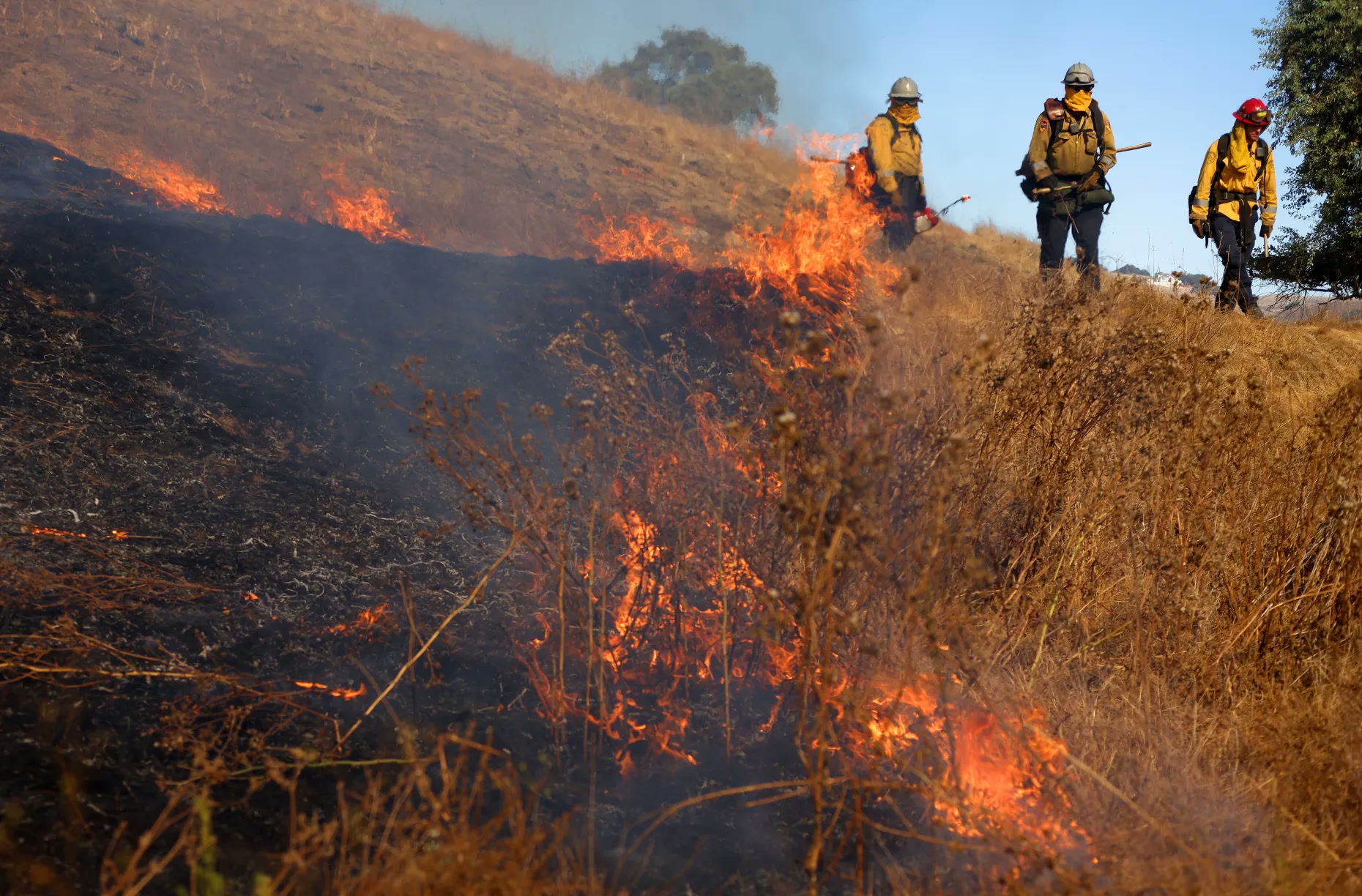
Prescribed fire is having a moment in California. After a decade of catastrophic wildfires, policymakers, ecologists, and even insurance companies are rediscovering fire as a land management tool. But wanting more good fire and actually putting it on the ground are very different things.
In Santa Clara County, every prescribed burn requires a burn plan signed by Cal Fire, an air quality authorization from the Bay Area Air Quality Management District, a smoke management forecast, a 911 dispatch notification, and a signed landowner agreement. If the burn is on County land, add internal risk management, public information, and archaeological clearance.
The coordination window is narrow. You need fuel moisture low enough to carry flame but high enough to keep it manageable. You need wind that will move smoke away from schools and hospitals. You need a forecast that holds for 24 hours, because a burn that escapes after dark is every fire chief's nightmare.
We are building a countywide prescribed fire coordination group that meets monthly during burn season. Participants include Cal Fire, local fire districts, the Air District, tribal representatives, open space agencies, and neighboring counties. The group does not make burn decisions. It makes coordination routine.
Good fire is not a solo act. It is a trust exercise across agencies, and the only way to get better at it is to keep showing up together.