The Shot Hole Borer Challenge: Why Community Action Matters
The invasive shot hole borer is a community challenge. Drawing on lessons from Denver's "Be A Smart Ash" campaign, public awareness and early reporting can slow the pest before the damage becomes irreversible.
Kyle D. Peczkowski
Board Certified Master Arborist & Urban Forester
I have seen firsthand how a community can respond to an invasive pest when leadership, science, and public engagement come together. Years ago, while working with the City and County of Denver, I watched as Emerald Ash Borer (EAB) began spreading across the Midwest and moved closer to communities throughout the country. Denver was fortunate to have an exceptional forester, Rob Davis, who recognized that preparing for the pest required more than tree management—it required engaging the public.
Through the “Be A Smart Ash” campaign, Denver transformed an invasive pest threat into an opportunity for education and community involvement. Residents learned what EAB was, why it mattered, and what they could do to help protect the urban forest. It became a model of how communication, leadership, and community participation can make a difference when facing an environmental challenge.
Today, we have a similar opportunity with the invasive shot hole borer.
Several years ago, while working with County Parks, we began discussing the possibility that the shot hole borer would arrive in our region. My experience with EAB shaped those conversations and reinforced an important lesson: invasive pests do not wait for communities to be ready. The earlier we understand the threat, the better positioned we are to respond.
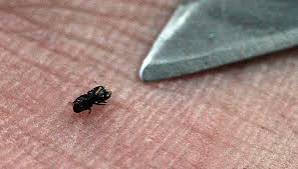
The shot hole borer is a small beetle with a significant impact. By introducing Fusarium fungi into susceptible trees, it disrupts the tree’s vascular system, causing branch dieback, canopy decline, and eventually death. Unlike EAB, which primarily affects ash trees, the shot hole borer threatens a much wider range of species, including coast live oak, sycamore, willow, ash, and box elder. In a region where our urban tree canopy is already under pressure, losing additional tree species would have lasting consequences.
Our experience over the past three years through the IPM TAG Collaborative has shown both the challenges and the value of regional cooperation. When the pest was first detected in 2022, it quickly became clear that it did not recognize city or county boundaries. Trees along riparian corridors became sources of infestation, affecting both public and private landscapes.
Collaboration has allowed us to better understand the problem. We have standardized monitoring methods, established shared identification thresholds, and created a regional picture of where infestations are occurring. The data has shown that the pest spreads most quickly along riparian corridors, in stressed landscapes, and through the movement of green waste and untreated wood materials.
This information also tells us something important: protecting our trees will require more than technical solutions alone. Sanitation, education, and public participation are essential parts of the response.
We should be clear about our goal. We are unlikely to eradicate the shot hole borer. The objective is to slow its spread, protect the most valuable trees, and create time for researchers to develop better tools. That requires continued cooperation among agencies, scientists, arborists, and residents.
The work already underway is encouraging. The collaboration among the county, the City of Santa Clara, Extension staff, and other partners demonstrates what can happen when experts share information and work toward a common goal. But we should not wait until impacts become more widespread before engaging the broader community.
Now is the time to build public awareness. Inspired by the success of Denver’s “Be A Smart Ash” campaign, we have an opportunity to create a similar effort focused on the shot hole borer: “Be Shot Hole Smart: Spot the Hole. Save Our Trees.”
This campaign could give residents a simple way to understand the threat, recognize warning signs, and participate in protecting the urban forest. Through education, citizen science, and early reporting, community members can become an important part of the response.
The shot hole borer is not just a tree problem. It is a community challenge. By combining science, communication, and public involvement, we can slow the spread of this invasive pest and give our trees the best chance to survive. Protecting our urban forest today will help ensure that future generations inherit healthier, more resilient communities.