Restoring Historic Spring Boxes: A Journey Through History, Stewardship, and the Future of Santa Clara County Parks
An opinion editorial on discovery, conservation, and sustainable land management: how a forgotten spring box in a dry landscape became a lesson in history, collaboration, and responsible grazing.
Kyle D. Peczkowski
Board Certified Master Arborist & Urban Forester
I knew it was going to be a hot day. When I arrived at work at six in the morning, I immediately loaded up my lunchbox, extra water, hat, walkie talkie, and the other essentials I would need for a long day in the field. I got into my truck knowing there was a mission ahead.
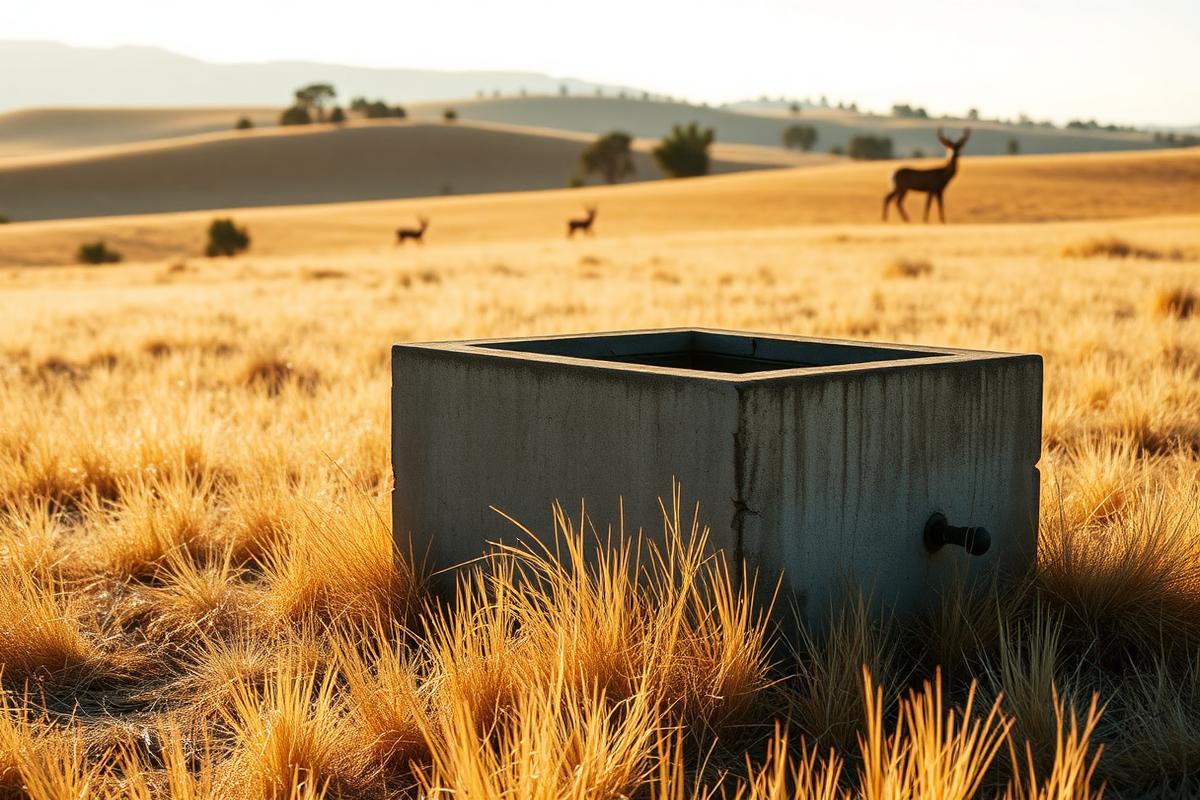
As I crested the third field, with the cows on my left, I scanned the landscape. Then I heard movement. A herd of deer, swishing their white stub tails, moved cautiously through the landscape to my right.
This was where the truck had to stop and where my feet would take over. I stepped out of the truck and touched the dry grass with my fingertips, trying to sense where my path would lead next. I was searching for what one rancher had described as a small depression, a slight change in the land, perhaps a hint of moisture where water had once flowed.
To most people, it may have looked like nothing more than a subtle feature in the landscape. But I knew this area had a story. This was a place that needed to be opened back up to grazing but had not been accessible for years. The implications of rebuilding the spring box were enormous, and I had it in my mind that I would be the sleuth to crack the code and uncover what had been lost.
I will jump ahead three days. Sore legs, biting flies, scratches from stumbles and falls, and the challenges of crossing the terrain were all worth it.
I had finally found what I was looking for.
It was a little different from where the maps had shown it and slightly different from where the rancher had remembered. He had told me his father said it used to be there when he was a boy. But there it was, worn down by time yet still beautiful. A small spring box, a forgotten piece of history, and a miniature oasis hidden in a dry landscape.
That discovery became much more than finding an old water source. It became a journey through history, time, and place.
Across Santa Clara County Parks, there are hidden pieces of history embedded in the landscape. Old spring boxes are among these forgotten resources, quietly marking the connection between water, agriculture, wildlife, and generations of land management.
Finding and restoring these historic water systems requires curiosity, investigation, and respect for the stories held within the land. Old maps, historic records, conversations with longtime grazers, and walking the landscape itself all become clues. The landscape tells a story if we take the time to listen.
Many of these spring boxes were built 75 or even 100 years ago. They were not new developments. They were existing historic features created to support ranching and grazing operations. Restoring them is not about creating something new. It is about bringing an existing resource back into service while respecting modern environmental protections and permitting requirements.
Recognizing these projects as restoration efforts can help create a more efficient permitting process while still protecting natural and cultural resources. Maintaining historic spring boxes preserves the history of the land while providing practical benefits for today's park management.
Supporting Sustainable Grazing and Ecological Stewardship
The restoration of a spring box can have impacts far beyond the water source itself. A working spring box can open opportunities to manage additional grazing areas that may otherwise remain unavailable.
Rangeland grazing can be one of the most effective tools for maintaining native grasslands and managing vegetation, especially on steep hillsides where mowing equipment cannot safely operate and where other vegetation management methods are difficult or impossible.
In these challenging landscapes, grazing can provide a practical and ecologically appropriate way to manage vegetation while preserving the character of open grasslands.
Properly managed grazing can help maintain native grassland ecosystems, reduce excessive vegetation growth, support wildfire preparedness, and protect landscapes that are difficult to access with mechanical equipment.
Grazing is not the answer for every location, but in the right circumstances it is an important land management tool. A reliable water source can make responsible grazing possible in places where it otherwise could not occur.
The Importance of Collaboration and Design
The restoration of a spring box is not just a construction project. It is a collaboration between history, ecology, engineering, and thoughtful design.
Working with a landscape architect to understand the site, develop a vision, and create a detailed scope of work was one of the most rewarding parts of the process. It demonstrated how careful planning can honor the past while creating solutions for the future.
The project became an example of how small, overlooked features can have significant implications for land stewardship.
Preserving the Past to Support the Future
The discovery and restoration of historic spring boxes represent an important approach to managing Santa Clara County Parks. Protecting these resources means recognizing that the landscape already contains many of the tools needed to address today's challenges.
By restoring historic water systems, maintaining responsible grazing opportunities, and respecting the stories held within the land, we can preserve both ecological health and cultural history.
Sometimes the most important discoveries are not new ideas. Sometimes they are old solutions waiting beneath the surface, hidden in the landscape, waiting for someone to find them.