The Arborist as Translator
Half of this job is technical. The other half is translating between engineers, landscape architects, planners, homeowners, and a tree that cannot speak for itself.
Kyle D. Peczkowski
Board Certified Master Arborist & Urban Forester
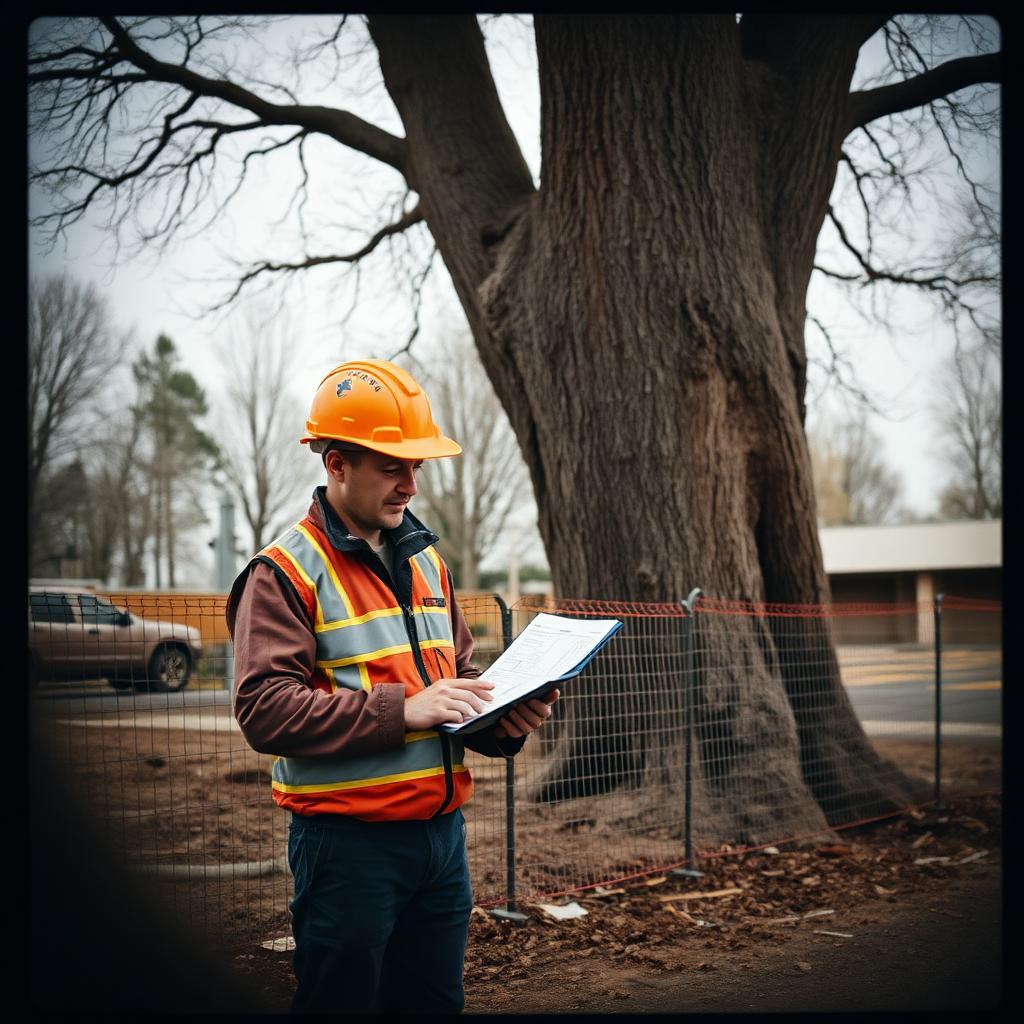
In any given week I will have a conversation with a civil engineer about root protection zones, a landscape architect about mature-canopy substitutions, a planner about setback exceptions, and a homeowner about whether the tree in their yard is going to fall on the house.
Each of those conversations uses a different vocabulary for the same physical object. The engineer sees a structural constraint. The architect sees a design element. The planner sees a zoning condition. The homeowner sees a risk, or a memory, or both.
None of them are wrong. All of them are incomplete. The arborist's job is to hold the tree in view for people whose professions require them to see only part of it, and to translate between the parts.
That means learning enough of each dialect to be trusted in the room. It means never using arboriculture jargon when a plain sentence will do. It means, sometimes, saying the same thing five different ways in the same meeting so that everyone leaves with the same understanding of what the tree needs.
The technical training gets you in the door. The translation work is what makes anything actually get built, saved, or planted.