Shaded Fuel Breaks: What's Working?
Shaded fuel breaks are not clearcuts in disguise. The ones that work reduce fire intensity while keeping the canopy, the soil, and the wildlife habitat intact.
Kyle D. Peczkowski
Board Certified Master Arborist & Urban Forester
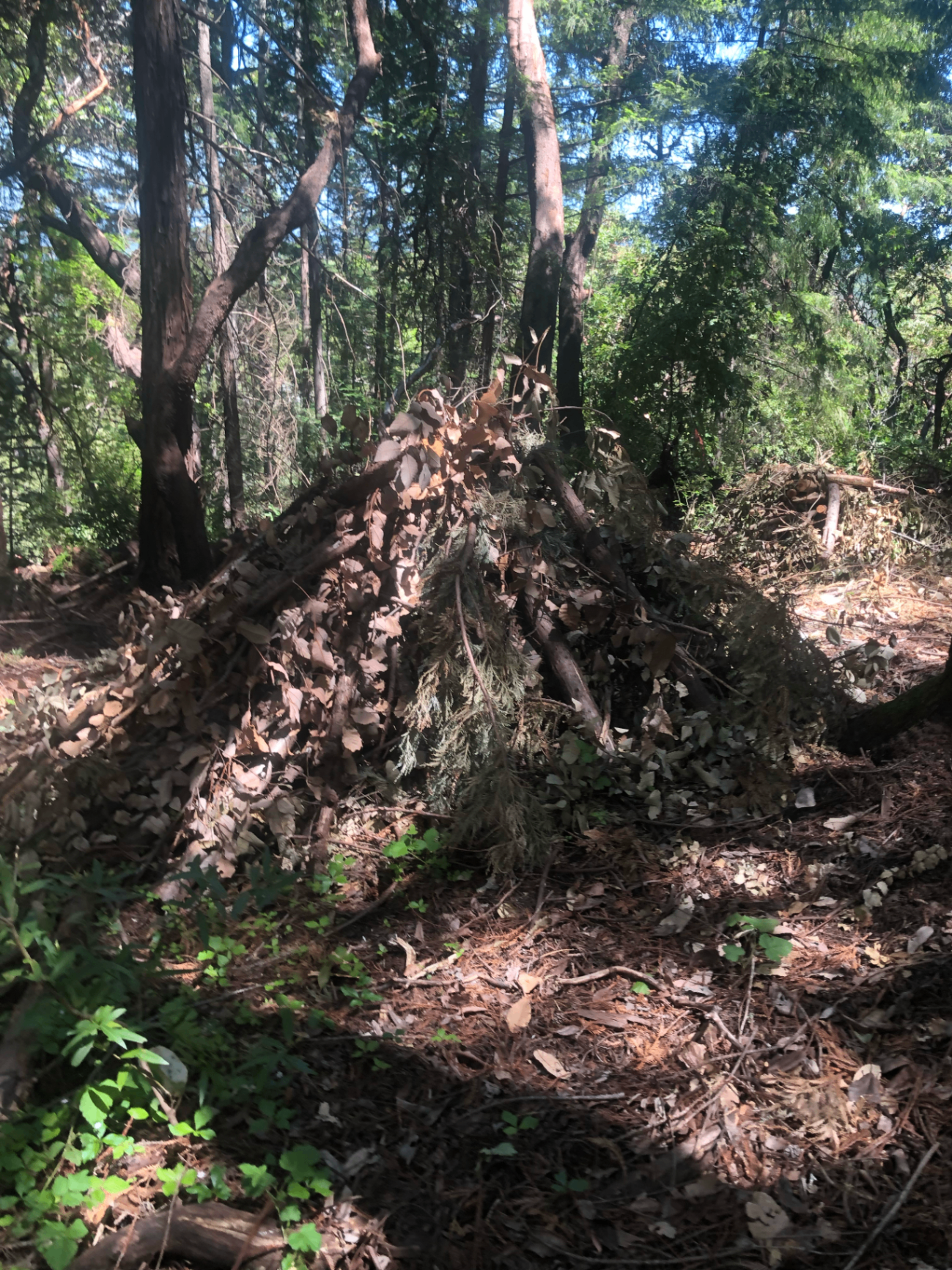
After the last round of catastrophic wildfires, every agency in California started talking about shaded fuel breaks. The concept is simple: thin the understory and lower branches of a forest or woodland to reduce the ladder fuels that carry ground fire into the canopy, while keeping the overstory intact so the site still functions as forest. The execution is where things go wrong.
The most common failure is over-thinning. A contractor interprets 'reduce fuel loading' as 'remove everything small,' and the result is a park-like opening that looks safe but is now exposed to wind, sun, and invasive annual grasses. The oaks that were supposed to be protected are stressed by sudden solar exposure. The native shrub layer that held soil and fed birds is gone. The shaded fuel break has become a fuel production zone.
The shaded fuel breaks that work share a different profile. They retain a diverse native understory of fire-adapted shrubs and perennial grasses. They leave the oak canopy connected so it continues to shade the ground, suppress annuals, and maintain humidity. They remove only the ladder fuels: non-native thicket, dead and dying material, and lower branches in the flame zone. The forest still looks like a forest.
Spacing matters. A shaded fuel break is not a linear clearcut. It is a zone, usually one hundred to three hundred feet wide, where fire behavior is modified enough to give firefighters a safe place to work. Inside that zone, the goal is not zero fuel. The goal is fuel that burns at low intensity and does not crown. Some surface fire is acceptable. Crown fire is not.
Maintenance is the other variable that separates working breaks from failed ones. A shaded fuel break is not a one-time treatment. Without follow-up, the thinned understory grows back, invasives move in, and within five to seven years the risk profile is worse than before the treatment. The best programs treat shaded fuel breaks on a rotating cycle and fund that cycle in the base budget, not as a grant-dependent project.
We are also learning that shaded fuel breaks work best when they connect to a larger strategy. A single break in isolation can modify fire behavior locally, but it cannot stop a wind-driven fire. The effective network links breaks to roads, meadows, ridgelines, and previously burned areas so that fire managers have options. The break is one tool in a spatial plan, not a standalone solution.
The social side is just as important as the ecological side. Neighbors need to understand why the forest looks different after treatment. If the messaging is 'we are clearing brush to save homes,' people accept the change. If the messaging is absent, the same treatment reads as destruction. Public trust determines whether shaded fuel breaks expand or get tied up in appeals.
What is working, in short, is a light hand, a long maintenance commitment, native understory retention, and honest public communication. Shaded fuel breaks are not a way to eliminate fire from the landscape. They are a way to make fire manageable enough that both the forest and the communities behind it have a chance.