Solutions for Forestry Services in Unincorporated Santa Clara County
Unincorporated Santa Clara County contains two distinct landscapes—rural wildland communities and urban island neighborhoods—each requiring its own forestry strategy.
Kyle D. Peczkowski
Board Certified Master Arborist & Urban Forester
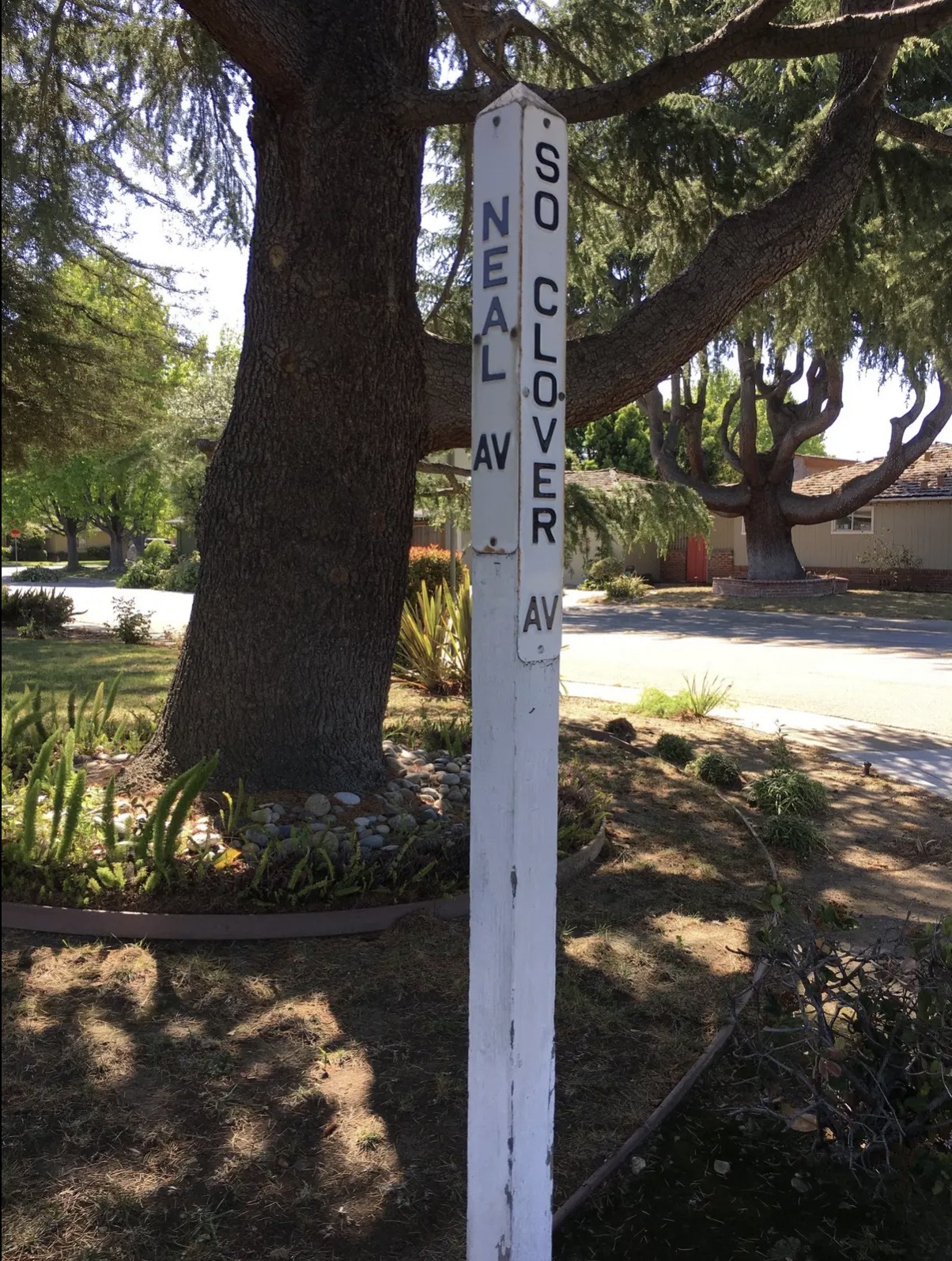
Unincorporated Santa Clara County is not a single type of landscape. It is a complex patchwork of rural roads, open spaces, small communities, agricultural lands, and isolated pockets surrounded by incorporated cities. These areas create a unique challenge for forestry planning because the needs of one unincorporated community may be completely different from another.
The juxtaposition is striking. Some unincorporated areas are rural, forested, and surrounded by natural landscapes where residents live among trees, grasslands, and open space. Other areas are urban islands tucked between cities, where development patterns are dense, streets are heavily paved, and large portions of the landscape are covered by impermeable surfaces such as roads, parking lots, sidewalks, and buildings.
These two types of unincorporated communities require two different forestry strategies.
Rural Unincorporated Areas: Protecting Forests and Wildland Communities
In the rural portions of unincorporated Santa Clara County, forestry services must focus on wildfire resilience, forest health, and long term stewardship. These communities often have larger parcels, native vegetation, steep terrain, and limited access routes.
Solutions in these areas include wildfire fuel reduction and vegetation management, defensible space planning around homes and structures, tree risk assessments and forest health monitoring, rural roadside vegetation management, protection of native habitats and ecosystems, and collaboration with residents, landowners, and fire agencies.
The goal is to create healthier forests that are more resilient to drought, disease, and wildfire while protecting the people who live within these landscapes.
Urban Island Communities: Rebuilding the Tree Canopy
Other unincorporated areas function more like urban neighborhoods than rural landscapes. These communities may exist as islands surrounded by cities, separated from one another by municipal boundaries but connected by shared challenges.
In these areas, forestry solutions must address a different set of concerns. High levels of pavement and limited green space can increase heat, reduce stormwater absorption, and limit opportunities for tree planting and canopy expansion.
Solutions in these communities include expanding urban tree canopy, prioritizing tree planting in heat vulnerable areas, improving streetscape design, managing trees within highly developed environments, creating greener corridors and neighborhood spaces, and addressing stormwater and climate resilience through nature based solutions.
The goal is not only to maintain trees but to use forestry as a tool for improving quality of life, reducing urban heat, and creating healthier communities.
One County, Two Forestry Playbooks
The challenge for unincorporated Santa Clara County is that there is no single forestry model that fits every location. A rural hillside community and an urban island surrounded by pavement may both be classified as unincorporated, but their risks, opportunities, and priorities are fundamentally different.
Effective forestry planning requires recognizing these differences and developing targeted solutions for each landscape type.
Rural areas need strategies focused on wildfire preparedness, forest stewardship, and landscape resilience. Urban island communities need strategies focused on canopy growth, heat reduction, and integration of nature into built environments.
By understanding the tale of these two unincorporated landscapes, Santa Clara County can develop forestry programs that are more responsive, equitable, and effective. The future of forestry depends on matching the right solutions to the right places.