Ground Squirrel Management Requires Stewardship, Not Collateral Damage
After more than 22 years in natural resource management, a reflection on why ground squirrel control must be proportional, science-based, and measured against the health of the ecosystems we are trying to protect.
Kyle D. Peczkowski
Board Certified Master Arborist & Urban Forester
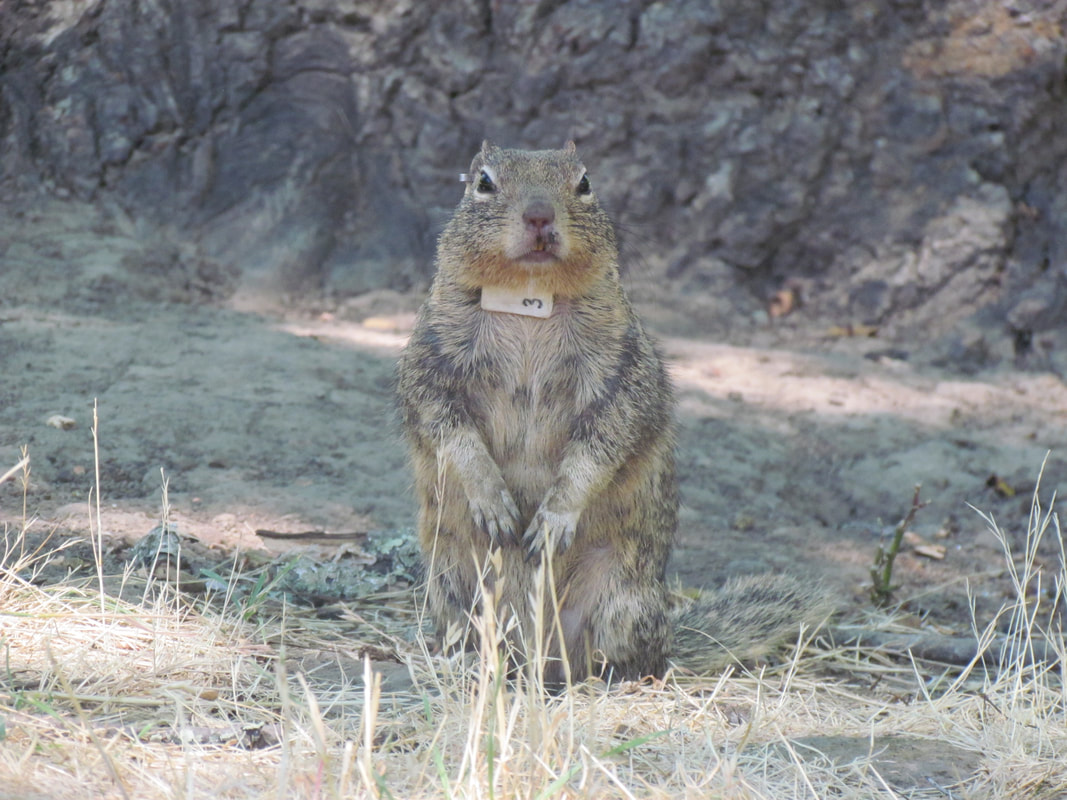
After more than 22 years as a naturalist and working in Integrated Pest Management (IPM), I have seen firsthand the challenges that ground squirrels can create. Few things are more frustrating than watching ground squirrel activity undermine the soil structure around our iconic Valley Oaks, potentially affecting the stability and health of these important trees. Protecting these landscapes is a responsibility we all share.
But responsible land management requires us to look beyond the immediate problem and carefully evaluate the consequences of our actions. The question should never simply be, "How do we eliminate this species?" The question should be, "What is the most effective solution that creates the least harm to the ecosystem we are trying to protect?"
This is the foundation of Integrated Pest Management. IPM recognizes that every management decision has consequences and that control methods must be proportional to the actual problem. We should never choose a treatment where the collateral damage is greater than the damage caused by the species we are attempting to manage.
Chemical applications in ground squirrel burrows should be ruled out, especially in sensitive environments such as riparian zones and areas containing native oak ecosystems. Burrows are not isolated tunnels; they are part of a complex underground community. Soil is alive. Within these systems are microbes, fungi, worms, beetles, insects, spiders, tarantulas, and countless other organisms that maintain soil health, nutrient cycling, and ecosystem function.
When chemicals are introduced into burrow systems, the impact does not stop with the target animal. Non target organisms can be affected, including native reptiles such as lizards and snakes that use burrows for shelter, as well as predators and other wildlife connected through the food web. A method designed to remove one species can unintentionally disrupt an entire ecological community.
This is the kind of unintended consequence that has shaped some of the most important lessons in environmental history. Many of the case studies taught in ecology and natural resource management involve decisions made with a narrow focus that created larger, more complicated problems. We have learned from those mistakes. We should not repeat them.
The challenge is not whether we manage ground squirrels. The challenge is how we manage them responsibly. There are many tools available that deserve continued research and consideration, including habitat modification, exclusion methods, targeted trapping, fertility control approaches, supporting natural predators such as raptors and native snakes, and emerging non chemical techniques such as slurry boxes and other innovative management strategies.
A successful IPM program begins by asking critical questions: What problem are we actually solving? Is there a significant economic or ecological impact? Is the damage severe enough to justify the proposed intervention? Are we addressing a true threat, or are we responding to inconvenience or frustration? Most importantly, is the solution causing more ecological damage than the original problem?
Ground squirrels are part of a larger ecosystem. That does not mean we ignore their impacts, especially where they threaten sensitive resources such as Valley Oaks. It means we recognize that effective management requires balance, science, and humility.
Santa Clara County has an opportunity to demonstrate what modern conservation looks like: management that protects human interests while respecting the complex web of life that sustains our landscapes. The goal should not be eradication at any cost. The goal should be ecological balance.
Protecting our Valley Oaks means protecting the soil beneath them. Protecting the soil means protecting the countless organisms that make healthy ecosystems possible. True stewardship means solving problems without creating new ones.