When a Tree Becomes a Neighbor
The trees that get saved are almost always the ones with a name. A reflection on the strange, useful power of naming the trees we care about.
Kyle D. Peczkowski
Board Certified Master Arborist & Urban Forester
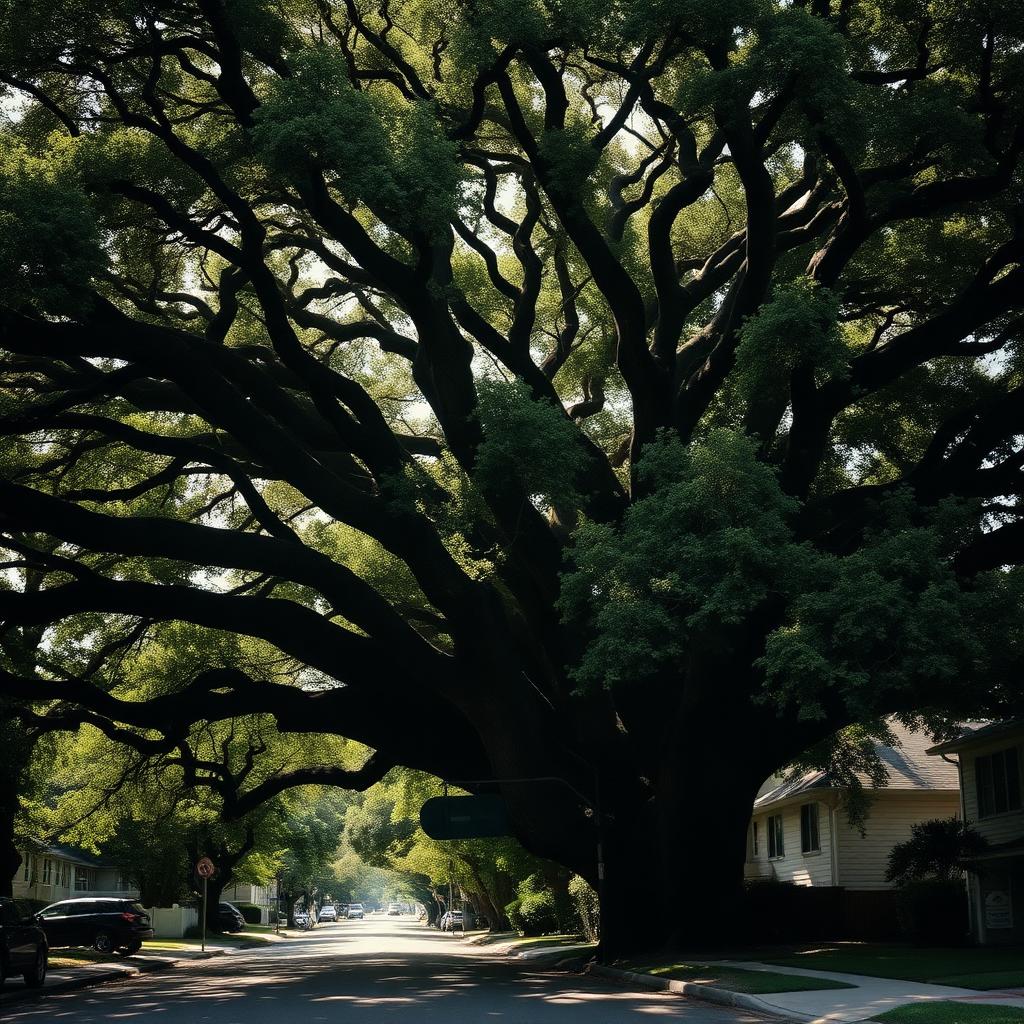
There is a coast live oak on a public right-of-way in San Martin that the neighbors call Grandmother. I have no idea when the name started. It was there when I arrived, and it will outlast me.
Grandmother has been threatened by a road-widening project, a sewer trench, a private driveway extension, and one enthusiastic homeowner with a chainsaw. Every time, the neighbors have shown up. Every time, they have used the name.
You cannot cut down Grandmother. You can cut down a mature specimen of Quercus agrifolia in a public right-of-way, and every arborist reading this has done it. But you cannot cut down Grandmother.
I used to be skeptical of naming trees. It felt sentimental in a field that is supposed to be technical. I am no longer skeptical. A tree with a name has a constituency. A tree with a constituency survives things a nameless tree does not.
If we want a canopy that persists across generations, we have to help the public form the same relationship with the working urban trees that they already have with the famous ones. Naming is a small tool. It is also one of the few that actually works.