On Species Selection in a Warming Climate
The palette that worked for Santa Clara Valley in 1985 will not work in 2050. Choosing tomorrow's street trees means letting go of some old favorites.
Kyle D. Peczkowski
Board Certified Master Arborist & Urban Forester
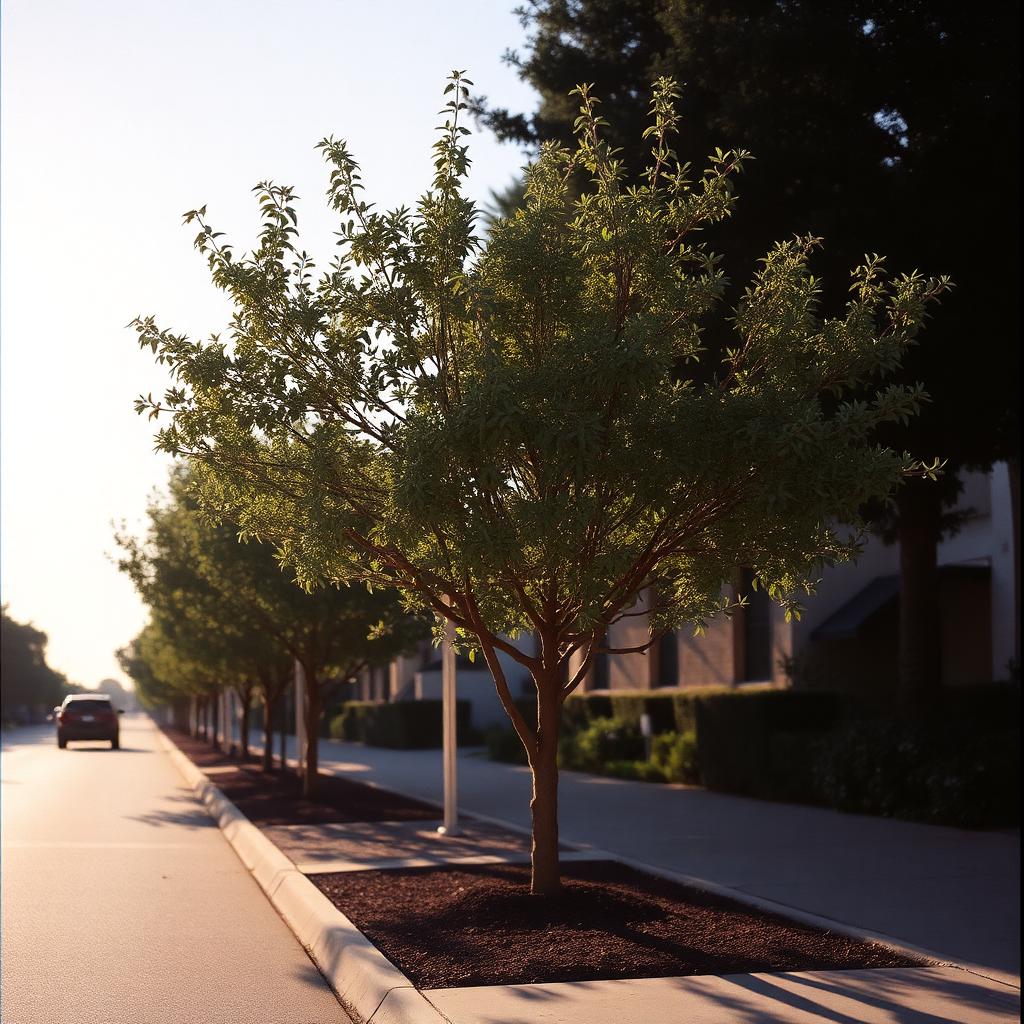
The USDA plant hardiness zone map is a rearview mirror. It tells us what survived the last thirty years, not what will survive the next thirty. For an urban forester specifying trees that need to live sixty to eighty years, that is a problem.
Our current planting list still leans heavily on species assembled for a mid-century California climate: London plane, red maple, liquidambar, tulip tree. Every one of them is now stressed in ways they were not a decade ago — earlier leaf-out, mid-summer scorch, secondary pest pressure, and a shorter useful life on the west-facing streets.
The replacements are not obvious. We are trialing species from Mediterranean climates with similar future rainfall projections: Afghan pine, Chinese pistache, holm oak, native valley and coast live oaks on more sites than we used to. Not all of them will work. That is fine — a planting trial that finds a failure early is a successful trial.
What I try to resist is the temptation to standardize on whatever species is currently doing well. Monocultures are how you lose a canopy in a single pest event. Diversity, even at the cost of some aesthetic messiness on a street tree list, is the only insurance policy we have.
The trees we choose now are a bet on a climate we can only estimate. The best we can do is spread the bet across enough species that some of them are right.