Beavers As Integrated Pest Management
On an early October morning along the Guadalupe River, a beaver family reminded me that restoration is not always about creating something new. Sometimes it is about allowing ancient relationships to return.
Kyle D. Peczkowski
Board Certified Master Arborist & Urban Forester
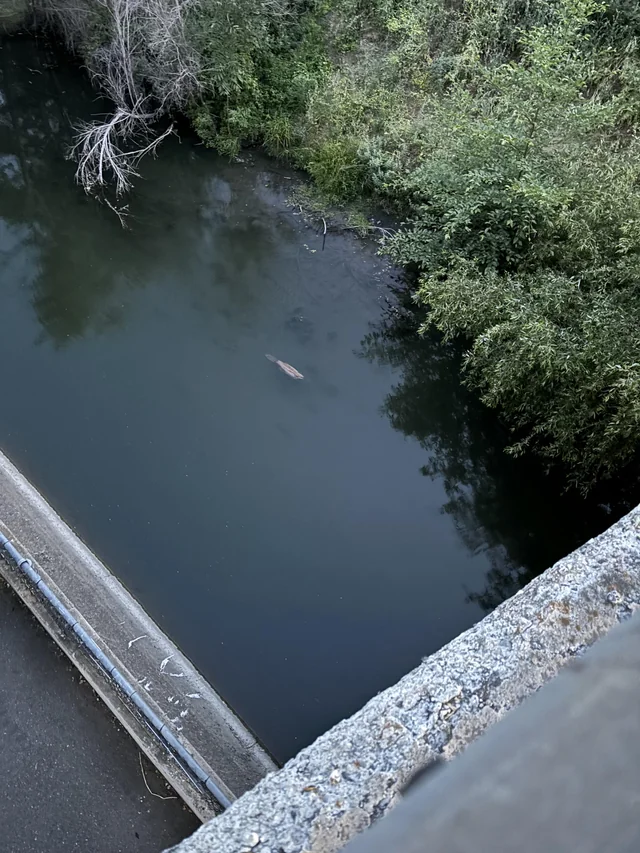
On an early October morning, a mist settled over the valley. The air carried the unmistakable feeling of fall, cool, quiet, and full of change. Along the Guadalupe River, I watched a beaver family begin its daily work.
There was no hesitation. Each animal seemed to know its role. One carried branches. Another shaped the structure. The water moved around their growing creation as they continued a process that has been repeated for thousands of years.
Watching them, I was reminded that their absence from the Santa Clara Valley was only a brief moment in the larger story of this place. For nearly 200 years, beavers were missing from parts of the landscape, but compared with the millennia they had been here, that disappearance was only a pause.
The valley remembered them.
Before roads, buildings, and channelized waterways changed the landscape, beavers were part of the natural systems that shaped the Santa Clara Valley. They were not a problem to solve. They were part of the solution. They were one of nature's original forms of integrated pest management, maintaining balance, creating habitat, and supporting the many species connected to healthy waterways.
As an arborist, I see trees differently than many people do. I understand why people may look at a tree cut by a beaver and assume destruction. But beavers are not simply destroying trees. They are participating in a larger ecological process that has supported forests and waterways for thousands of years.
I love beavers because they understand something we are still learning: trees are not isolated objects. They are part of a living system.
A tree that a beaver uses becomes part of something bigger. It can become a dam, a pond, a wetland, and a foundation for new life. The changes they create can increase habitat diversity, improve water retention, and help support healthier landscapes.
Their knowledge is not written in books or passed through instruction. It is carried through generations of instinct and adaptation. The behaviors needed to survive, where to build, how to work with water, and how to create a safe place for their family, are part of a biological memory shaped over thousands of years.
The beavers I watched that morning were not discovering their role in the ecosystem. They were returning to it.
Beavers are often called ecosystem engineers because they transform the landscape. But to me, they are also teachers. They remind us that restoration is not always about creating something new. Sometimes it is about allowing ancient relationships to return.
Standing there in the autumn mist, watching a beaver family rebuild a piece of the valley, I felt like I was witnessing something much older than any of us.
The beavers were not visitors.
They were home.