Working With an Anthropologist Takes the Project Full Circle
Natural resource projects often fail because they ignore the people who already know the land. Bringing an anthropologist onto the team changed how we listen.
Kyle D. Peczkowski
Board Certified Master Arborist & Urban Forester
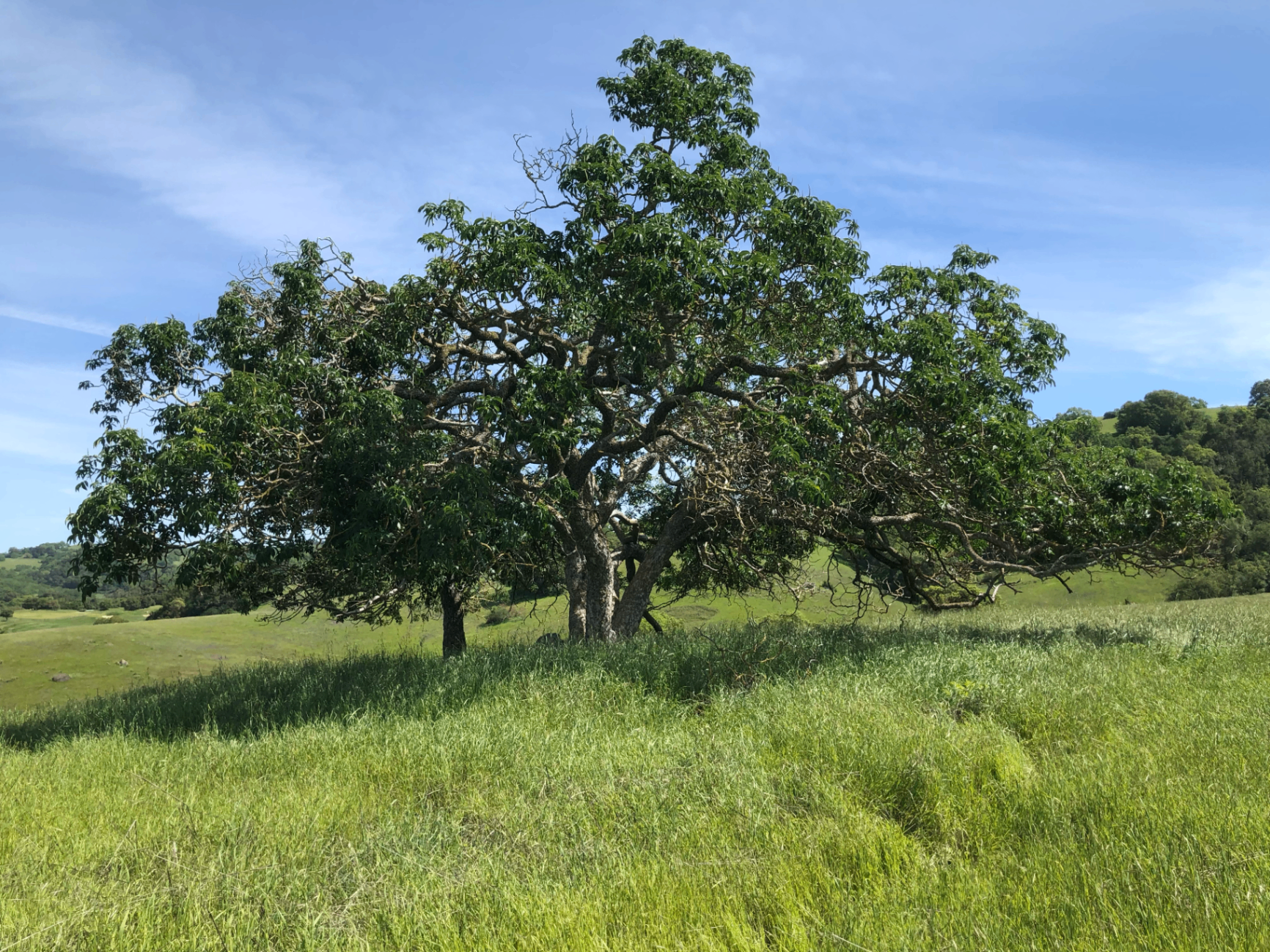
We brought an anthropologist onto a restoration project late, which is the usual way agencies bring social scientists in: after the biology is done, the maps are drawn, and the only question left is how to convince people to like the plan. This time, we did it differently. The anthropologist joined at scoping, before we had decided what to plant, where to fence, or which weeds to target first.
The change was immediate and uncomfortable. We were used to starting with soil, hydrology, and species lists. She started with stories: who gathered acorns here, whose grandparents herded cattle through this oak savanna, which families still walk the creek on weekends, and what names they have for the bends in the channel. None of that showed up in our GIS layers.
What we learned is that the community had been managing parts of the site for generations without calling it restoration. They knew which willow stands came back after floods, where the best mushroom patches were, and which non-native plants the cattle would and would not eat. Some of that knowledge confirmed our ecological surveys. Some of it corrected them. A stand we had mapped as degraded grassland turned out to be a historically maintained gathering area. A section we planned to plant with riparian trees was already regenerating naturally because a neighbor had stopped mowing it.
The anthropologist's real contribution was not the data she collected. It was the process she modeled. She interviewed slowly, returned findings to the community before publishing them, and treated local knowledge as expertise rather than anecdote. That changed the project's relationship with the place. People stopped showing up to meetings to oppose the plan and started showing up to improve it.
There is a professional temptation to see this as soft work — nice to have, but not core to natural resource management. That is backwards. Every project I have seen fail in the long term has failed because the people who live with the land were treated as an audience rather than as co-authors. Restoration without social memory is just landscaping with better intentions.
Working with an anthropologist took the project full circle. The ecological goal was still riparian recovery and invasive control. But the path to that goal ran through memory, relationship, and a much longer definition of what the land is for. The final plan was better science because it was better listening.