Tree Planting Events: When Virtue Signaling Replaces Urban Forestry
Planting a tree is not the goal. Growing that tree into a healthy, mature part of the urban canopy is the goal.
Kyle D. Peczkowski
Board Certified Master Arborist & Urban Forester
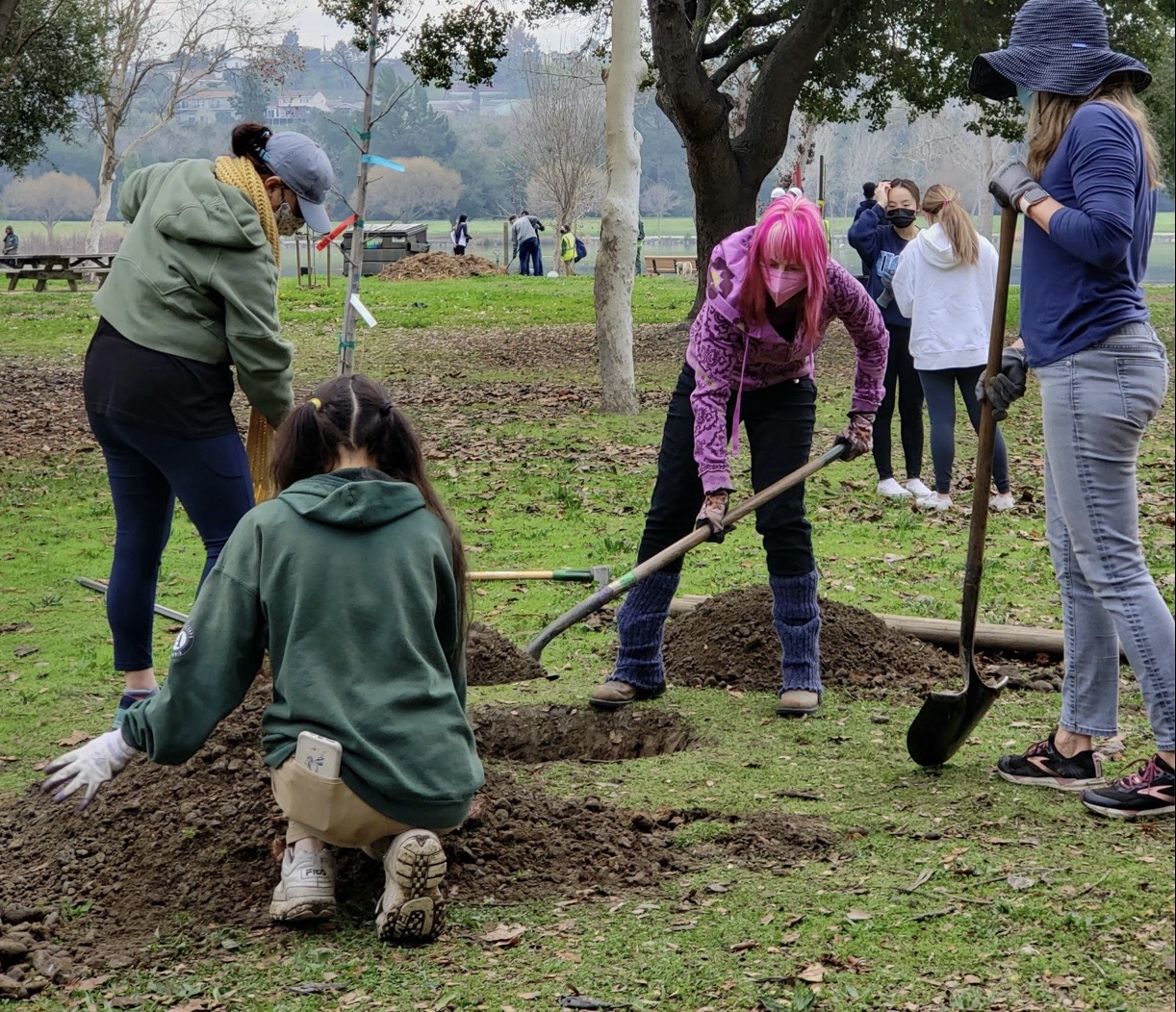
Tree planting events have become symbolic displays of environmental commitment. Volunteers gather for a photo opportunity, plant a preselected tree in a predug hole, and leave believing they have made a lasting difference. While these events generate positive publicity, they often do little to educate the public about what it actually takes to establish and sustain a healthy urban forest.
As a Board Certified Master Arborist, I believe the emphasis has shifted from stewardship to symbolism. Planting a tree is not the goal. Growing that tree into a healthy, mature part of the urban canopy is the goal. Success depends on proper species selection, planting practices, irrigation, pruning, soil management, and decades of ongoing care.
Despite annual planting campaigns, many communities continue to lose mature tree canopy faster than it can be replaced. A young sapling cannot immediately provide the shade, environmental benefits, and resilience of a mature tree. Measuring success by the number of trees planted instead of the number of trees thriving decades later misses the true purpose of urban forestry.
It is time for cities and counties to move beyond virtue signaling and invest in long term urban forest stewardship. That means hiring and supporting urban foresters who understand community outreach, municipal arboriculture, public education, and whole systems thinking. Our communities deserve leaders who are committed not simply to planting trees, but to growing resilient urban forests that will benefit future generations.
The future of our urban forests depends on it.