Planting Day Is the Easy Day
The photos always come from the day the trees go in the ground. The survival rate is decided in the three summers that follow, when the volunteers have gone home.
Kyle D. Peczkowski
Board Certified Master Arborist & Urban Forester
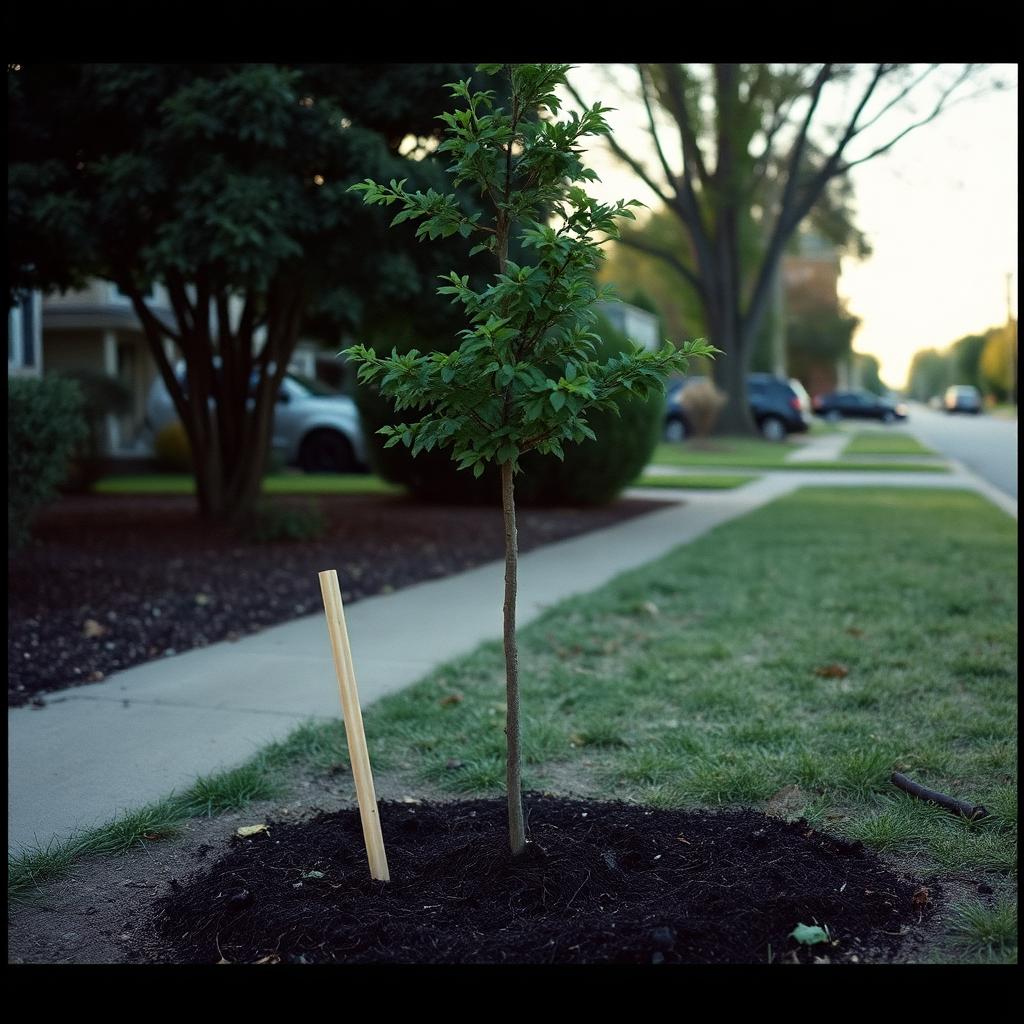
Every community planting event follows the same arc. A grant is announced. A date is set. A hundred volunteers show up in matching t-shirts. Trees go in the ground. A local paper takes a photo. Everyone goes home feeling good, and rightly so.
The next morning is when the actual program begins.
A newly planted tree needs deep, infrequent watering for its first three summers, staking checked and released on schedule, mulch refreshed, and someone paying attention when the drip emitter clogs. None of that is glamorous. None of it fits on a grant deliverable. And it is the entire difference between a 90 percent survival rate and a 30 percent one.
Our current standard is that no planting event goes on the calendar without a three-year maintenance plan already funded, staffed, and assigned to a named person. If we cannot commit to the maintenance, we do not do the planting. The trees deserve better than a photo op.
The dirty secret of urban forestry is that planting is the cheap part. Establishment is the expensive part. Grant programs that fund one without the other are not helping the canopy — they are producing a lot of dead stakes.